
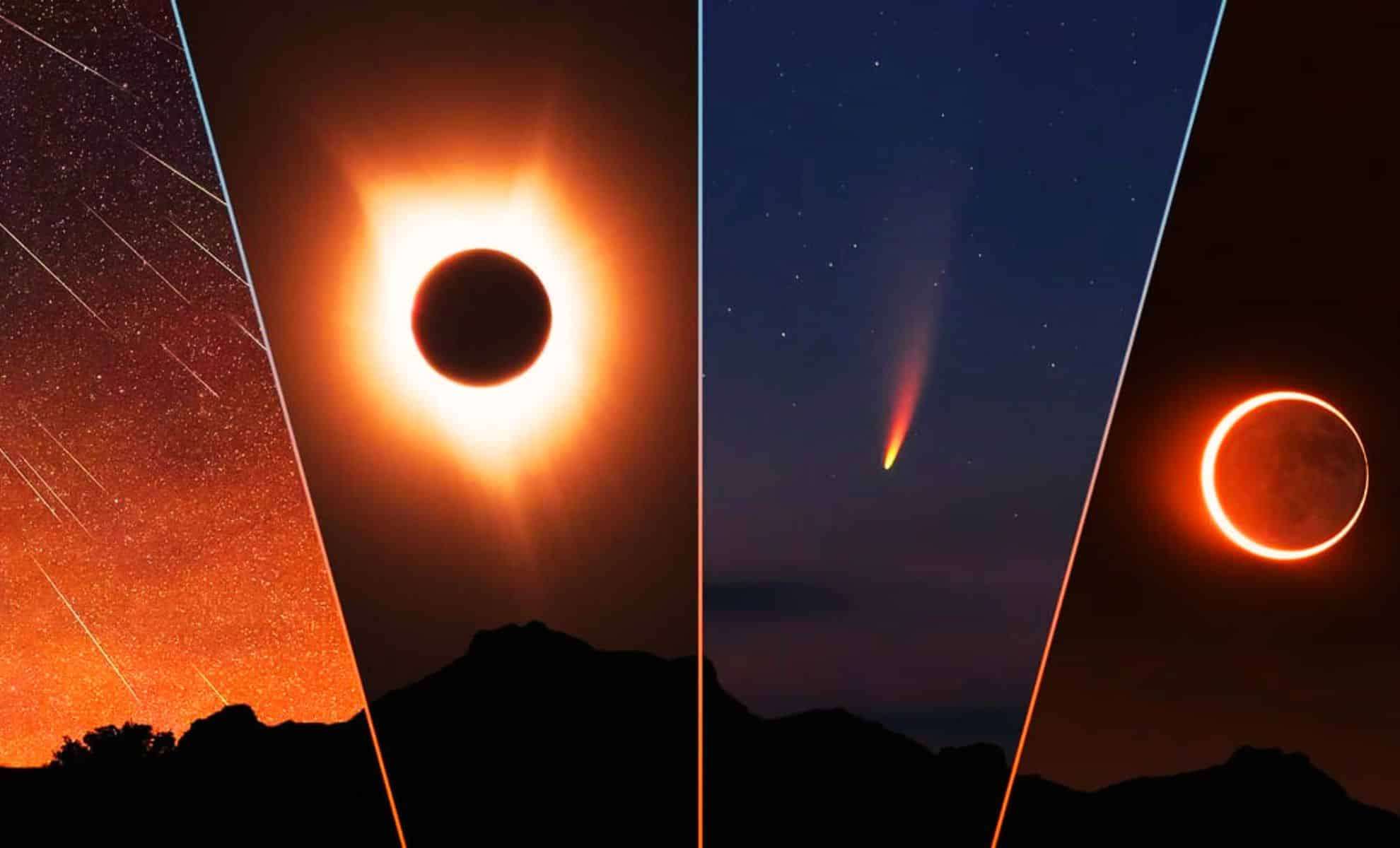
July 2024 will treat astronomy enthusiasts to a rich selection of nighttime phenomena, with stunning views of the Milky Way, rare lunar star occultations, and captivating planetary alignments. Here's your comprehensive guide to navigating the month’s cosmic highlights.
Thin Crescent Moon Near Mars
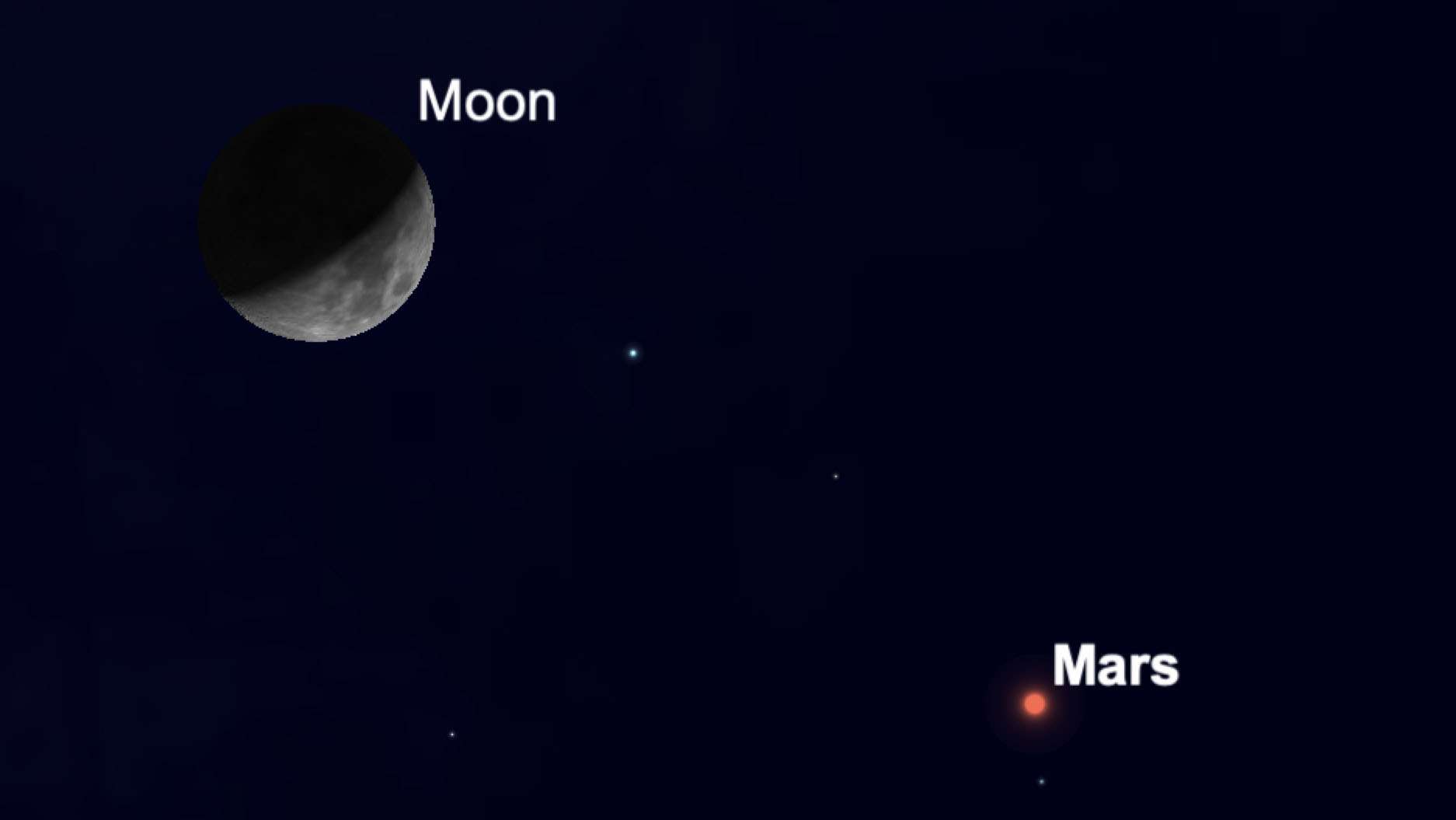
On the morning of July 1, early birds can catch a striking sight: a slender crescent moon positioned just above Mars. Mars will emerge in the east-northeast sky near 2:00 a.m., and by around 4:45 a.m., the delicate crescent will hover just above the fiery planet.
The Adler Planetarium notes that Mars will shine a bit brighter than magnitude 1 in July, steadily intensifying in brightness as the year progresses. This early dawn pairing spotlights the soft lunar glow contrasted against Mars’ distinct reddish tint.

Earth’s Aphelion: Farthest Distance from the Sun
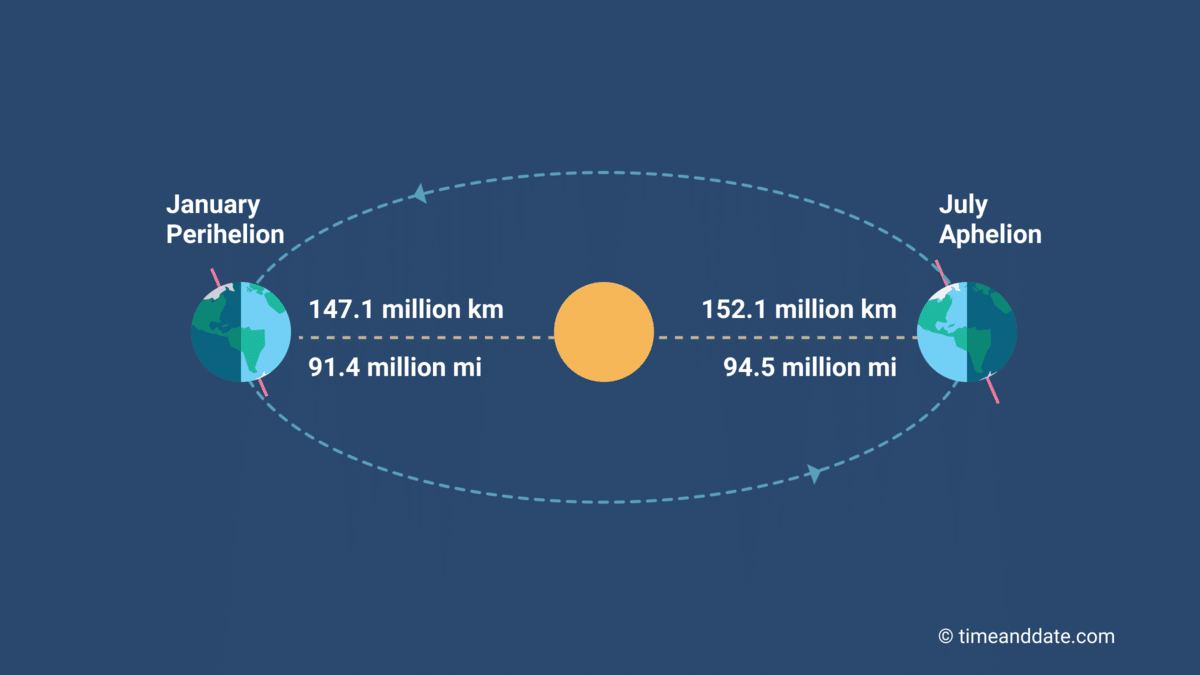
On July 5, Earth will arrive at aphelion — the point in its orbit farthest from the sun. At this time, our planet will be roughly 94.5 million miles away from the sun, about 3 million miles farther than during the closest approach in January.
While this orbital fact does not significantly influence seasonal weather, which is driven by Earth's axial tilt, it offers an intriguing glimpse into the mechanics of planetary motion. Despite the increased distance, northern hemisphere summer continues unabated due to Earth's tilt.
Evening Crescent Moon Displays and Earthshine
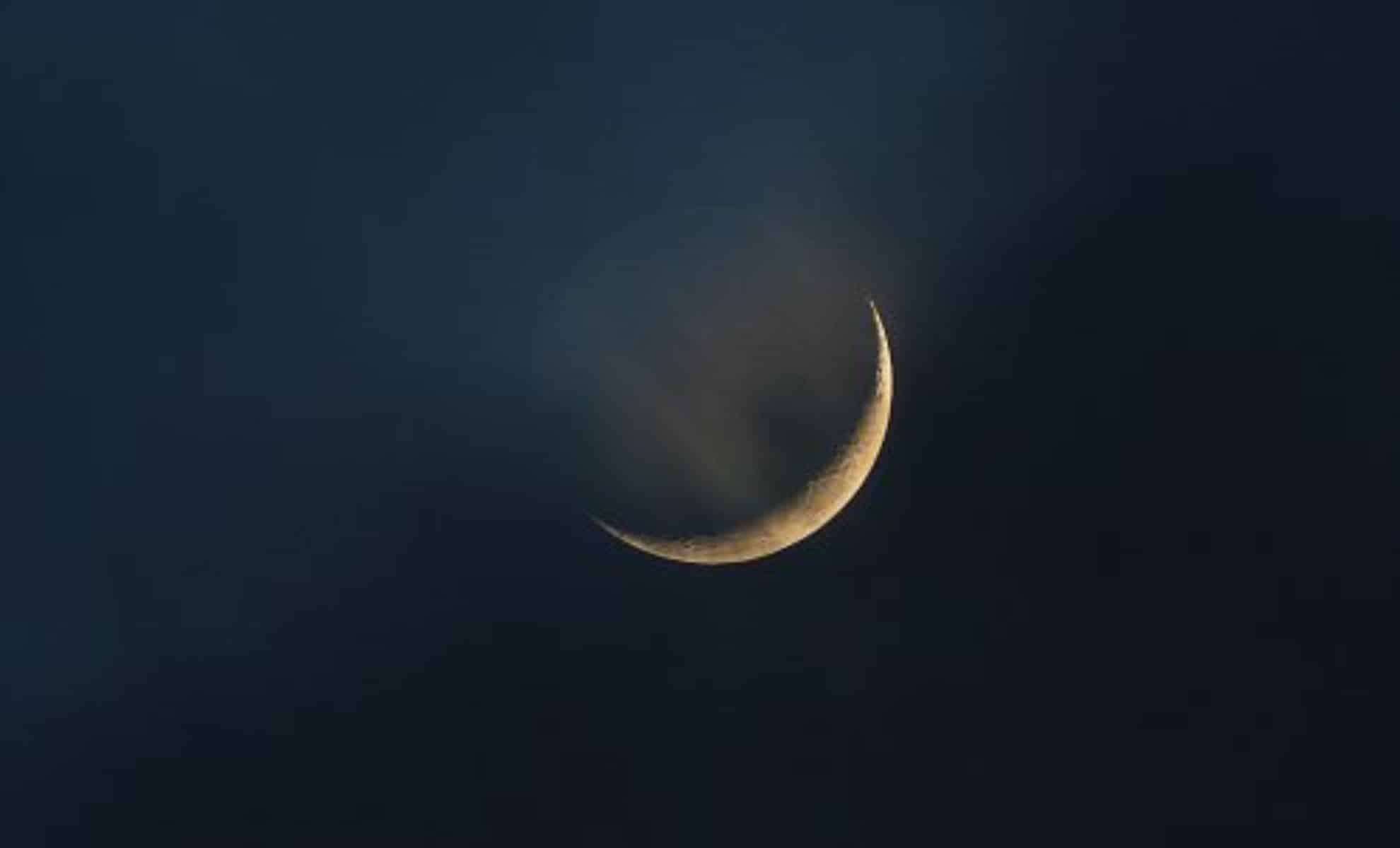
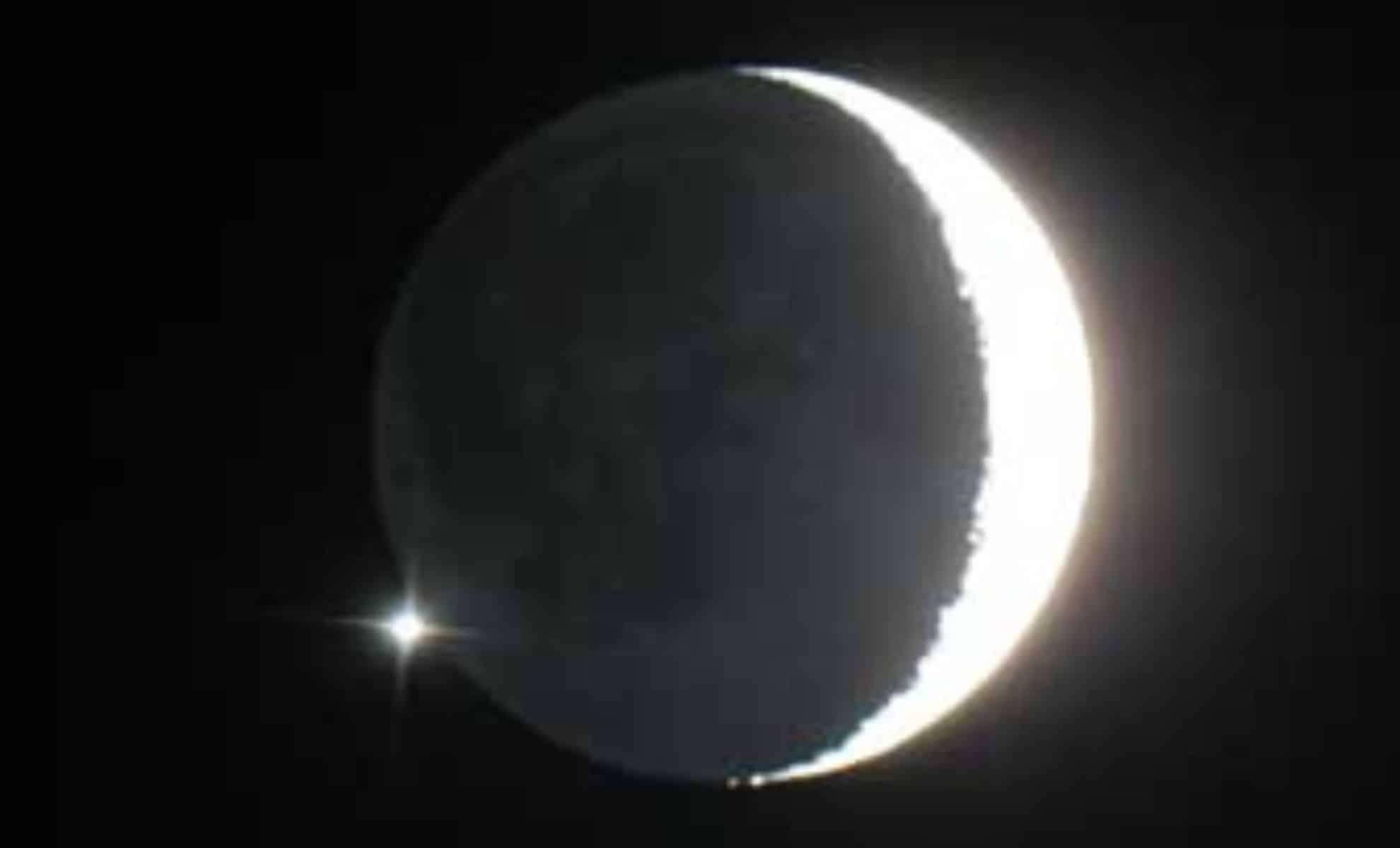
Between July 6 and 9, look westward after sunset to observe a delicate crescent moon. On July 6, only about 1% of the lunar surface will be illuminated, making it a subtle sight best observed with binoculars. On July 7, Mercury will appear just above the moon, creating a captivating celestial duo.
From July 7 through 9, the phenomenon known as “Earthshine” will illuminate the moon’s darkened side. This gentle glow results from sunlight reflecting off Earth's surface back onto the lunar night side, producing a hauntingly beautiful effect.
Optimal Milky Way Viewing
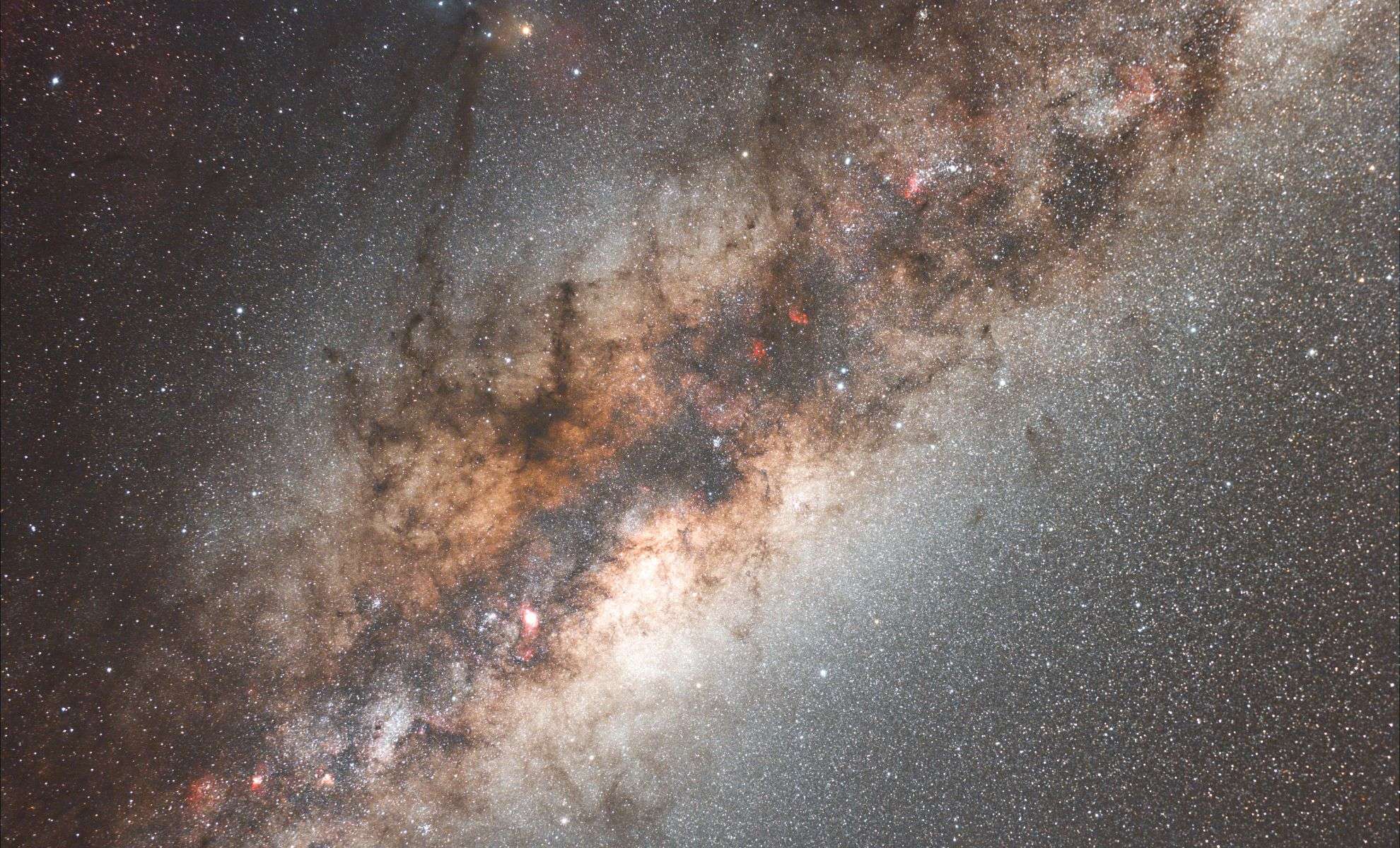
July and August present prime conditions for spotting the Milky Way from northern latitudes. In particular, the first week of July offers an excellent chance to see the galaxy’s bright core in the southeastern sky shortly after sunset.
For the clearest views, select a moonless 10-day period and find a location away from urban light pollution. The dense stellar region of the Milky Way offers a breathtaking cosmic panorama.
Moon Occults Bright Star Spica
On the night spanning July 13 and 14, the moon will pass in front of Spica — Virgo’s brightest star — causing one of the rare lunar occultations visible across North and Central America this year. This first quarter moon will momentarily block Spica’s light, giving observers a unique viewing event.
The timing varies regionally: in the Eastern U.S., Spica will vanish around 11:30 p.m. EDT; the area’s complete occultation occurs near 10:00 p.m. CDT in the Midwest; and in the Northwest, the star will reappear at about 9:00 p.m. MDT. Catching Spica’s disappearance and return behind the moon offers a special astronomical spectacle.
The July Full Moon: The Thunder Moon
The full moon on July 21, often called the Thunder Moon, will shine brightly after sunset. For those seeking the best views, look eastward on the evenings of July 20 and 21 as the moon rises shortly after dark.
Its name derives from the frequent summer thunderstorms that commonly occur during this period. Binoculars will enhance details of the lunar surface, revealing craters and texture as the moon climbs the night sky.
Lunar-Saturn Conjunction
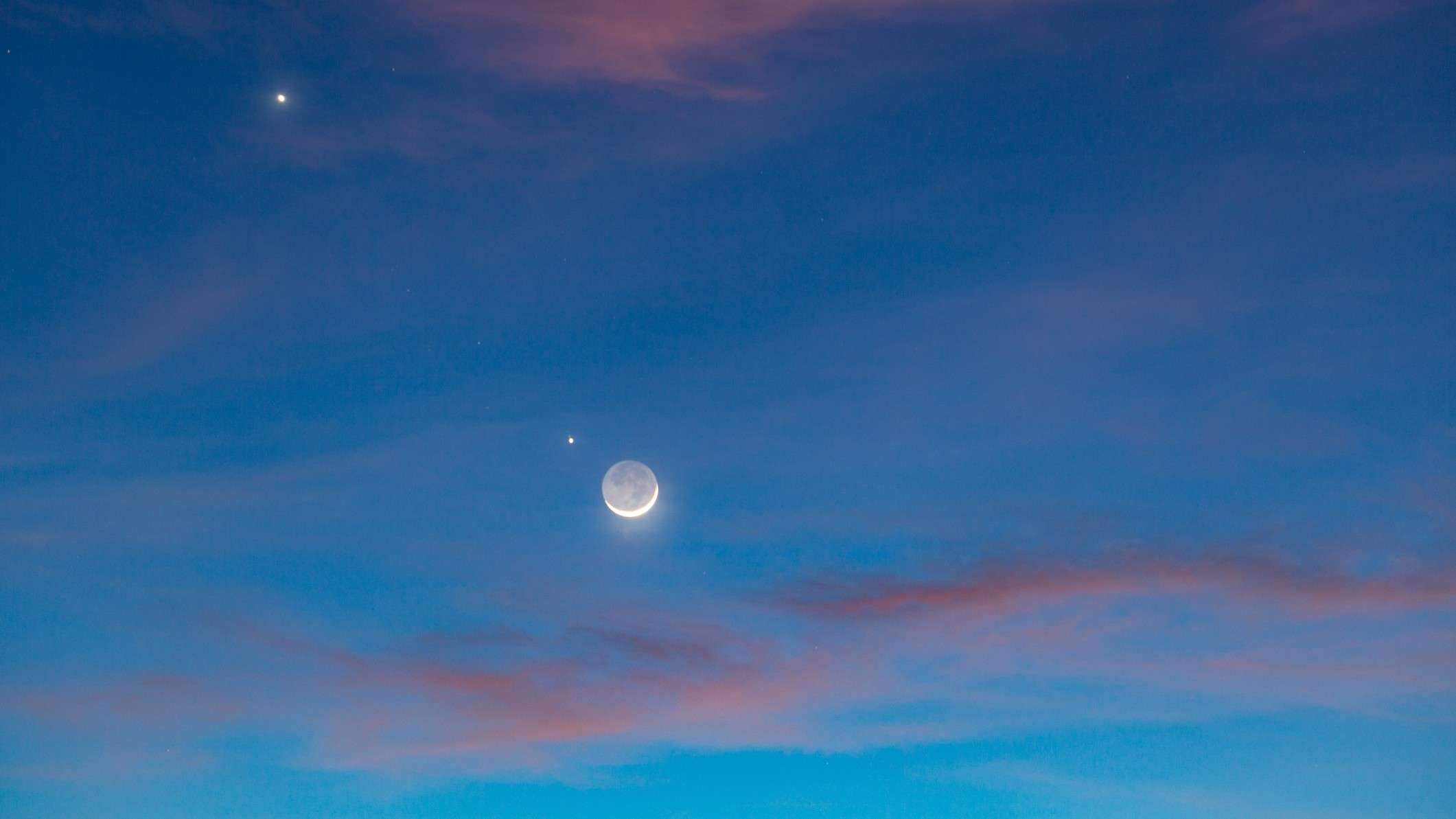
In the evenings of July 23 and 24, skywatchers can spot the moon in close proximity to Saturn in the western sky shortly after sunset. On July 23, a waning gibbous moon lies just above and to the right of Saturn; on July 24, the moon, slightly less illuminated, will appear to the lower left of the ringed planet.
This conjunction allows stargazers with telescopes to observe Saturn’s rings while the moon shares the same field of view. In parts of Asia and Africa, an occultation will take place on July 24, where the moon temporarily blocks Saturn from view, adding to the event’s intrigue.
Delta Aquariids Meteor Shower Peak
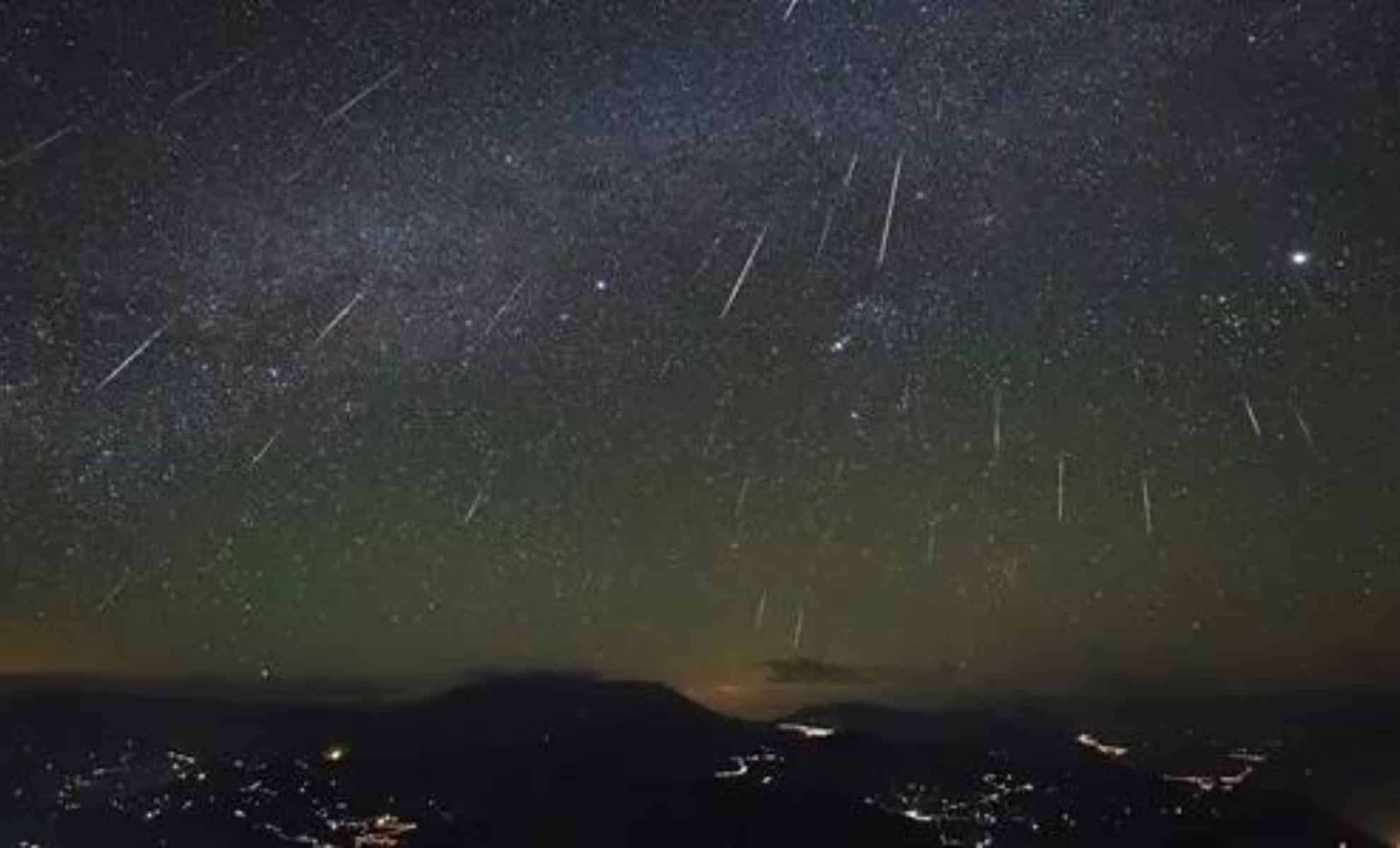
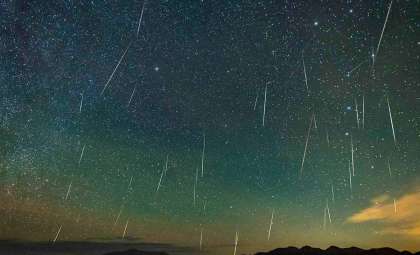
The Delta Aquariids meteor shower will reach its maximum intensity on July 31, lighting up dark skies with 10 to 20 meteors per hour between midnight and 2:00 a.m. This shower originates from debris linked to the 96P/Machholz Complex.
Observers in southern U.S. states, far from urban light, will find the best conditions. Look toward the constellation Aquarius, the radiant point for these meteors. The steady flow of shooting stars offers a serene and captivating display in the early hours before dawn.



0 comments
Sign in to Comment