
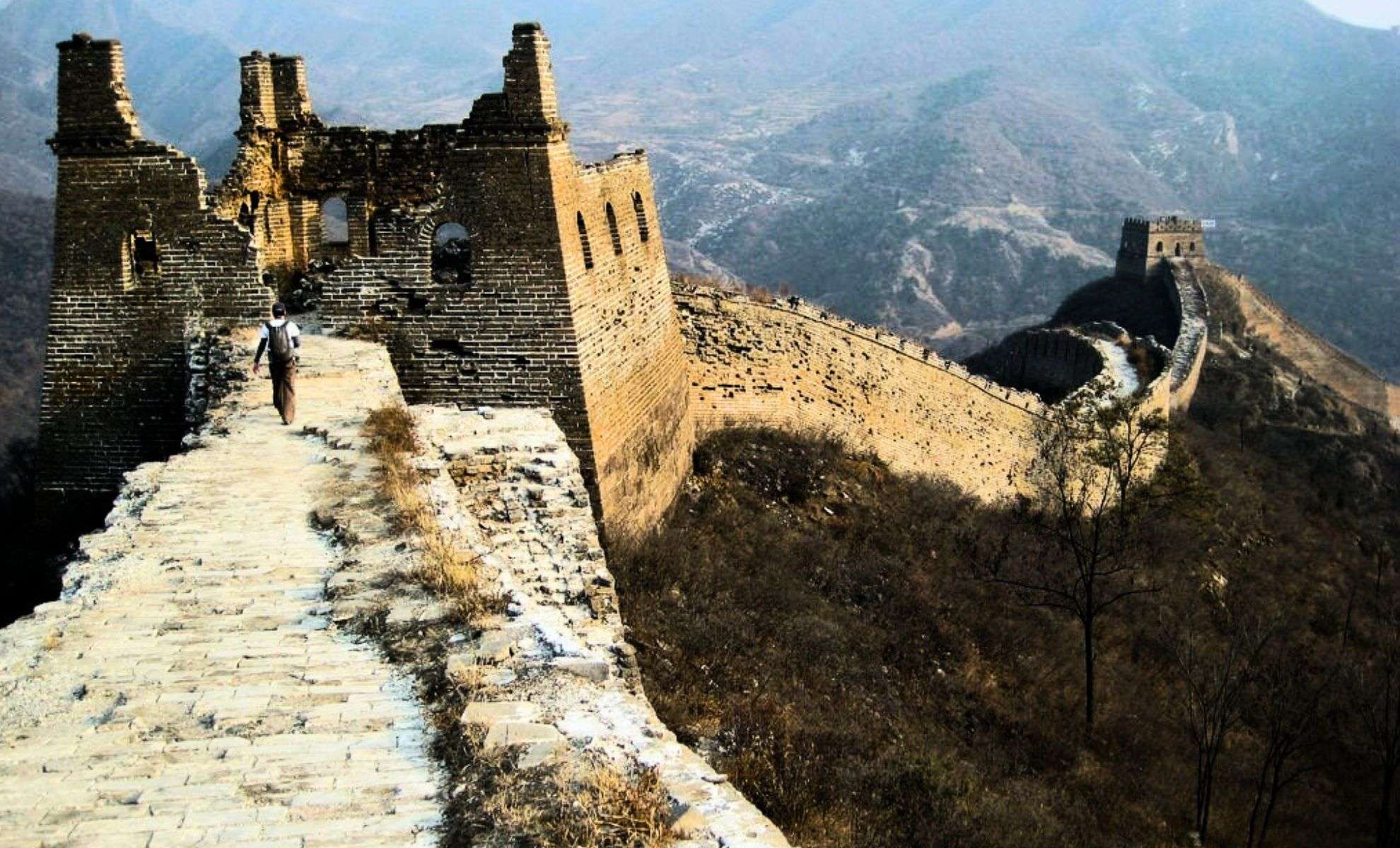
China’s iconic Great Wall has symbolized durability, innovation, and defense for ages. However, recent discoveries suggest that its history might be far older and more complex than previously assumed.
Archaeologists working in Shandong Province have uncovered a section of the Qi Great Wall dating back three centuries earlier than former estimates, rewriting the timeline of this monumental structure.
Unearthing a forgotten legacy that reshapes history
The Qi Great Wall, recognized as China’s earliest known fortified barrier, extends over 641 kilometers across central Shandong and was originally constructed to defend the Qi State from competing realms. Though its importance has been acknowledged for some time, precise details about its origins remained elusive.

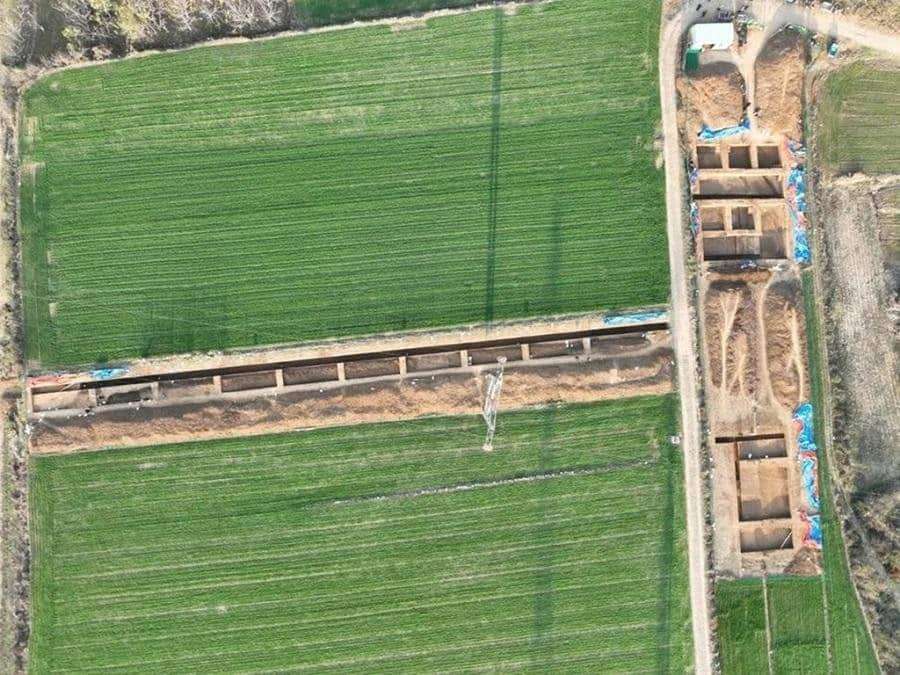
From May to December 2024, a dedicated excavation led by Zhang Su of the Shandong Provincial Institute of Cultural Relics and Archaeology conducted the first deliberate dig at the site. Their findings dramatically alter the accepted historical understanding.
What was once thought to originate in the Warring States Period now has been dated to the earlier Spring and Autumn Period, predating prior estimates by at least 300 years.
This discovery not only pushes back the genesis of China’s Great Wall network but also reveals that advanced military fortifications were developed much earlier in Chinese history than believed.
Ancient military engineering breakthroughs
Evidence revealed multiple stages of construction, illustrating significant advancements in defensive design:
- The earliest walls, dating from the Spring and Autumn era (770–476 BCE), spanned an impressive 10 meters in thickness—an extraordinary achievement for their time.
- During the Warring States Period (475–221 BCE), these fortifications evolved, with walls growing over 30 meters wide, strengthened by compacted yellow earth and metal ramrods.
- The most intact and longest-lasting section, built under King Xuan of Qi (c. 350–301 BCE), reflects sophisticated knowledge of material properties and structural durability.
These findings underscore Qi’s role as a pioneer in military architecture, technologically ahead of its contemporaries by centuries.
Insights into ancient daily life and community
The excavation unearthed more than just walls—beneath the oldest segments lay evidence of long-standing residential areas.
Foundations with rounded corners suggest a vibrant community predating the military fortifications. This challenges earlier assumptions, indicating the wall was established atop existing settlements, not isolated lands, reshaping the lives of the inhabitants.
Further exploration to the north identified the remains of Pingyin City, a critical military stronghold recorded in antiquity. Ancient texts like Zuo Zhuan and the Water Classic Commentary describe Pingyin as a pivotal fortress overseeing logistics and border defense.
Archaeological markers such as trench systems, fortified gateways, and a 500-meter-long city wall confirm a strategic approach by Qi State, extending beyond mere defense to controlling resources and movement.
Transforming our understanding of early Chinese history
Previously scattered studies provided limited insight, but this comprehensive project combined cutting-edge dating methods, phytolith research, and soil analysis to decode the wall’s authentic age and complexity.
The conclusions are undeniable: China’s pioneering Great Wall predates earlier estimates by centuries and played a fundamental role in the formation of early Chinese governance and military strategy.
This groundbreaking revelation contradicts the long-held notion that large-scale fortifications started in the Warring States Period, instead placing their origins well within the Spring and Autumn era, which may have had profound influence on subsequent developments.
The Great Wall has always embodied more than just a physical barrier — it represents vision, strength, and strategic power. Now, its history embarks on a remarkable new chapter.
- Categories:
- News












0 comments
Sign in to Comment