

Emerging research indicates that complex life may have thrived on Earth around 2.1 billion years ago, a timeline far earlier than the widely accepted 635 million-year mark.
Scientists uncovered evidence in the Franceville Basin of Gabon revealing ancient rock formations that imply the existence of life-supportive environmental conditions. Published in Precambrian Research, this study challenges conventional views on the origins of complex organisms.
Identifying Ancient Habitats Suitable for Life
The investigation, spearheaded by Professor Ernest Chi Fru from Cardiff University, revealed geological signs of a nutrient-rich habitat dating back roughly 2.1 billion years in Gabon.

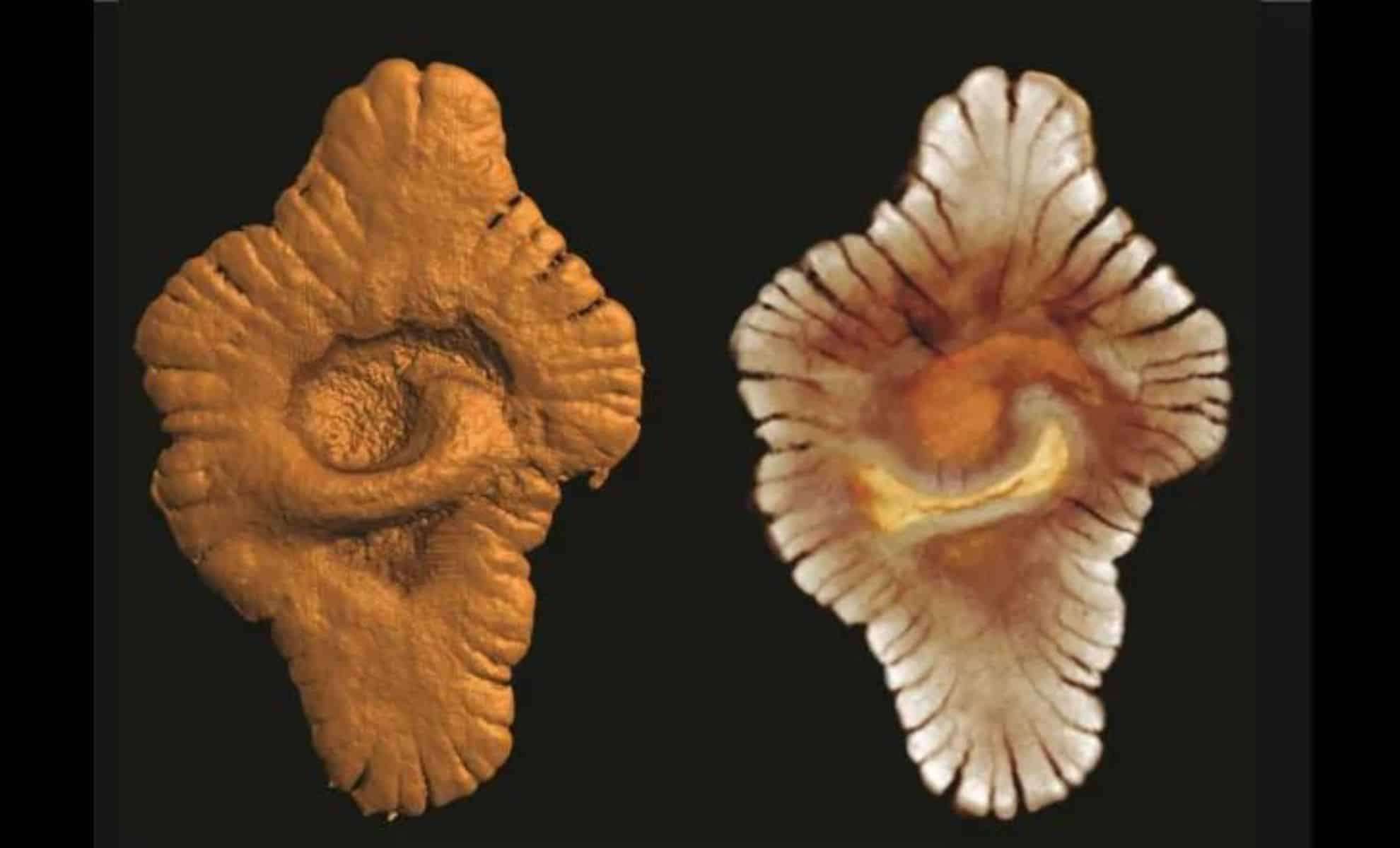
Crucial elements such as oxygen and phosphorus, vital for life, were present, suggesting the environment could sustain early complex organisms.
Professor Chi Fru stated, “Evidence of fossils and oxygen presence suggests the emergence of some of the earliest complex life forms here.” The study proposes these ancient organisms resembled slime molds—single-celled life capable of movement and reproduction—advancing the idea that complex life existed well before previously established dates.
Scientific Discussions on Early Life Emergence
This revised timeline has ignited debates among scientists. Despite its significant implications, some remain cautious about accepting the findings.
Professor Graham Shields of University College London, who was not part of the research team, voiced his doubts.
He commented, “Although elevated nutrients 2.1 billion years ago are plausible, I remain skeptical that this led to a diversification into complex life,” emphasizing the importance of gathering additional thorough evidence. The skepticism centers on whether the Gabon formations represent genuine fossils or simply geological features.
Significance of the Discovery
This discovery suggests complex life might have evolved and later vanished in isolated ecosystems long before the Cambrian explosion, the event currently thought to mark the widespread rise of most major animal groups.
The researchers theorize these early life forms inhabited an inland sea that, as Professor Chi Fru explains, “created a unique setting where cyanobacteria carried out photosynthesis extensively, oxygenating local waters and providing abundant food sources.”
Eventually, this nutrient-abundant habitat became cut off from the larger ocean, leading to resource exhaustion and extinction of these organisms. This may explain why complex life did not establish itself globally until much later.
Ongoing Research Into Earth’s Early Life
The researchers aim to deepen understanding of the environmental factors that triggered both the emergence and disappearance of these ancient life forms. Their work highlights the possibility that the evolution of complex life went through multiple early attempts before becoming firmly established.
Dr. Chi Fru and his team are striving to “better define the environmental parameters responsible for these puzzling fossils.” This continued investigation not only enriches knowledge of Earth’s biological past but also opens new inquiries into the forces shaping life’s development.
As Dr. Chi Fru noted, “Such energy availability would have allowed primitive simple animal-like life forms, like those found in these fossils, to grow larger and display more complex behaviors.”
This fresh viewpoint on Earth’s life history highlights the intricate and dynamic nature of evolution. It pushes scientists to reconsider established timelines and reflect on the potential for early complex life to arise and disappear, offering a richer understanding of our planet’s evolutionary journey.









0 comments
Sign in to Comment