
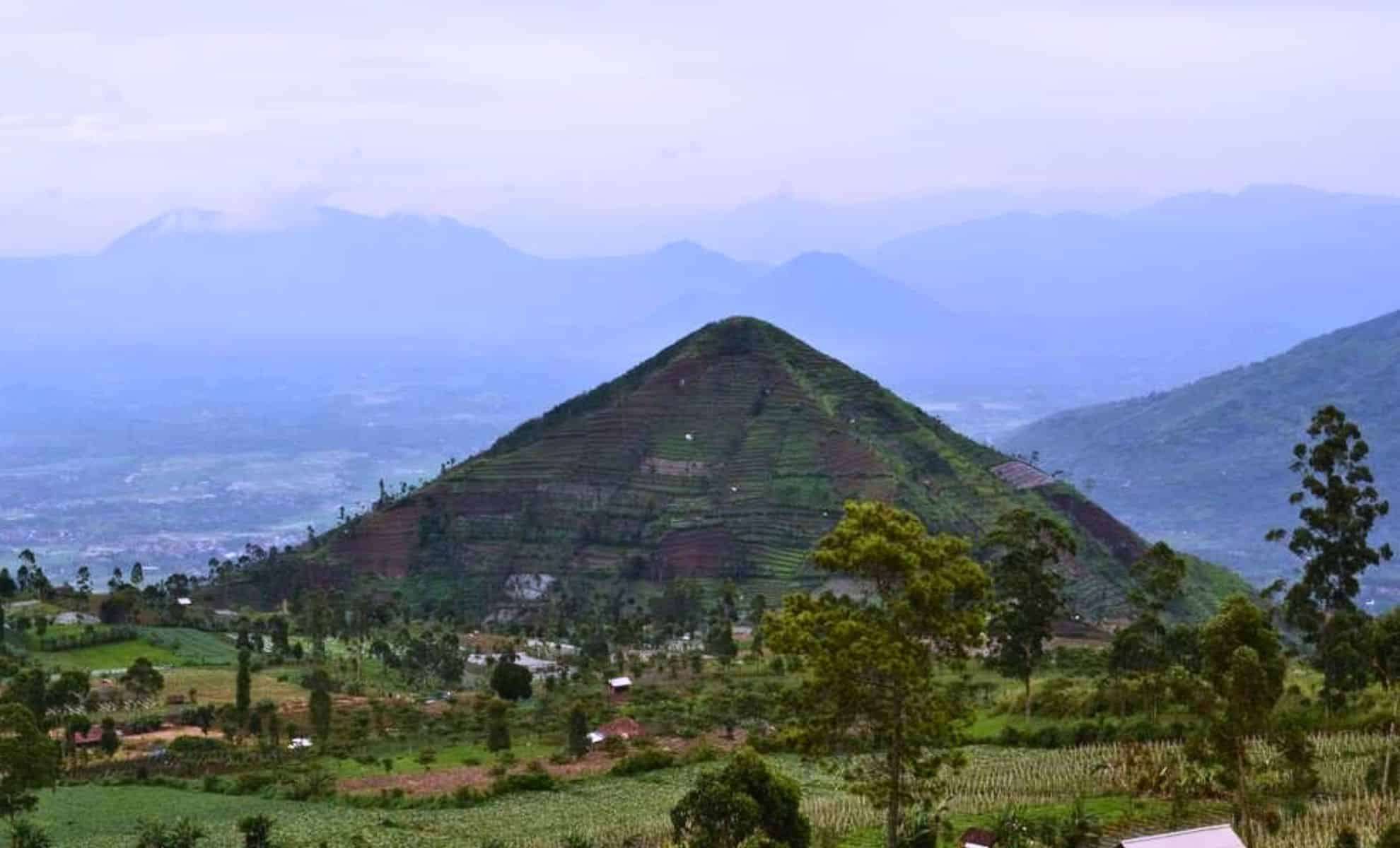
For many years, Egypt’s Djoser Step Pyramid, dating back to approximately 2630 BC, was considered the globe’s oldest pyramid. However, a provocative study published a few years ago suggested that Indonesia’s Gunung Padang site may be far older, potentially predating the Djoser pyramid by tens of thousands of years.
Even more startling, the research proposed that this ancient formation might not have been entirely crafted by human hands.
Could a pyramid date back to the Ice Age?
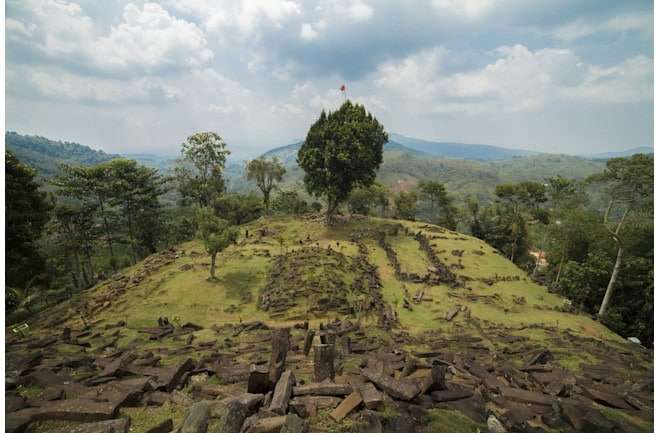
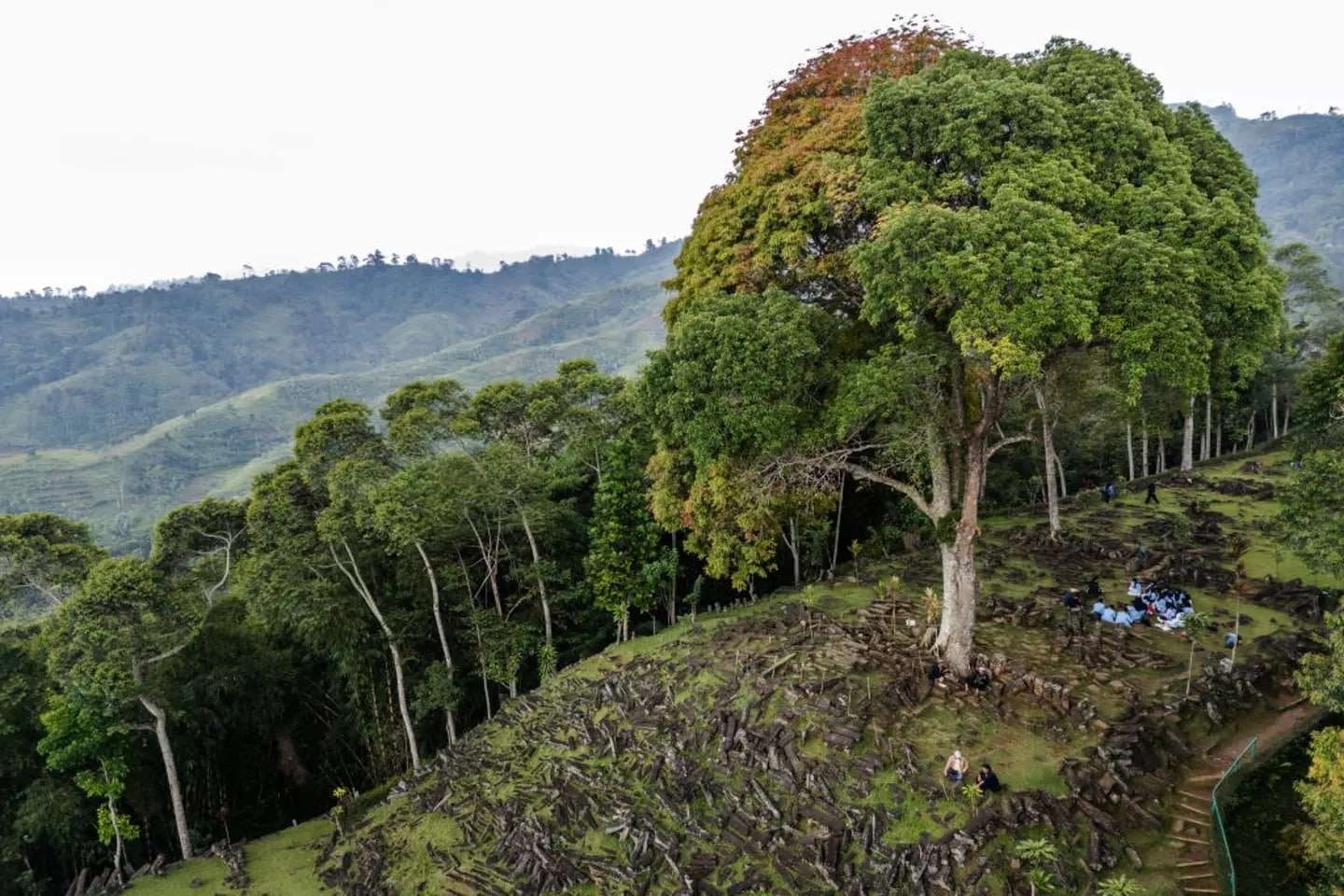
A study featured in Archaeological Prospection argued that Gunung Padang could have been built as early as 25,000 BC—right in the heart of the last Ice Age—challenging the conventional archaeological timeline that places large-scale human construction much later. The researchers suggested that what seems like a natural volcanic hill was actually modified and “architecturally enveloped” over generations.

This hypothesis was supported by deep core sample analyses revealing layered formations beneath the surface, some apparently arranged deliberately. If accurate, this would upend current understanding of advanced stone masonry and question the idea that civilization truly began around 11,000 years ago with agriculture.
Scientific community reacts skeptically
The findings attracted sharp criticism from archaeologists and geophysicists, many of whom argued that the feature is a naturally formed hill rather than an ancient man-made structure. Flint Dibble from Cardiff University vocally rejected the results, remarking:
“Material rolling down a hill is going to, on average, orient itself. There is no evidence of working or anything to indicate that it’s man-made.”
Critics also pointed out a fundamental error in the study: dating soil layers does not directly determine the age of a structure. Archaeologist Bill Farley at Southern Connecticut State University highlighted that the soil samples lacked crucial signs of human activity like charcoal or bone fragments.
Mounting doubts pushed Archaeological Prospection to initiate a formal review of the paper’s data and conclusions.
Retraction shakes the controversy
The journal ultimately withdrew the article, stating that the conclusions drawn were not well-supported by the evidence. They emphasized that the radiocarbon dating did not conclusively prove Gunung Padang to be an artificial construction, delivering a major setback to claims of an ancient Indonesian pyramid.
Despite this, the primary researcher, Professor Danny Hilman Natawidjaja, firmly defended his work, dismissing the retraction as:
“A severe form of censorship, blatantly disregarding the fundamental principles of scientific inquiry, transparency, and fairness in academic discourse.“
Implications for the search for Earth’s earliest monuments
The ongoing controversy surrounding Gunung Padang prompts a wider discussion about early human history. Is it possible that complex societies—and monumental architecture—arose much earlier than traditionally believed? Might there be other lost sites predating well-known structures like Egypt’s pyramids?
For the moment, the Djoser Step Pyramid remains the earliest confirmed pyramid. Yet the quest to uncover humanity’s most ancient achievements continues unabated.
- Categories:
- Science













0 comments
Sign in to Comment