
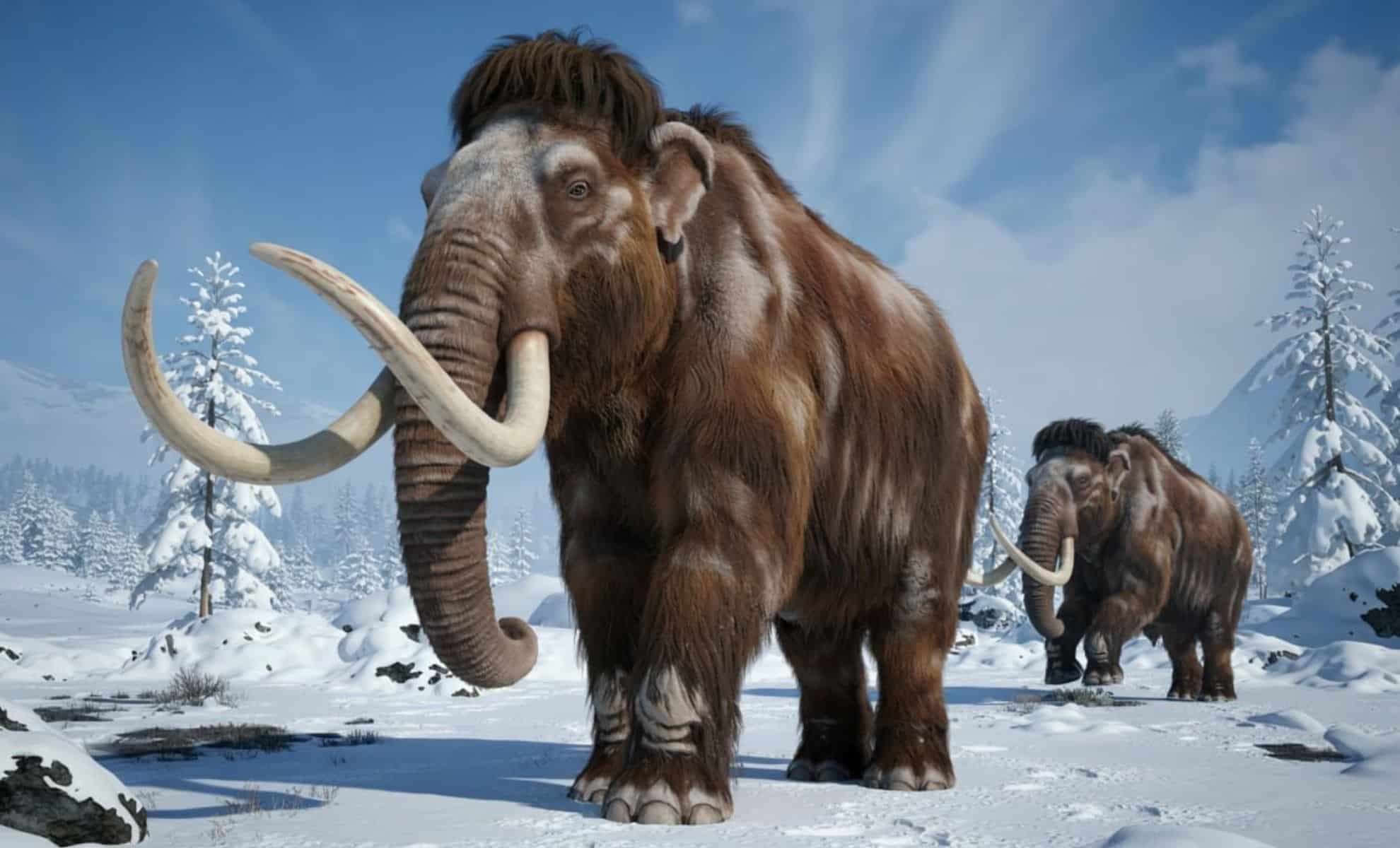
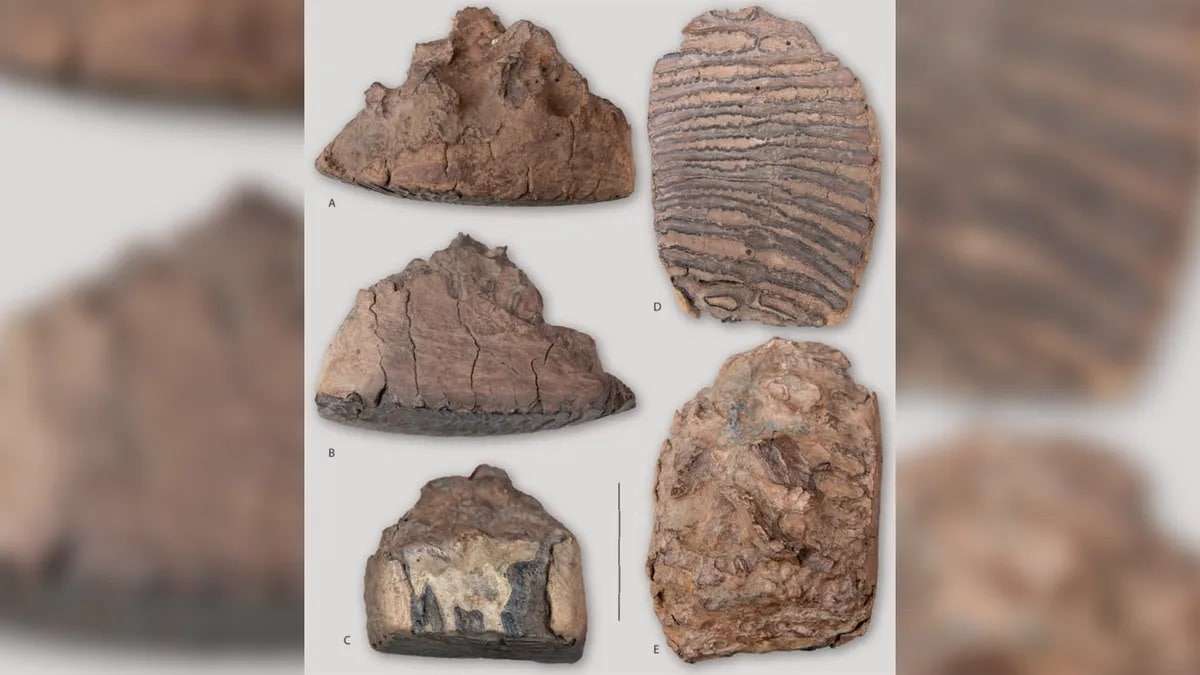
A groundbreaking find in paleontology has transformed our knowledge of woolly mammoths in North America. A tooth dating back 216,000 years, uncovered near the Old Crow River in Canada's Yukon Territory, now holds the record as the continent's oldest woolly mammoth fossil.
A Remarkable Find in the Yukon
This ancient tooth has upended previous assumptions about mammoth migration. It was long accepted that woolly mammoths arrived in North America between approximately 120,000 and 100,000 years ago. Yet, with this new evidence reaching back 216,000 years, it’s clear these majestic creatures set foot on the continent far earlier than once assumed.
This finding calls into question the widely held belief that mammoths crossed the Bering Strait during the last Ice Age. Instead, it points toward a possible migration during a warmer interglacial epoch.

Published in Molecular Biology and Evolution on April 9, a study led by Camilo Chacón-Duque of Stockholm University's Centre for Palaeogenetics highlights the rarity of this fossil’s timing. Many other mammoth fossils of similar age in North America tend to belong to different mammoth species.
“To our knowledge, the Old Crow mammoth is the oldest North American mammoth fossil that can be morphologically identified with confidence as a woolly mammoth,” Chacón-Duque explained.
Innovative DNA-Based Fossil Dating
The extraordinary aspect of this find lies in how the fossil’s age was determined. Researchers employed a state-of-the-art method, termed molecular clock dating, which estimates an artifact's age by examining DNA mutations.
This advanced technique is crucial for specimens older than the 50,000-year limit of conventional radiocarbon dating. By retrieving DNA from the mammoth’s tooth, scientists achieved an impressively precise age assessment, expanding the toolkit for analyzing ancient remains.
The dating approach was refined over months, integrating molecular clock data with geological insights from nearby rock layers. This thorough process yielded an age estimate that perfectly aligned with geological findings, marking a milestone in fossil dating techniques.
Chacón-Duque described the alignment of data as a “eureka moment” where genetic dating matched extant scientific evidence.
Decoding the Genetic History of Woolly Mammoths
Beyond its age, the tooth’s DNA offered remarkable revelations about ancient mammoth genetics. The team identified previously unknown genetic diversity, shedding light on woolly mammoths’ adaptations to varied environmental pressures through millennia.
The researchers traced how mammoths evolved and spread throughout the Northern Hemisphere, responding to climate shifts and ecological changes. The Old Crow mammoth’s DNA is classified as “deep-time DNA,” ranking among the oldest genetic samples ever studied.
While it doesn’t surpass the oldest mammoth DNA from Russia, approximately 1.3 million years old, this sample provides critical insights into the species’ evolutionary pathway and environmental resilience.
Ongoing research into mammoth genetics reveals patterns in population dynamics, showing how climate influenced distribution and diversity. Mammoths often retreated into isolated refuges during warmer periods, expanding again during cold phases like early glacial cycles — painting a vivid portrait of their survival amid Ice Age extremes.
- Categories:
- Science








0 comments
Sign in to Comment