
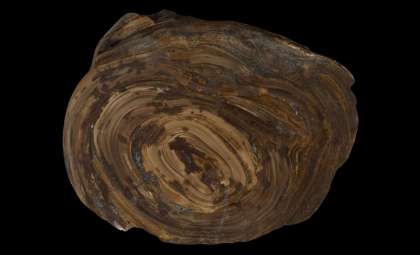
Scientists have unearthed a minute piece of skin estimated to be 290 million years old, originating from a time long before dinosaurs roamed the Earth. As detailed in a study featured in Current Biology, this remarkably preserved sample, smaller than a fingertip, offers an exceptional glimpse into ancient soft tissue rarely found intact after nearly 300 million years.
Remarkable Preservation Conditions in Richards Spur
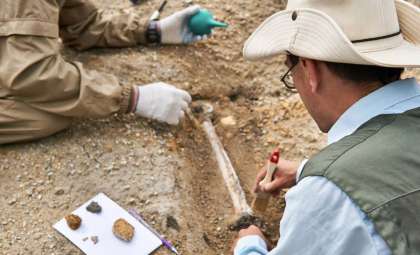
The specimen was found in Richards Spur, a well-known fossil-rich cave located in Oklahoma. This site is unique due to its blend of low oxygen environments, fine-grained sediments, and oil seepage from adjacent shale deposits, all contributing to the outstanding preservation of fossils. As Ethan Mooney, one of the researchers involved, explained, “It’s completely unlike anything we would have expected.”
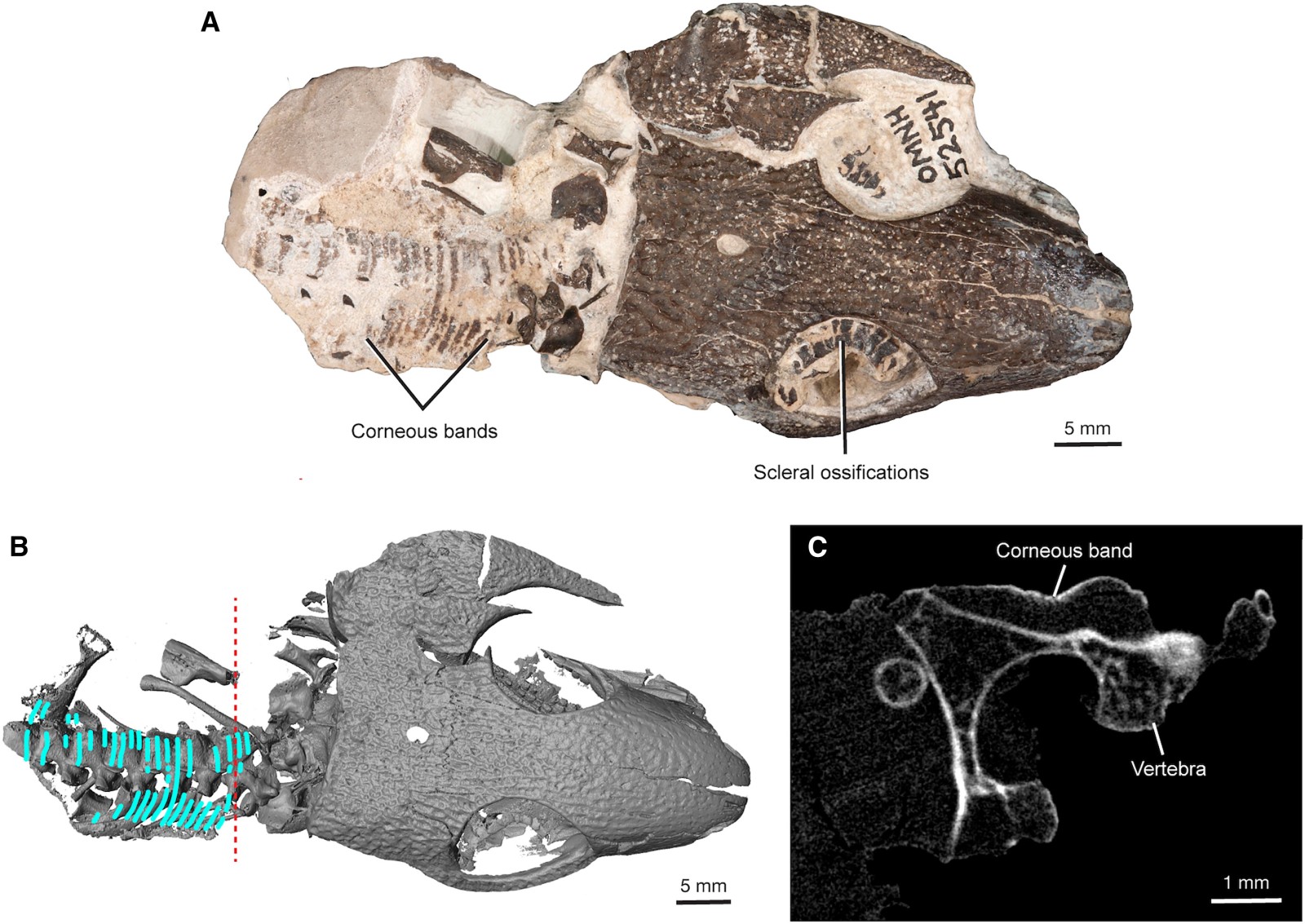
The research paper notes that the skin was discovered in 2018 accompanying other fossils but stands out due to its notable three-dimensional preservation. The presence of petroleum and tar within the cave environment likely helped protect the skin from decomposition over millions of years.

Ancient Reptilian Skin Provides Unique Insights
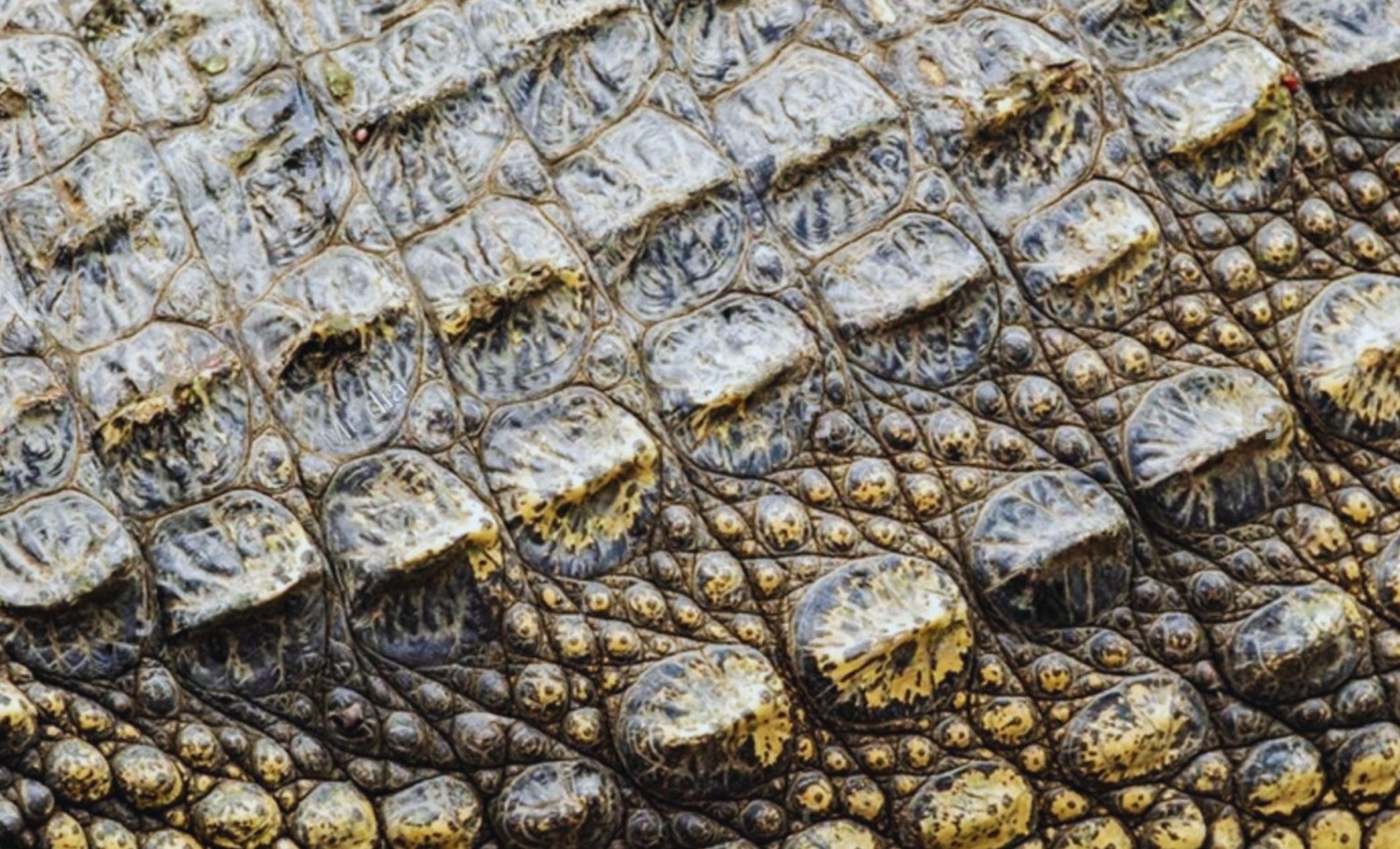
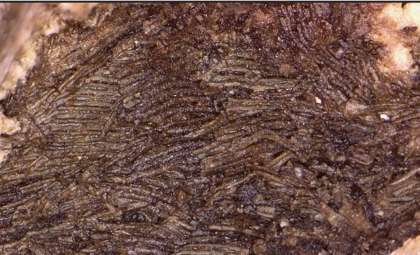
This tiny skin fragment, only a few millimeters across, displays a textured pattern reminiscent of crocodilian skin. Researchers identified areas between the scales that closely resemble those found in modern snakes and lizards, indicating the skin’s important protective function even hundreds of millions of years ago.
The study also uncovered epidermal tissue characteristics typical of amniotes, the group that encompasses reptiles, birds, and mammals. This suggests the skin served as a crucial defense mechanism against environmental stresses. Understanding this helps explain how present-day reptiles endure harsh conditions such as extreme temperatures and physical damage.
While the precise species remains unidentified, scientists propose it may belong to Captorhinus aguti, a Permian reptile previously found in the same cave. This theory is supported by the similarity of the skin’s texture to known features of that species.
“This cave system was also an active oil seepage site during the Permian, and interactions between hydrocarbons in petroleum and tar likely played a key role in preserving this skin,” noted the researchers.
- Categories:
- News




0 comments
Sign in to Comment