
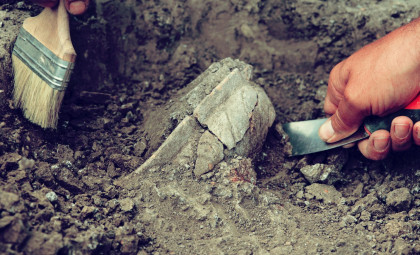
During construction work for a new railway in Sonora, workers uncovered a settlement that dates back over a millennium. Mexico’s National Institute of Anthropology and History (INAH) reported that archaeologists revealed an ancient village predating the well-known Cerro de Trincheras site, along with two significant areas featuring rock engravings. This finding came to light amidst salvage digs related to the Ímuris-Nogales railway bypass, uncovering a community far more extensive than previously assumed.
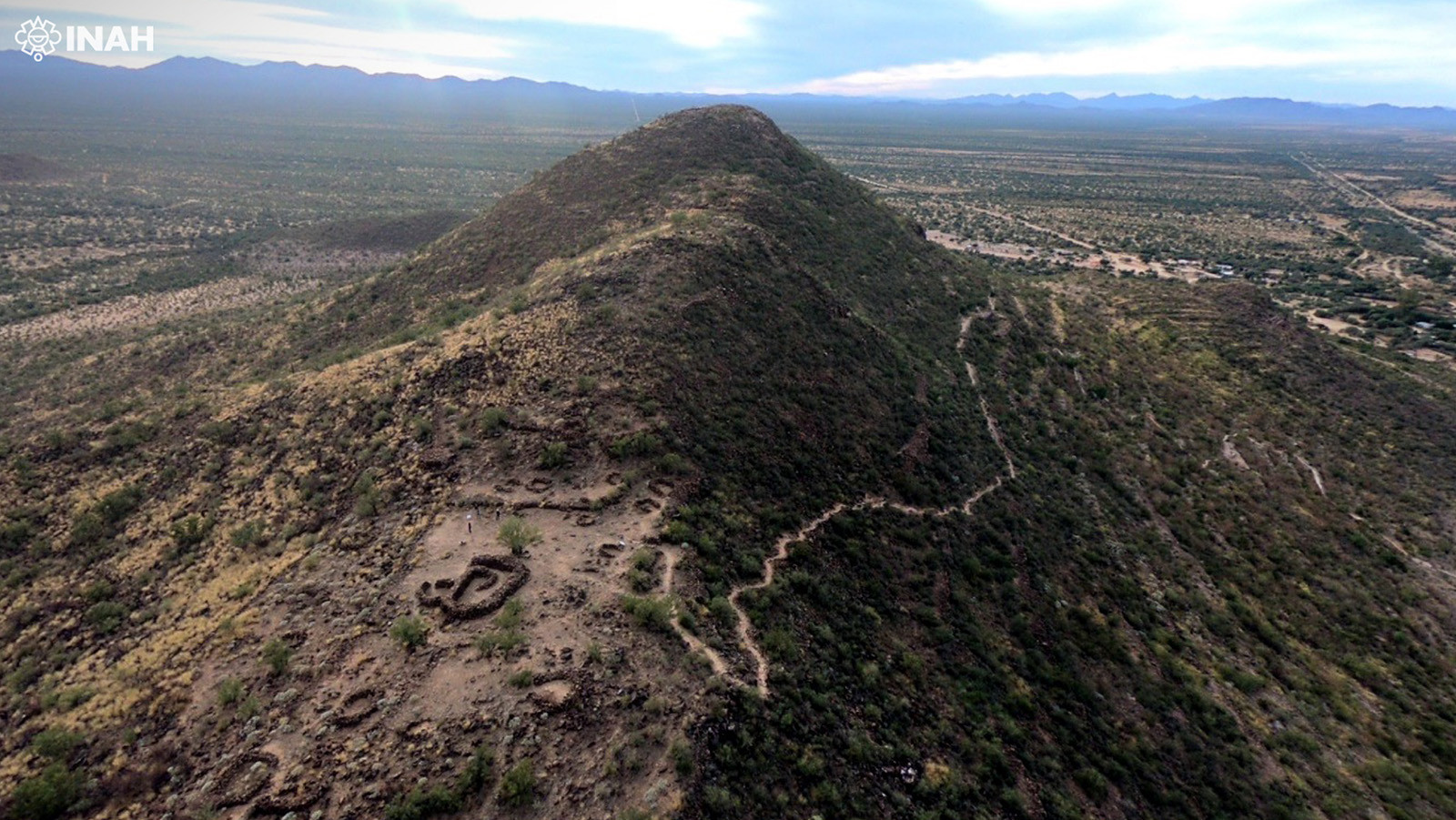
Known as La Ciénega, this village is situated in the Cocóspera River valley, near the USA-Mexico border by Arizona. An INAH Sonora Centre team led by Júpiter Martínez Ramírez meticulously recorded this location over several months. This represents one of the most important regional historic finds in recent memory.
What makes this discovery particularly striking is that it was concealed despite prior recognition. The site was first noted in 2008, with only about 10 houses initially documented. The ongoing construction exposed the village’s true expanse, far surpassing earlier estimates.

Homes Crafted Below the Earth’s Surface
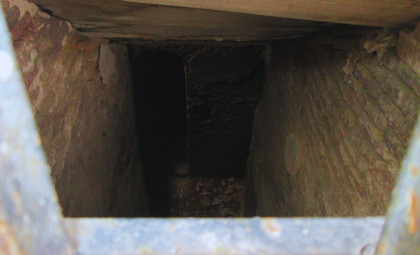
The inhabitants of La Ciénega constructed their dwellings differently than neighboring cultures. According to INAH’s research, the residences were oval or rectangular structures partially dug into the ground, extending 1 to 2.2 meters below the surface. This architectural style appears to have developed incrementally, as internal partitions were later enlarged using earth materials, suggesting repeated habitation and reconstruction through many generations.
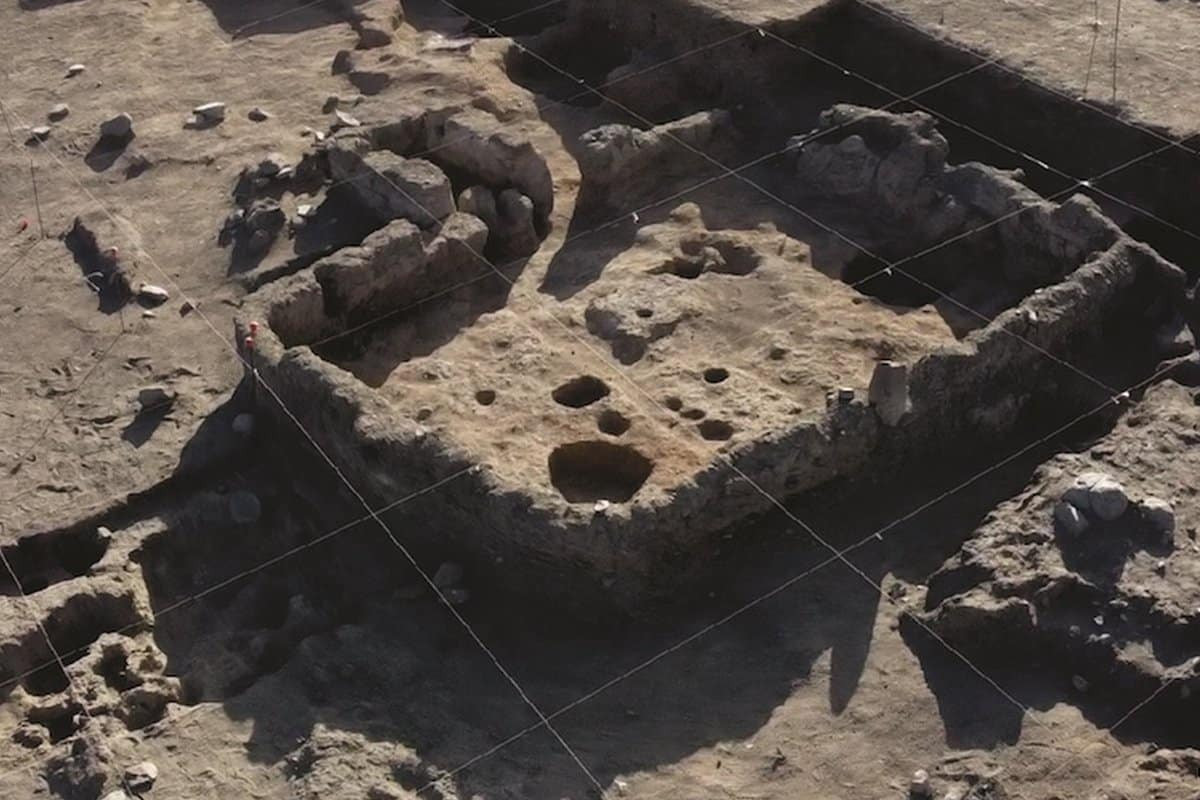
Within these semi-subterranean buildings, archaeologists identified internal walls that formed enclosed quarters resembling family units, implying that several generations of extended family groups lived intimately connected in these clusters.
“The architectural remains are scattered across the entire plateau, which measures 250 meters long by 250 meters wide, where there were once around sixty houses. Additionally, the lands near the watercourse were cultivated,” stated Martínez Ramírez.
Experts think the location was prized for its fertile soil and suitable living conditions, which helped sustain the community.
Graves Reveal Cultural Insights
The burial sites provide vital clues about the social and ritual dynamics of the inhabitants. Heritage Daily reports that excavations within three residential areas uncovered two distinct burial zones containing over 100 human remains attributed to the Trincheras Tradition.
Finds include roughly 40 traditional burials where bodies were placed in a curled position, alongside 28 cremations with ashes housed in ceramic containers. Some graves featured simple shell decorations, indicating disparities in access to prized possessions within the community. The INAH research team explained:
“We observe traces of the Trincheras and Hohokam traditions, which we have long considered parallel without fully understanding the connections between them. Here we see repeated migrations and abandonments. This leads us to believe that La Ciénega was a border site for the circulation of resources.”
Ancient Petroglyphs Offer Clues
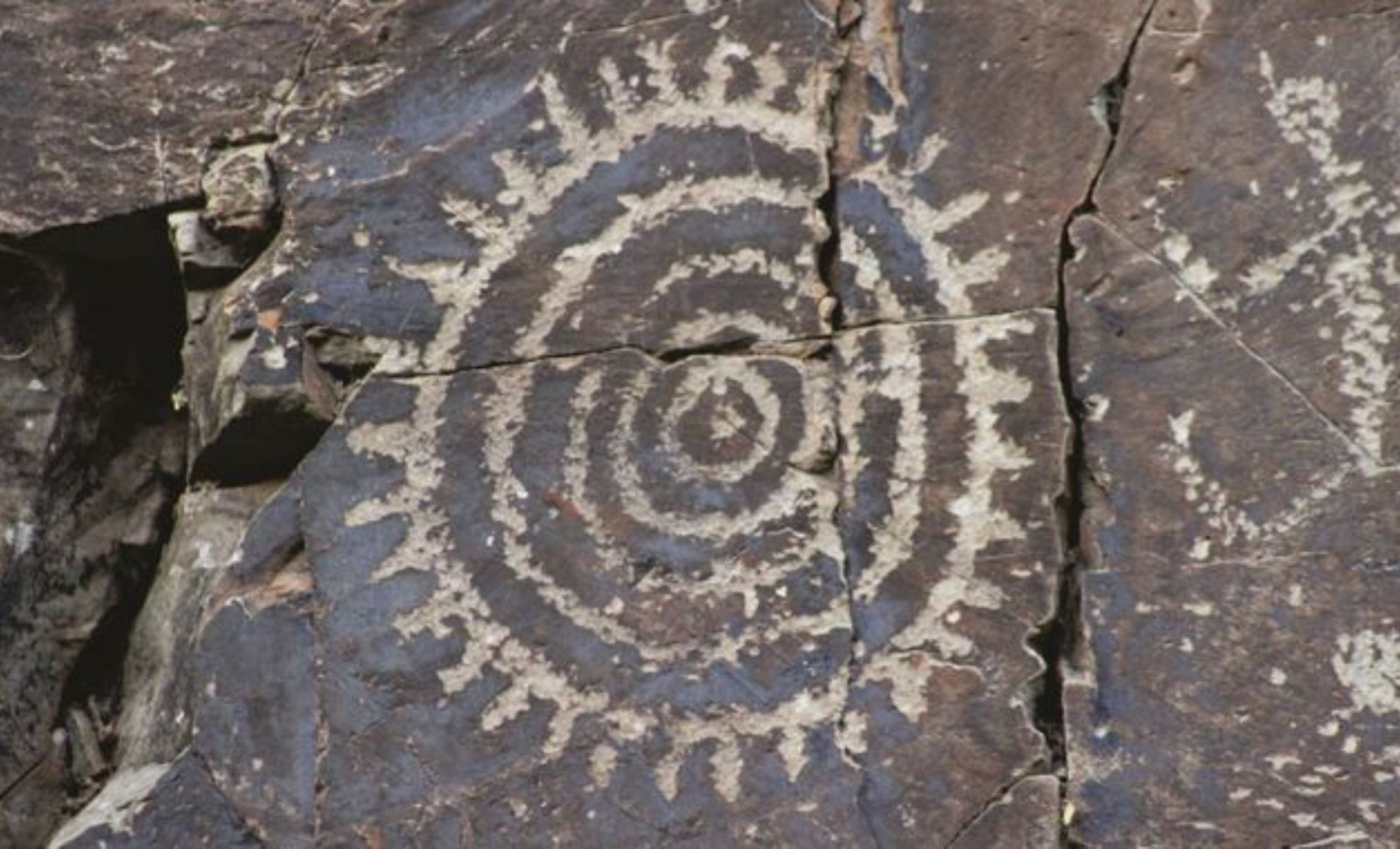
INAH announced in an official statement that archaeologists documented two sites with rock art surrounding the settlement. The first, known as the Babasac Petroglyphs, features six panels stretching over 200 meters, adorned with geometric motifs and human figures.
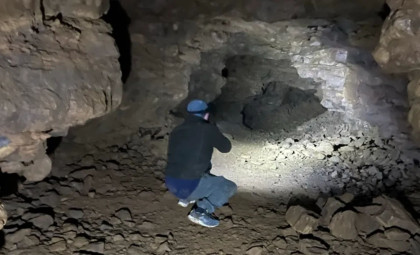
The second site, named Bear Footprints, contains carvings inside a small cave resembling the tracks of bears. While precise dating remains uncertain, experts estimate these petroglyphs were created between AD 800 and 1400.
These rock engravings give further insight into the cultural life at La Ciénega. Combined with the settlement and burial discoveries, they provide a richer understanding of how this ancient society lived, organized itself, and interacted with its surroundings.
- Categories:
- Science





0 comments
Sign in to Comment