
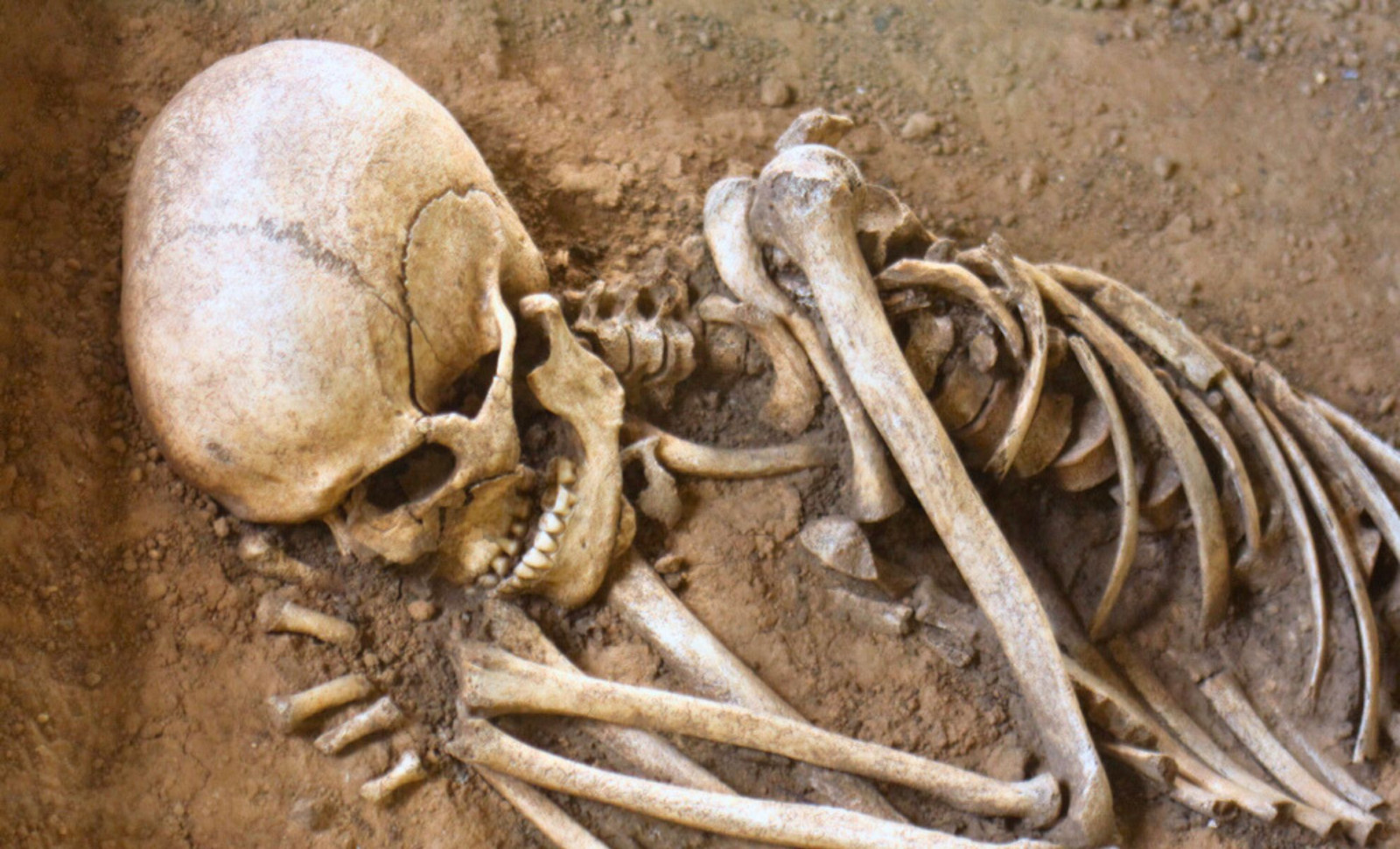
While nuclear power developments rarely inspire archaeological excitement, beneath Suffolk’s landscape an extraordinary historical revelation has emerged. Construction work for the Sizewell C nuclear power plant unexpectedly led to one of the most extensive digs conducted in the UK in recent times, exposing centuries of hidden history under the plot destined for modern reactors.
The terrain seems unremarkable—mostly flat farmland near the coast. Yet beneath the surface, archaeologists have uncovered traces of warriors, wealth, and complex ceremonial practices, tightly layered into just a few meters of soil. Although excavation began with modern infrastructure in mind, it has unveiled a long-lost narrative of England’s early past.
Prestigious Burial at Theberton Reflects Elite Anglo-Saxon Funeral Practices
The newly uncovered Anglo-Saxon cemetery near Theberton appears strategically placed on a prominent landscape feature. Excavators found a carefully organized set of inhumation and cremation graves, many containing items like weapons, jewelry, and ceramic containers.

One burial mound contained the remains of two individuals accompanied by personal artefacts and military gear, along with a fully equipped horse, signifying a highly distinguished status. The human bones themselves hadn’t survived, but impressions in the sand revealed detailed body outlines.
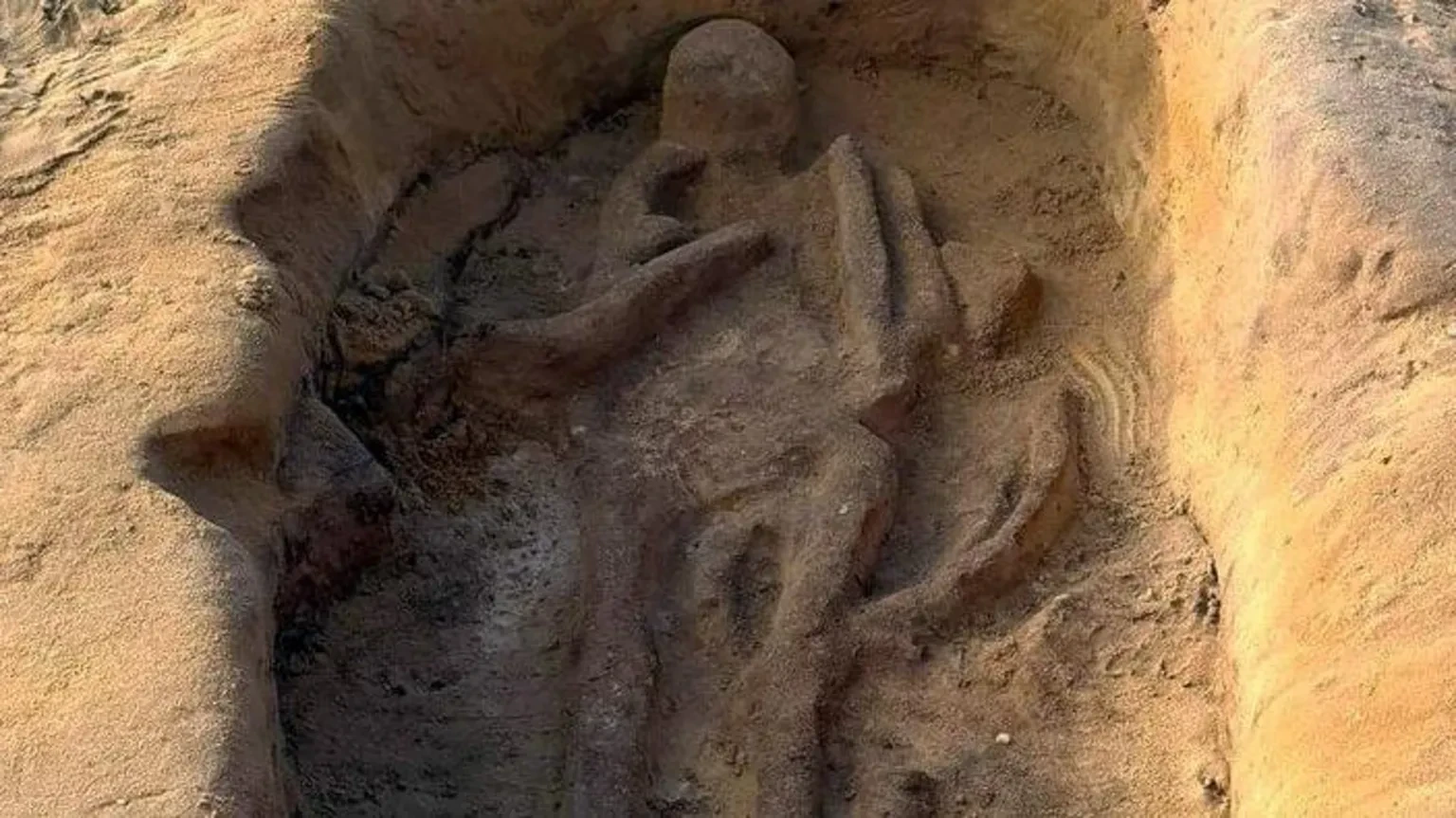
According to the archaeological report from Sizewell C, this site aligns with 7th-century elite burials comparable to those at Sutton Hoo, Snape, and Prittlewell.
Len Middleton of Oxford Cotswold Archaeology described the arrangement as "a ‘princely’ burial… part of the same elite tradition." The grave layout and artefacts emphasize marked social hierarchy and ritual power displays along the East Anglia coastline during the early medieval era.
Discovery of a Coin Hoard Reveals 11th-Century Regional Unrest
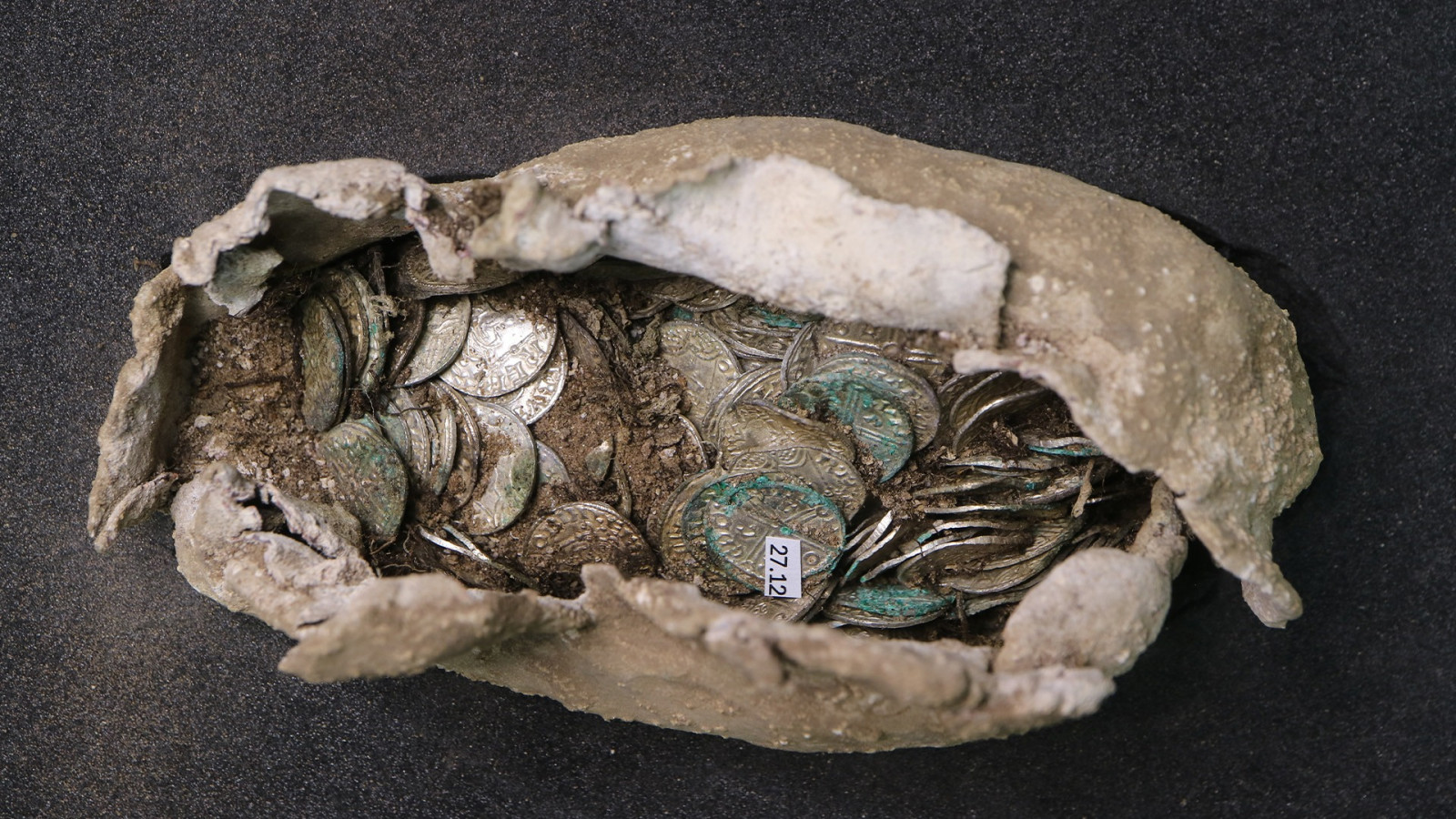
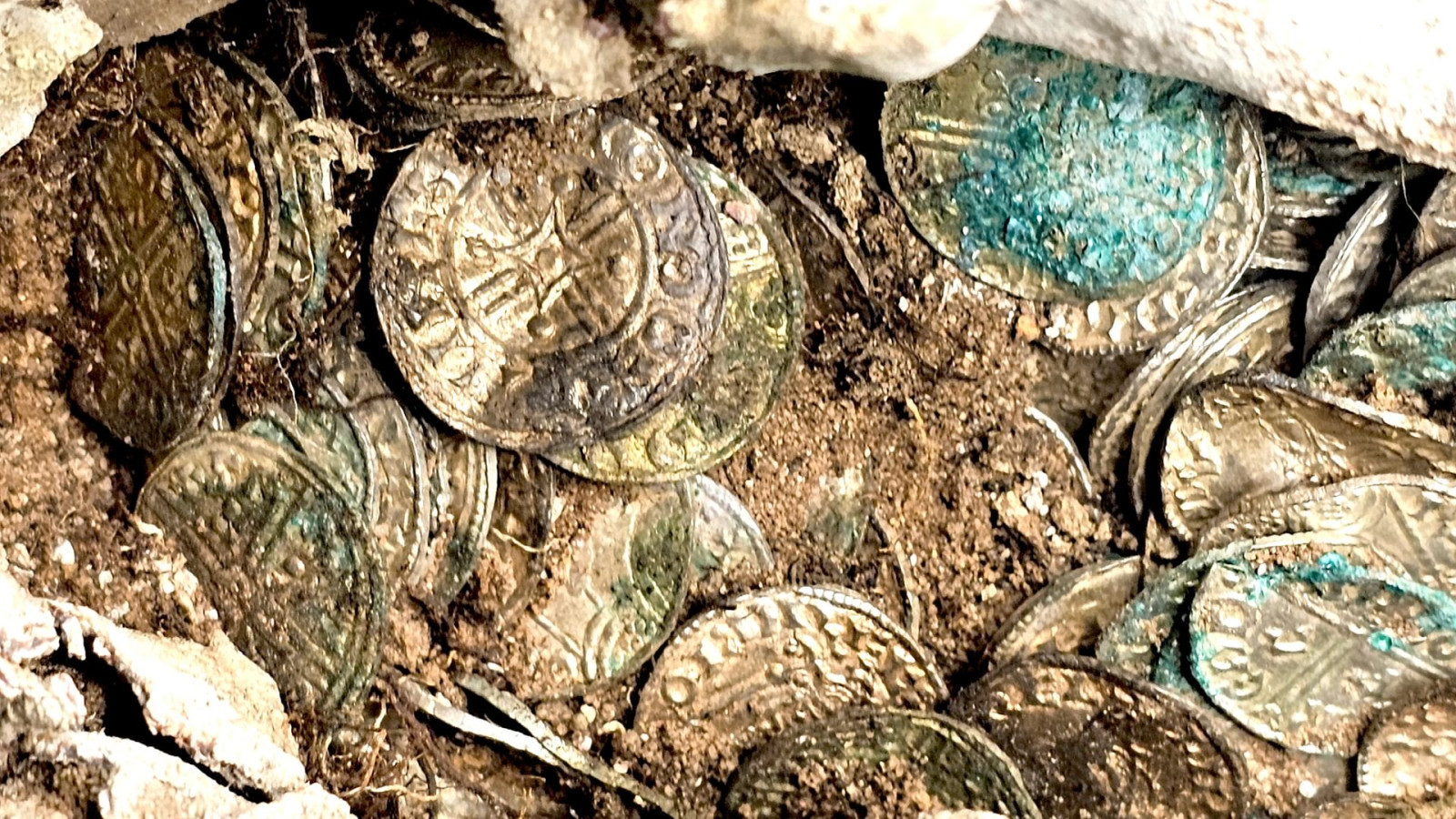
At a nearby excavation site, archaeologists uncovered a sealed cache of 321 silver coins encased in lead and cloth, buried for close to a thousand years. Sizewell C updates report the coins date from 1036 to 1044 CE, attributed to the reigns of Harold I, Harthacnut, and Edward the Confessor.
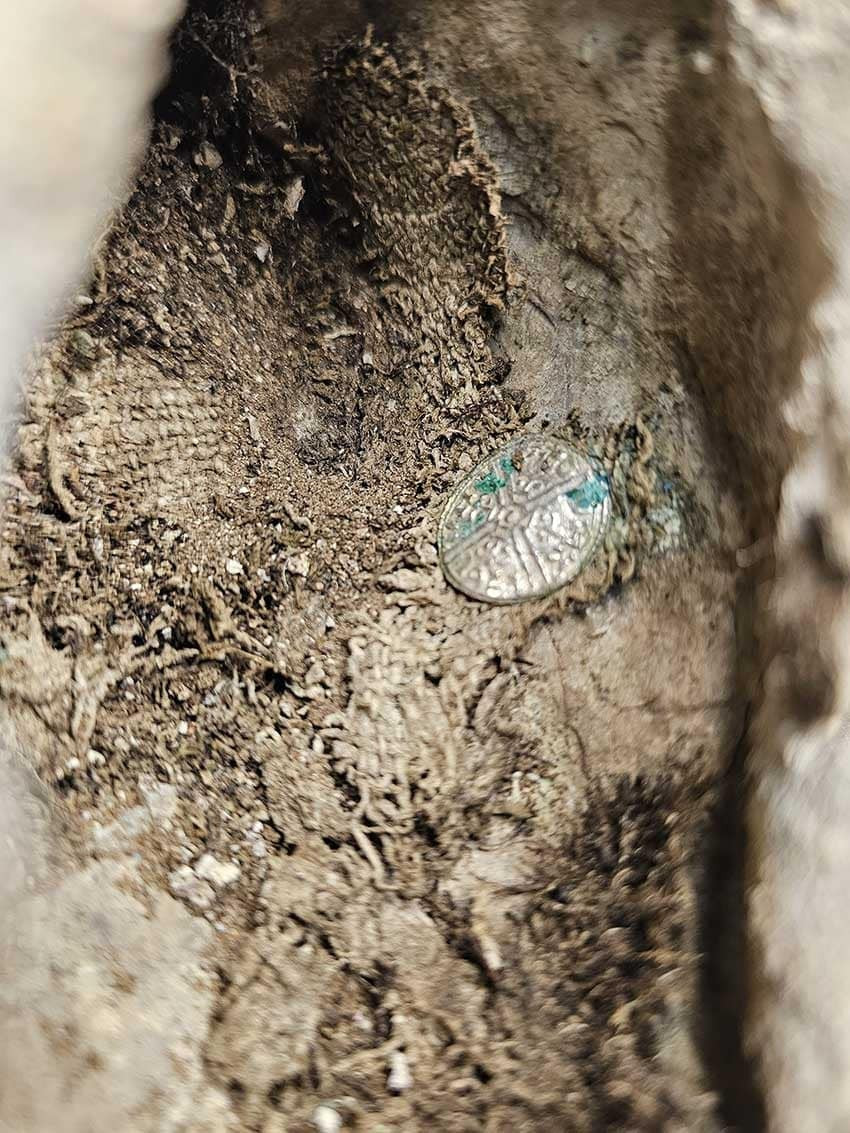
The coins originate from mints such as London, Thetford, Lincoln, and Ipswich, illustrating extensive trade networks and a turbulent pre-Norman political landscape. The hoard’s dense, rounded shape earned the nickname “the pasty” among archaeologists working in the field.
This collection has been entrusted to the Suffolk County Council’s Archaeological Service to safeguard its conservation and enable scholarly study. Public institutions will be able to borrow the hoard for exhibitions, strengthening its cultural significance locally.
Damian Leydon, Sizewell C’s Site Delivery Director, emphasized the importance of “retaining discoveries within Suffolk.” His comments, featured in the site’s official release, highlight the cooperative heritage management approach in the project.
Excavations Trace Ten Millennia of Human Settlement
Beyond early medieval finds, the extensive excavations at Sizewell C have unearthed evidence spanning 36,000 years of human activity, tracing back to Neanderthal times. Additional discoveries include Bronze Age agricultural sites, Roman-era kilns, and even World War II military installations.
As reported by Popular Mechanics, the site ranks among the most archaeologically rich infrastructure project areas ever surveyed in the UK. Finds such as a rare Iron Age oak ladder and a Beaker-period cremation urn highlight prolonged and diverse human use.
At Goose Hill, there is also evidence of Roman salt production, underlining the strategic importance of Suffolk’s coastal area throughout history. According to official statements, approximately 2 million square meters are being investigated across some 70 locations, with a workforce exceeding 200 field archaeologists.
Rosanna Price, engagement manager for Cotswold Archaeology, remarked on uncovering “an incredible 36,000 years of human presence,” illustrating the magnitude and richness of the archaeological record emerging from Sizewell C.
Balancing Heritage Conservation and Energy Infrastructure
The archaeology project integrated into Sizewell C exemplifies a modern trend of protecting heritage amid large-scale national infrastructure efforts. Beyond excavation, the project prioritizes public involvement via community open days, interactive webinars, and educational programs.
The Anglo-Saxon cemetery discovery will be showcased in an upcoming BBC Two’s Digging for Britain episode, as officially announced. Oxford Cotswold Archaeology will host further webinars to disseminate findings widely and deepen public understanding of the site’s significance.
Suffolk County Councillor Debbie Richards highlighted the partnership with developers to ensure “all archaeological work meets rigorous standards.” The council’s archaeological service will preserve artefacts and facilitate their study and display over the long term.
Work on Sizewell C, jointly led by EDF Energy, began in 2024 and is forecasted to continue for over ten years. The associated archaeological program is regarded by specialists as one of the most comprehensive in recent British history.
- Categories:
- News







0 comments
Sign in to Comment