
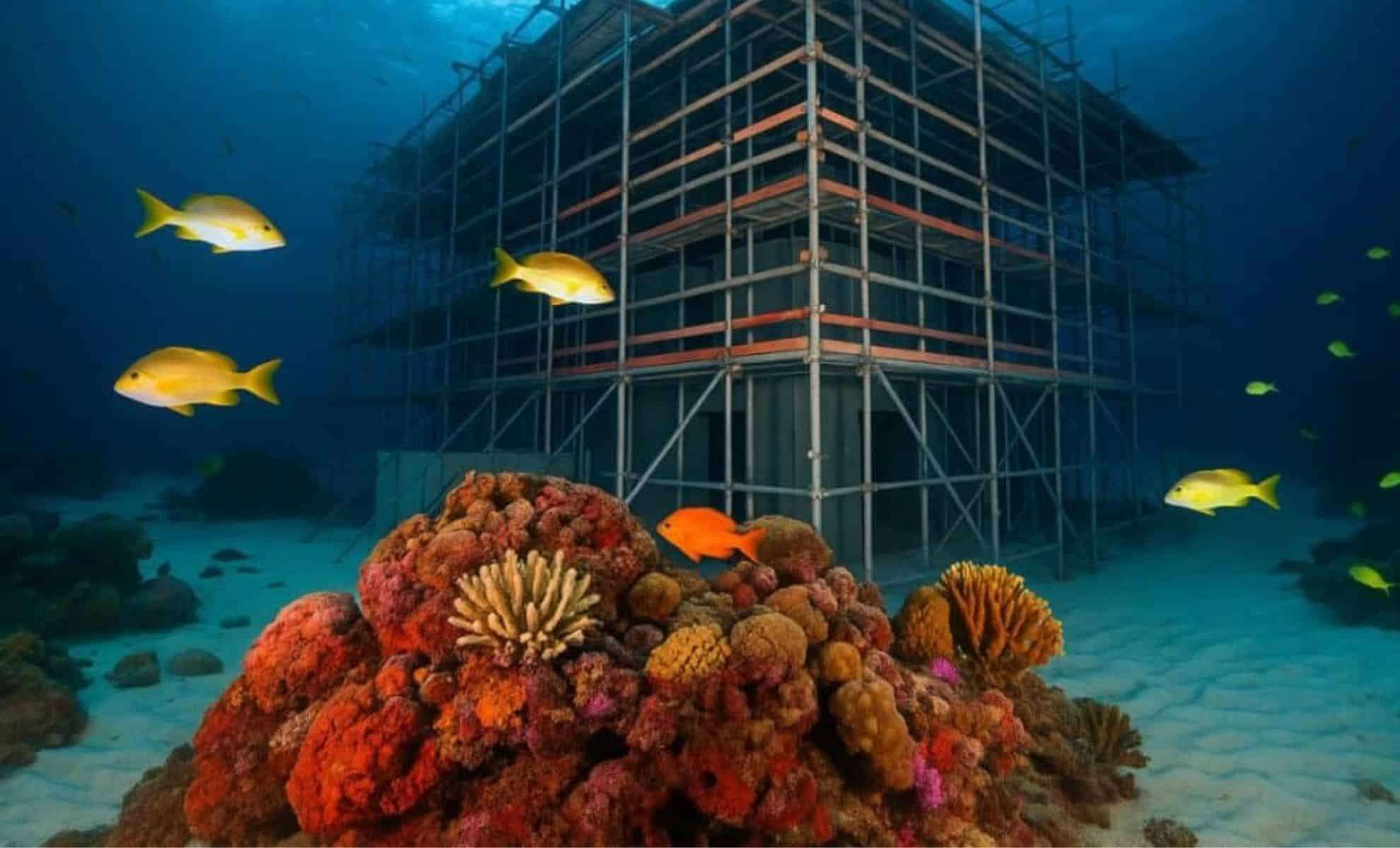
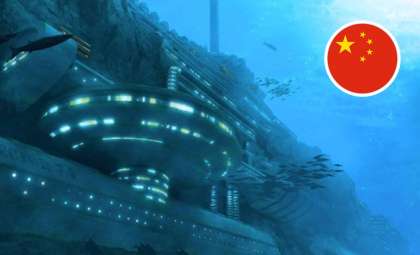
China is advancing deep-sea scientific exploration by constructing a cutting-edge underwater research hub positioned approximately 2,000 meters beneath the South China Sea’s surface.
Set to become operational by 2030, this ambitious project aims to build a facility whose complexity surpasses that of three combined International Space Stations (ISS).
A Groundbreaking Engineering Feat in the Ocean Abyss
Farmingdale Observer reports that the Chinese Academy of Sciences is leading the development of this innovative subsea station, with construction already in progress.

Situated near hydrothermal vents within the South China Sea, the site offers a rare opportunity to investigate intricate marine ecosystems.
These vents emit mineral-enriched hot fluids that sustain over 600 unique species, many adapted to surviving extreme pressure and temperature conditions.
The installation’s sustainable life support systems will permit continuous scientific observations of these dynamic vents.
This project marks not only a remarkable technological achievement but also a significant advancement toward unveiling the mysteries of largely unexplored deep-sea environments.
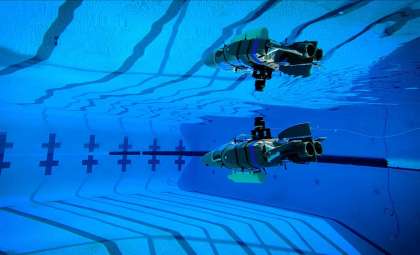
Its design incorporates state-of-the-art autonomous submersibles and a fiber-optic communication network enabling a sophisticated “four-dimensional” monitoring framework.
Probing the Ocean’s Hidden Treasures
The South China Sea harbors substantial methane hydrate reserves, a promising source of natural gas with the potential to transform China’s energy portfolio.
Estimated at about 70 billion tons, these hydrates beneath the seabed equal roughly half of the nation’s current combined oil and gas reserves, pointing to a possible game changer in energy supply.
In addition, the ocean floor is rich in valuable minerals like cobalt and nickel, which are integral to modern technological advancement.
Securing access to these materials could bolster China’s innovation capabilities and reinforce its independence in high-tech manufacturing.
Preserving a Fragile Ecosystem
The hydrothermal vent environments and their associated life forms are highly sensitive and susceptible to disturbance.
Mining methane hydrates and rare earth minerals involves environmental risks, threatening habitats that host uncommon species, some with potential medical significance.
Scientists involved in the endeavor are prioritizing ecological protection by deploying sophisticated monitoring tools within the station to minimize impacts.
Autonomous underwater vehicles will oversee resource extraction, ensuring that operations remain ecologically responsible and protect these vulnerable ecosystems.
China’s Expanding Role in Underwater Exploration
More than a research facility, this deep-sea station reflects China’s strategic initiative to lead global underwater resource ventures.
As nations like the United States ramp up their oceanic research, China’s progress could influence the competitive landscape of international deep-sea exploration.
The completion of this network-enhanced deep-sea base is expected to strengthen China’s geopolitical influence by asserting control over offshore resources vital for future energy demands and technological advancements within defense and industry sectors.
- Categories:
- News







0 comments
Sign in to Comment