
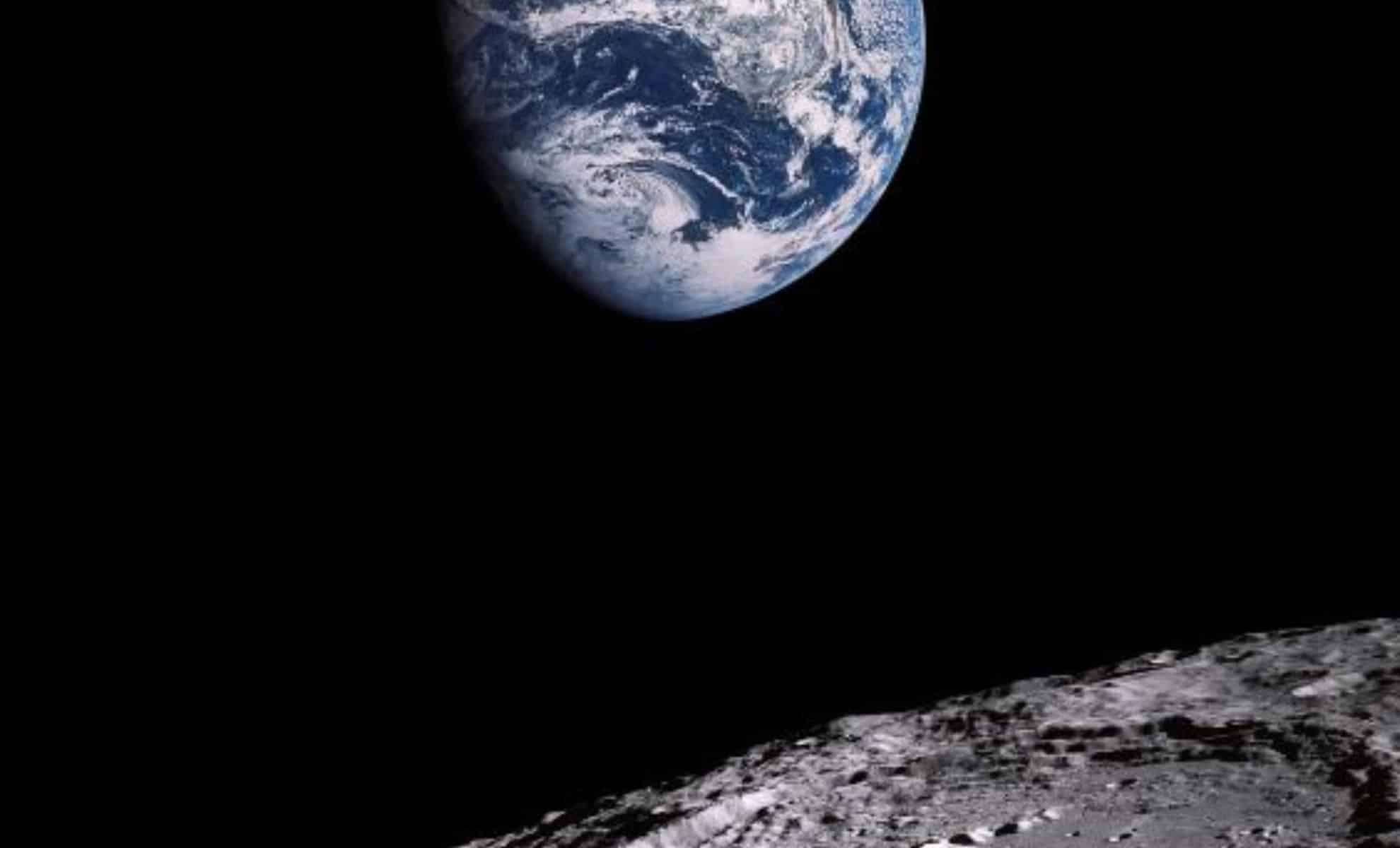
China is advancing space transportation technology by creating a magnetic launch mechanism to send materials from the lunar surface back to our planet.
This pioneering device targets the expensive challenge of moving resources in space, aiming to cut costs dramatically.
Utilizing a magnetic levitation system placed on the Moon, Chinese researchers intend to enhance the feasibility and efficiency of lunar mining and material transfer.

A Breakthrough in Lunar Transport: Magnetic Launch Technology
The core innovation centers on a magnetic levitation launcher functioning similarly to a hammer throw in athletics. A 50-meter arm spins, accelerating a capsule filled with lunar extracted goods before releasing it on a course towards Earth. Scientists say the Moon’s low gravity and near-vacuum atmosphere make it an ideal setting for this technology, potentially enabling the launch of two capsules daily with high efficiency.
The system is designed to achieve speeds reaching 2.4 kilometers per second, sufficient to overcome the Moon’s gravity. Powered by solar and nuclear energy sources, the launcher offers sustainable, long-term operations. Importantly, about 70% of operational costs are recovered using kinetic energy from the lever’s braking system.
This magnetic approach could slash transportation costs by up to 90% compared to traditional rocket methods, dramatically lowering expenses for lunar material delivery. Such cost savings are vital to ensuring the practicality of long-term moon exploration and resource commerce.

Harvesting Helium-3: Unlocking a Clean Energy Future
A primary goal behind China’s lunar ventures is extracting helium-3, an isotope heralded as a promising fuel for next-generation clean energy. Earth’s helium-3 supply is scant at roughly 0.5 tons, whereas the Moon is thought to harbor over 1 million tons embedded within its soil—offering a vast, untapped energy source.
Helium-3 offers unique benefits, as it can be used in nuclear fusion reactors to generate power without producing hazardous radioactive byproducts. Though fusion technology remains nascent, helium-3’s potential as a clean and nearly limitless energy resource makes lunar mining highly appealing amid growing global energy demands and sustainability efforts.
The magnetic launcher is specifically tailored to transport helium-3, potentially moving between 3 and 5 tons annually from the Moon to Earth. Delivering just 20 tons could satisfy China’s energy consumption for a year, supporting the country’s ambition to lead clean energy innovation worldwide.
Tackling Technical Hurdles and Looking Ahead
Despite its promise, the magnetic catapult project faces considerable engineering obstacles. The entire structure is anticipated to weigh around 80 tons and requires assembly via a super-heavy launch vehicle capable of transporting large components to the lunar surface. China is developing such heavy-lift rockets, though these advancements are critical precursors to catapult construction.
Building this launcher is expected to cost about 130 billion yuan ($18.2 billion), reflecting the intricacy and scale of the endeavor. However, anticipated annual returns could exceed 100 billion yuan from helium-3 shipments, making this a high-return investment.
The system’s operational lifespan is estimated at roughly 20 years, promising long-term benefits. As space technology advances in power generation and transportation, turning the Moon into a resource hub is increasingly feasible.
Advancing Lunar Industry and Space Commerce
China's bold initiative aligns with a growing international push toward utilizing extraterrestrial resources commercially. With nations and private firms vying to claim space assets, mining lunar materials could transform Earth's energy landscape and reduce reliance on finite fossil fuels.
The magnetic catapult also represents progress toward establishing a sustainable lunar economy, enabling regular transfer of materials between the Moon and Earth. Success here could spark further breakthroughs in space logistics, resource extraction, and even human settlement prospects on the Moon.
While many challenges lie ahead, this development underscores China’s determination to lead in space exploration. Leveraging advanced technologies alongside innovative visions, China is poised to reshape humanity's future interactions with the Moon and the broader cosmos.
- Categories:
- Astronomy ,
- News ,
- Evolution







0 comments
Sign in to Comment