
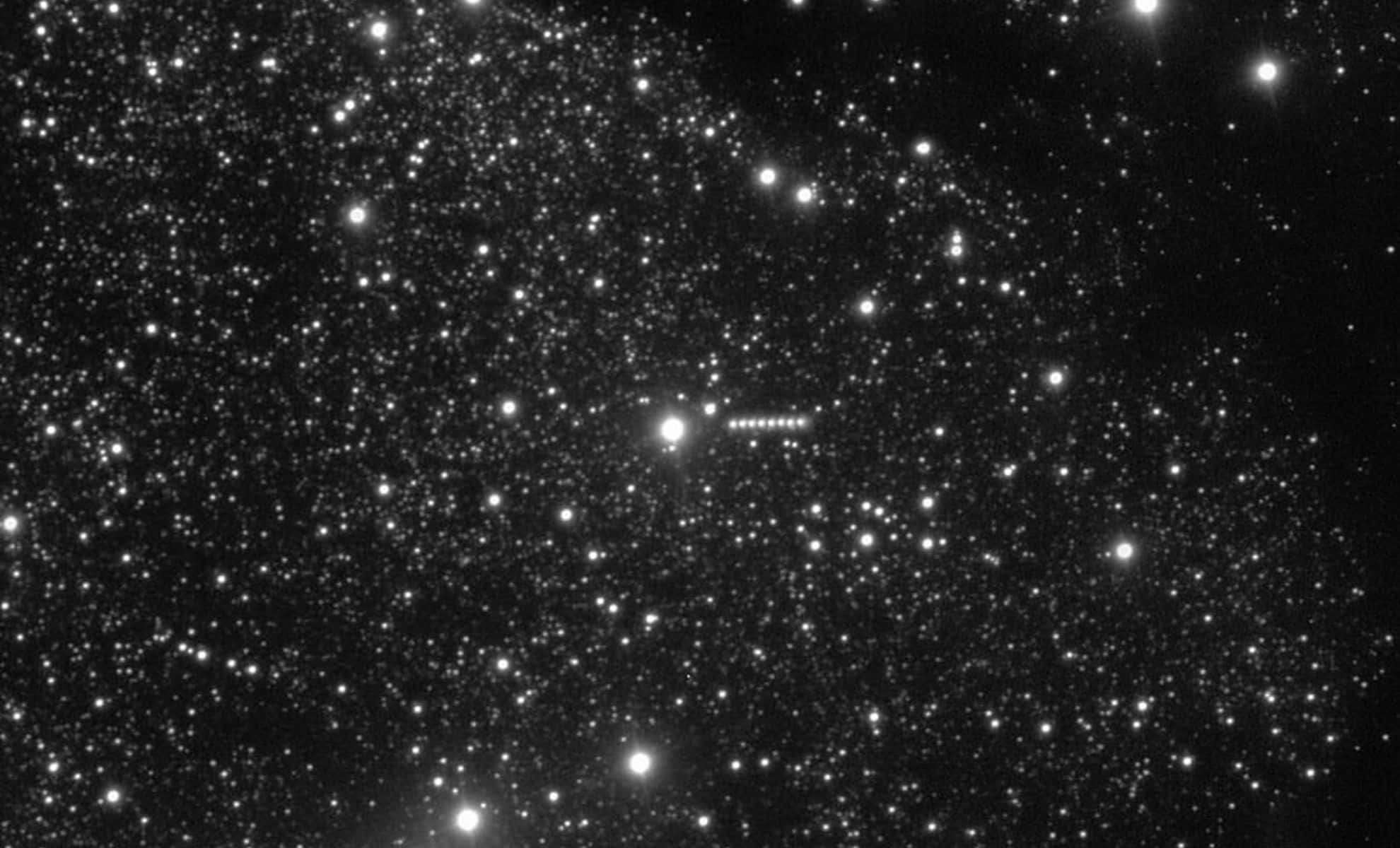
A captivating interstellar traveler known as 3I/ATLAS has drawn renewed interest from the astronomical community. By examining archival images from NASA’s Transiting Exoplanet Survey Satellite (TESS), scientists have determined that this enigmatic object was captured two months prior to its official identification in July 2024.
This earlier detection, uncovered through an in-depth analysis of TESS observations, was spotlighted in a report published by the Daily Mail on September 1, 2025. While the full findings await peer review, this insight is already prompting scientists to rethink methods for spotting objects arriving from beyond our solar neighborhood.
Backtracking Reveals Pre-Discovery Sightings
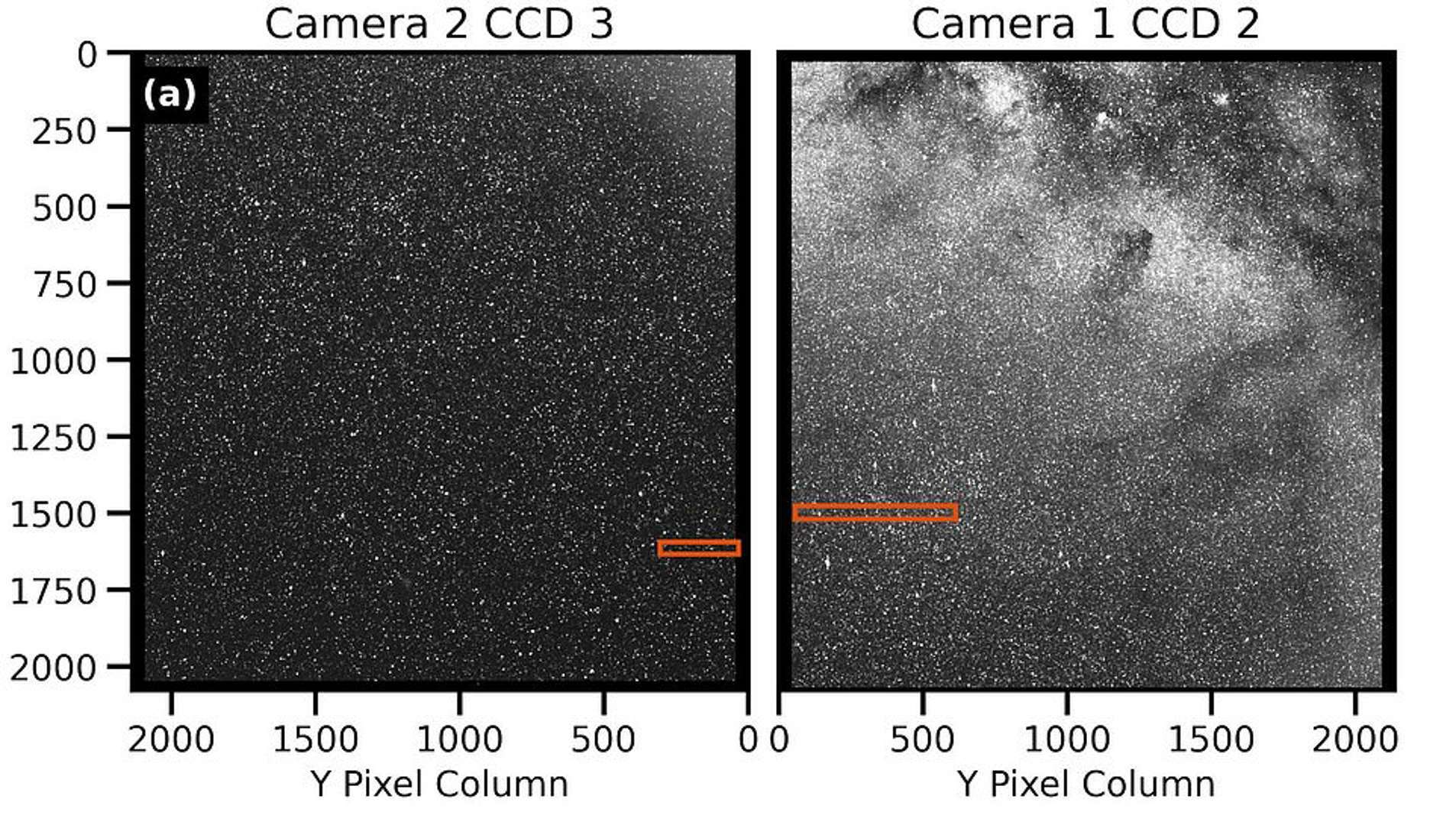
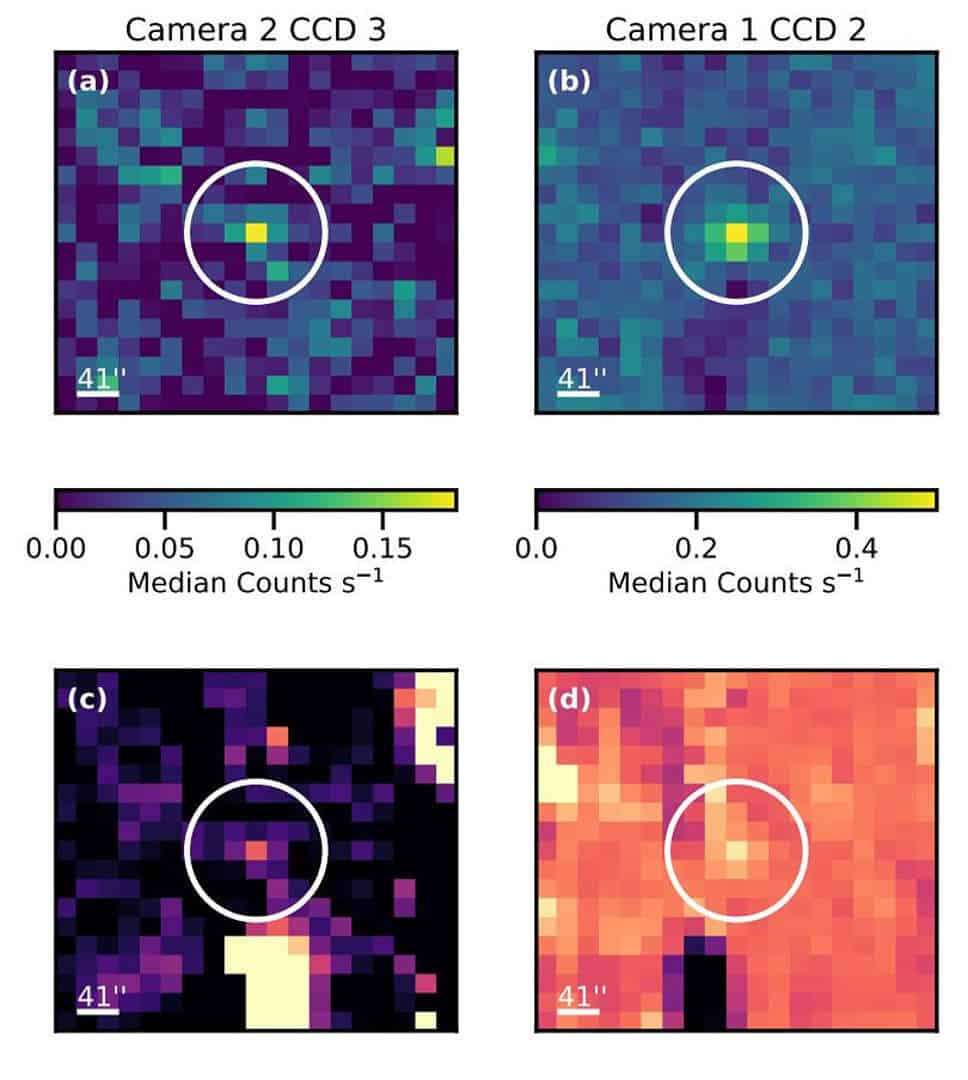
Reviewing archival TESS data, researchers pinpointed 3I/ATLAS in imagery dated May 7, 2024, which precedes ground-based observations by nearly two months. Initially missed due to its faintness and rapid speed, it eluded detection by real-time monitoring algorithms. The TESS mission, primarily designed to detect distant exoplanets via stellar brightness variations, incidentally recorded the interstellar object.

This newfound early observation enables the team to extend the object's tracking timeline, refining measurements of its velocity, brightness, and makeup. Such an enriched dataset enhances understanding of its origin and assists in predicting its departing path as it exits our solar system.
Joining the Ranks of Known Interstellar Visitors
This development adds 3I/ATLAS to the small family of confirmed interstellar objects, including 1I/‘Oumuamua identified in 2017 and 2I/Borisov spotted in 2019. Each of these cosmic interlopers exhibits unique features divergent from typical solar system bodies. For 3I/ATLAS, its hyperbolic trajectory confirms it is not gravitationally tethered to the Sun and will continue its indefinite journey through interstellar space.
The object’s quick rotation and unusual luminosity variations have also attracted attention. Scientists theorize that its shape and spin rate cause irregular light patterns, reminiscent of unexpected traits seen in ‘Oumuamua. Despite 3I/ATLAS appearing less elongated, its precise physical form remains a mystery.
Initial Oversight Spurs Calls for Enhanced Monitoring
Even though TESS’s images captured the object, it initially went unnoticed because it blended with background stars and evaded detection algorithms. Only through retrospective evaluation was its early presence confirmed.
This incident has ignited debates about the current detection limitations and the necessity for improved sky-surveillance technologies. Presently, most systems are calibrated to track slower, predictable asteroids close to Earth, which leaves fast-moving, transient interstellar bodies frequently undetected until they are well beyond the inner solar system.
Harnessing AI and Real-Time Analytics for Future Finds
To prevent missing similar events in the future, astronomers advocate utilizing advanced artificial intelligence systems capable of sifting through vast image archives to detect subtle anomalies. TESS, although not intended for this purpose, serendipitously recorded invaluable data, illustrating how instruments not specifically designed for interstellar object detection can contribute significantly when analyzed appropriately.
Enhancing early detection tools will allow scientists to observe these objects more closely while they are still accessible, aiding investigations into their chemical makeup, possible origins, and the broader processes governing interstellar material exchange.
Currently, 3I/ATLAS is continuing its voyage beyond our solar system and is unlikely to be observed again. Nonetheless, uncovering its hidden early appearances in existing datasets emphasizes how much remains undiscovered and the potential scientific gains if we refine our observational capabilities.
- Categories:
- News








0 comments
Sign in to Comment