

NASA is gearing up for the groundbreaking Artemis 2 mission, which will send astronauts on a 10-day voyage orbiting the Moon—the first crewed lunar journey since Apollo 17 in 1972. As the crew initiates their quarantine period, a vital stage in the mission’s final prep, attention is focused on the upcoming launch, targeted for February with additional windows in March and April. This article explores the importance of the quarantine phase and what the mission signifies for NASA’s ambitions in lunar exploration.
Final Preparations Begin as Artemis 2 Crew Starts Quarantine
NASA’s Artemis 2 mission marks a bold return to lunar exploration after more than five decades. This mission will send four astronauts—Reid Wiseman, Christina Koch, Victor Glover, and Jeremy Hansen—around the Moon in a new chapter for human spaceflight. Starting January 23, 2026, the crew entered quarantine at NASA’s Johnson Space Center in Houston, participating in a rigorous health stabilization protocol designed to protect them from illness before departure.
“This period, called the health stabilization program, typically starts about 14 days before launch,” NASA officials said in a statement on Friday. “Beginning quarantine now preserves flexibility as teams work toward potential opportunities in the February launch period.”
Add Cosmo Herald as a Preferred Source

The quarantine procedure is standard for all crewed spaceflights to reduce risk of infections. It not only shields the astronauts from diseases but also helps keep them in peak condition necessary for their lunar mission.

NASA intends to launch in early February, with backup opportunities in March and April. Enforcing quarantine just weeks ahead of liftoff maximizes time for preparation. Throughout this period, the team continues rigorous training, making the quarantine a critical interval to perfect mission readiness.
How Quarantine Safeguards Both Crew and Mission Success
The quarantine phase is indispensable for Artemis 2’s success, as maintaining the astronauts’ health is paramount during these final weeks. NASA officials have clarified that
“During quarantine, the crew can continue regular contact with friends, family, and colleagues who are able to observe quarantine guidelines, and will avoid public places, wear masks and maintain distance from others they come into contact with as they continue their final training activities.”
This ensures stringent measures are in place to minimize the risk of illness.
Beyond physical health, quarantine also supports mental focus, allowing the astronauts to concentrate fully on finishing training. This includes mission simulations and medical assessments to verify they can handle all challenges during the mission. Given their extended time away from Earth, it’s crucial that every physical and psychological element is honed to readiness.
This controlled environment grants NASA a strong chance to guarantee crew preparedness. Free from health risks and distractions, astronauts can dedicate themselves fully to final exercises that simulate critical mission operations aboard the Orion spacecraft orbiting the Moon.
Artemis 2: A Milestone in Humanity’s Return to the Moon
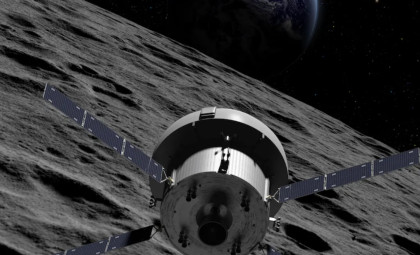
The Artemis 2 mission is historic, marking the first crewed lunar journey in more than 50 years since Apollo 17 in 1972. The space exploration landscape has evolved substantially with new technologies, spacecraft, and astronaut training. Artemis 2 will have four astronauts orbiting the Moon in NASA’s Orion spacecraft, conducting essential tests and data collection ahead of upcoming missions like Artemis 3, which aims to land humans on the lunar surface.
NASA’s Artemis initiative is a key component of its broader vision, aspiring to establish a sustainable human presence on the Moon before the decade ends. While Artemis 2 itself will not involve a lunar landing, it will yield valuable insights to enhance spacecraft performance, operational protocols, and astronaut capabilities in deep space. The knowledge gained will pave the way for future crewed expeditions, ultimately advancing NASA’s objective of sending humans to Mars. Artemis 2’s success could be a pivotal chapter in humanity’s journey beyond Earth.
- Categories:
- Space










0 comments
Sign in to Comment