
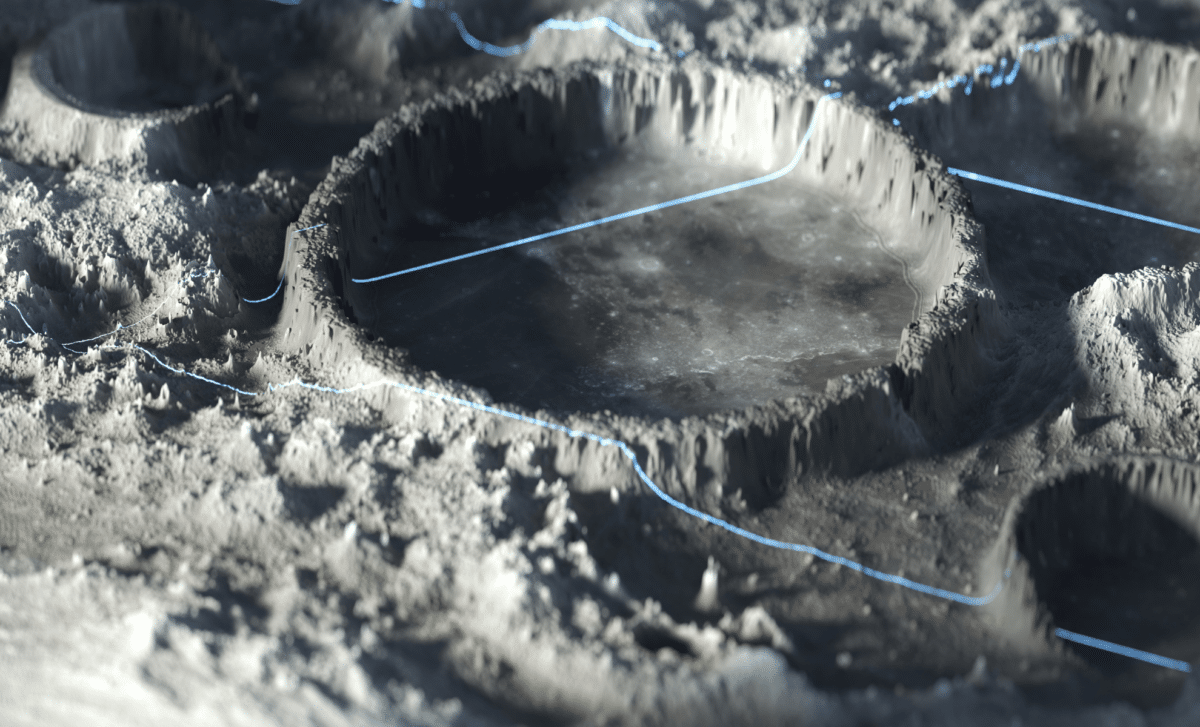
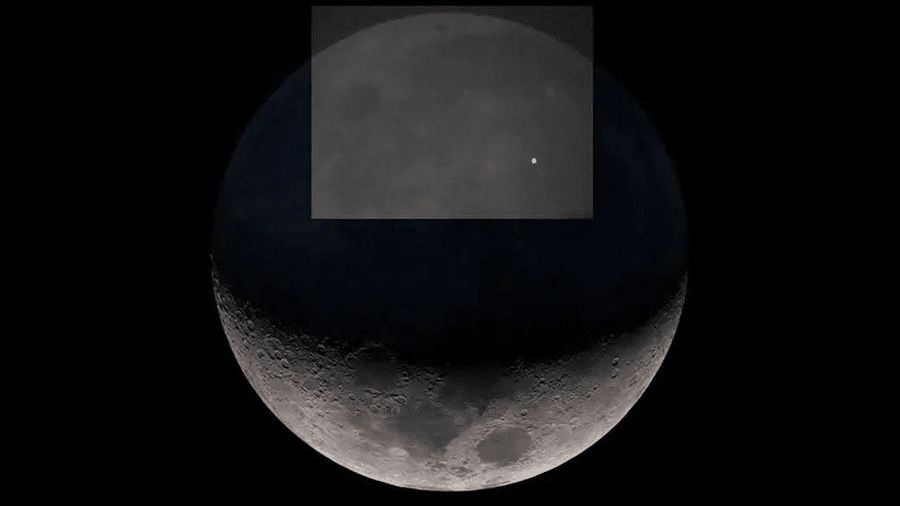
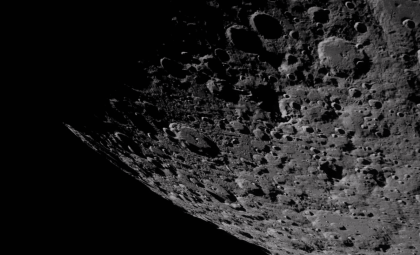
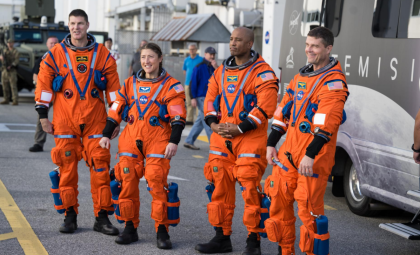
During the groundbreaking NASA Artemis 2 mission, astronauts observed fleeting flashes of light caused by meteoroid collisions on the far side of the moon. As reported by Space.com, this unique observation promises to deepen our knowledge of how cosmic debris interacts with the lunar landscape. Previous missions struggled to capture such instant flashes, but the Artemis 2 team's firsthand visual encounters offer unmatched detail, revealing a phenomenon rarely seen by scientists until now.
Why This Finding Matters
Being able to visually detect meteoroid impacts is a major advancement for the Artemis 2 astronauts. Space.com explains that these flashes arise when meteoroids strike the lunar surface, causing debris to vaporize and emit bright bursts of light. Such events are notoriously tough to film due to their brief duration, showcasing the extraordinary nature of astronauts witnessing them with their own eyes. NASA Artemis 2 lunar science lead Kelsey Young stated,
“These observations were made with the unaided eye. It’s extremely difficult to capture impact flashes with a camera, which is one of the benefits of sending trained crew to observe the moon.”
Add Cosmo Herald as a Preferred Source

This extraordinary visual data originated from the far side of the moon—an area hidden from Earth-based observation—making the findings even more groundbreaking. Initial information from the mission confirms that these luminous impacts occurred in this hard-to-study region, broadening our perspective on lunar meteoroid activity.
Opening New Paths in Lunar Research
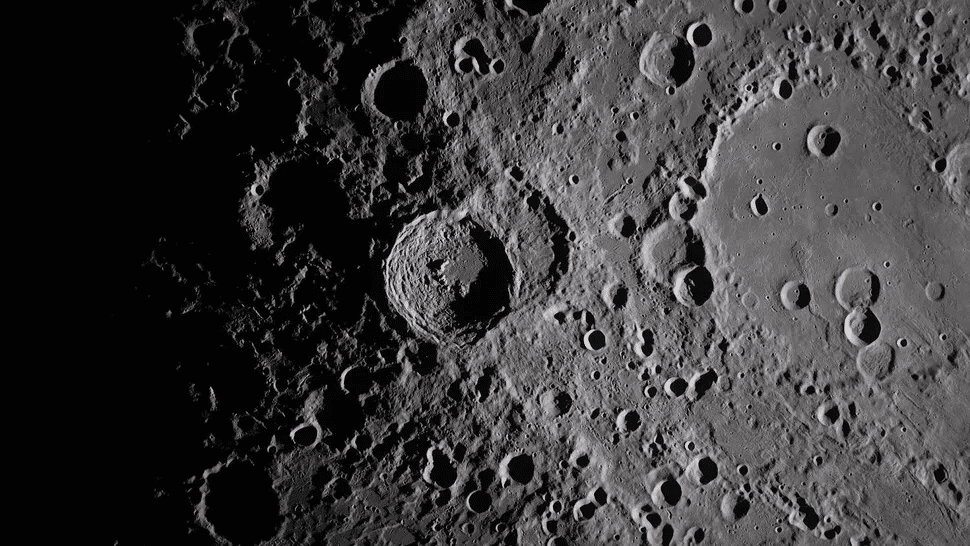
Meteoroid strikes on the moon serve more than just a visual spectacle—they hold vital clues to the moon’s geological past and surface behavior. By analyzing the timing, intensity, and locations of these flashes, researchers can infer the frequency and size distribution of impacting meteoroids. This knowledge also assists in understanding crater formation and how shock waves penetrate the moon’s interior, offering essential data about lunar geology.
“This is vital information for scientists who study the moon,” said the Impact Flash website, which is part of the citizen science project tracking these meteoroid flashes. “By tracking when and where they happen, scientists can learn how often impacts of different sizes occur, what kinds of craters they create, and how the shock waves travel through the moon’s interior.”
Citizen Science Efforts and What Lies Ahead
In addition to the Artemis 2 astronauts’ landmark observations of meteoroid impacts on the moon’s far side, citizen science projects have played a crucial supporting role. NASA’s GEODES initiative includes the Impact Flash citizen science program, which collects data on these flashes from both Earth-based telescopes and lunar missions. By pairing public data contributions with datasets from spacecraft like NASA’s Lunar Reconnaissance Orbiter, scientists aim to develop a fuller understanding of meteoroid activity and lunar impact patterns.
Within the next several months, all collected mission data—including imagery, audio, and transcripts—will be released to the public for broader analysis.
“Within six months, all imagery of the Earth and moon taken by crew and vehicle cameras, audio recordings of the crew’s science observations, and accompanying transcripts will be publicly available for the broader science community to analyze,” said Wasserman, an official overseeing the data release.
Relevance for Upcoming Lunar Colonies
Grasping the nature of meteoroid impacts is vital for the design and safety of future permanent lunar bases, such as NASA’s planned Artemis Base Camp. While the moon’s south pole offers an optimal site for long-term human presence, it also presents challenges like meteoroid hazard risks. A 2025 study led by Daniel Yahalomi at MIT highlights this concern, stating,
“To design for longevity, one must account for the myriad environmental hazards that a long-duration outpost will face—among them radiation, extreme thermal cycling, regolith dynamics, seismic shaking, dust, and, of particular importance to this work, impacts.”
By enhancing our understanding of meteoroid threats, researchers can create improved shielding solutions to protect habitats and equipment. These developments will be key to safeguarding human explorers and infrastructure on the moon during future missions.
- Categories:
- Nasa







0 comments
Sign in to Comment