
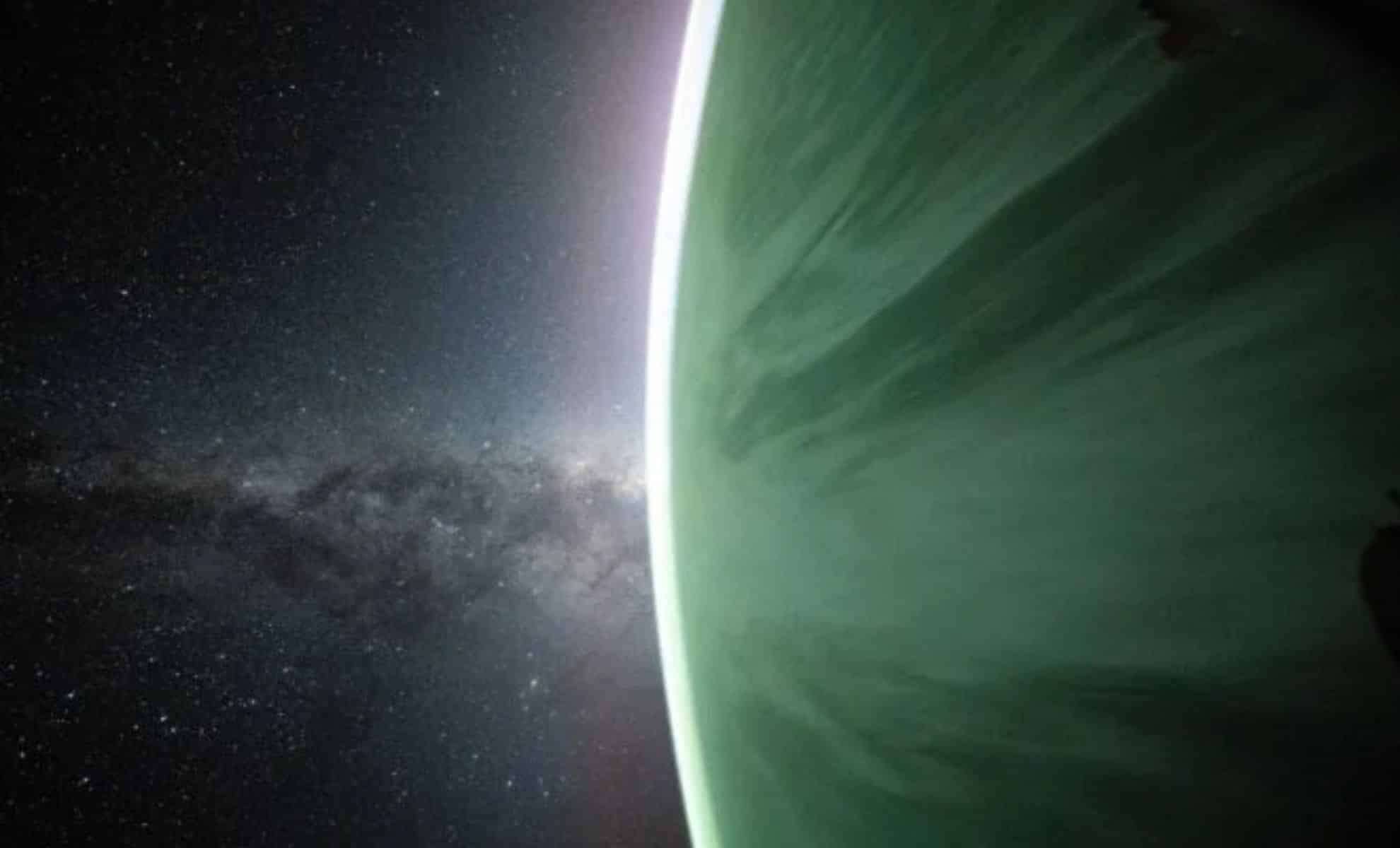
From their unique vantage point aboard the International Space Station (ISS), astronauts witness some of the most awe-inspiring celestial scenes. Among these, Don Pettit’s latest photograph stands out for its exceptional depiction of space’s immense grandeur.
While flying approximately 265 miles above the Pacific Ocean, Pettit aimed his camera at Earth’s edge just before dawn. The stunning image reveals a delicate ribbon of our atmosphere illuminated beneath the radiant band of the Milky Way, seen edge-wise in all its glory. NASA featured Pettit’s work in a recent spotlight, drawing attention to the importance of capturing these rare views from low-Earth orbit.
Technical Approach Behind the Shot
Photographing the Milky Way from an orbiting platform poses significant challenges due to the ISS’s swift 17,500 mph (28,000 km/h) velocity. To counteract potential motion blur, Pettit employed long exposure settings paired with low-light camera modes, enabling him to reveal intricate star clusters within the Milky Way while capturing the subtle movement of Earth below.

The photo’s composition is remarkable in multiple ways. Unlike typical space images showing a bright blue Earth with visible cloud formations, Pettit’s picture gives the planet a muted green tint, possibly caused by atmospheric scattering combined with his camera’s exposure settings. A fine, glowing layer appears above Earth’s circumference, marking the thin boundary of the atmosphere fading into the vastness of space.
One of the most captivating elements is the depiction of the Milky Way from a sideways view. As a barred spiral galaxy spanning around 100,000 light-years, we usually perceive it as a starry streak from our ground perspective. Pettit’s vantage point in orbit unveils an elongated, luminous structure that better reflects the galaxy’s true scale—an experience rarely accessible to observers on Earth.
This is not Pettit’s first astrophotographic endeavor from orbit. In December 2024, he shared an image featuring Earth framed by satellite galaxies, created using an innovative device he engineered to reduce motion blur during long exposures. A seasoned astronaut and enthusiastic space photographer, Pettit hinted on X (formerly Twitter) at upcoming celestial image projects.
ISS Crew: Active Researchers and Explorers
Though such breathtaking images highlight the beauty of space, the ISS team remains deeply engaged in vital scientific work, station upkeep, and extravehicular activities (EVAs). Pettit is a member of NASA’s Expedition 72 alongside astronauts Suni Williams, Butch Wilmore, and Nick Hague.
Williams and Wilmore have attracted attention due to a prolonged mission duration caused by a delayed return. This situation stirred public debate after SpaceX CEO Elon Musk suggested political reasons for the extension, a claim dismissed by former ISS commanders and NASA officials. Despite the delay, the crew’s productivity has not wavered.
Shortly after Pettit took the Milky Way shot, Williams and Wilmore completed a 5.5-hour spacewalk, setting a new record for Williams as the female astronaut with the longest cumulative spacewalk time—over 62 hours. She surpassed the previous record held by Peggy Whitson, highlighting the intense demands of spacework and the critical role of EVAs in station operations.
Williams and Wilmore are slated to return to Earth in March 2025 aboard a SpaceX Dragon spacecraft. Their extended stay provides invaluable data on human adaptability in space, an essential factor for NASA’s future missions to the Moon and Mars.
The Importance of Space Photography
For decades, images captured by astronauts have transformed our understanding of Earth and our cosmic place. Legendary photos like Apollo 8’s “Earthrise” (1968) and the Voyager 1 “Pale Blue Dot” (1990) have shifted perspectives on our planet’s significance in the universe.
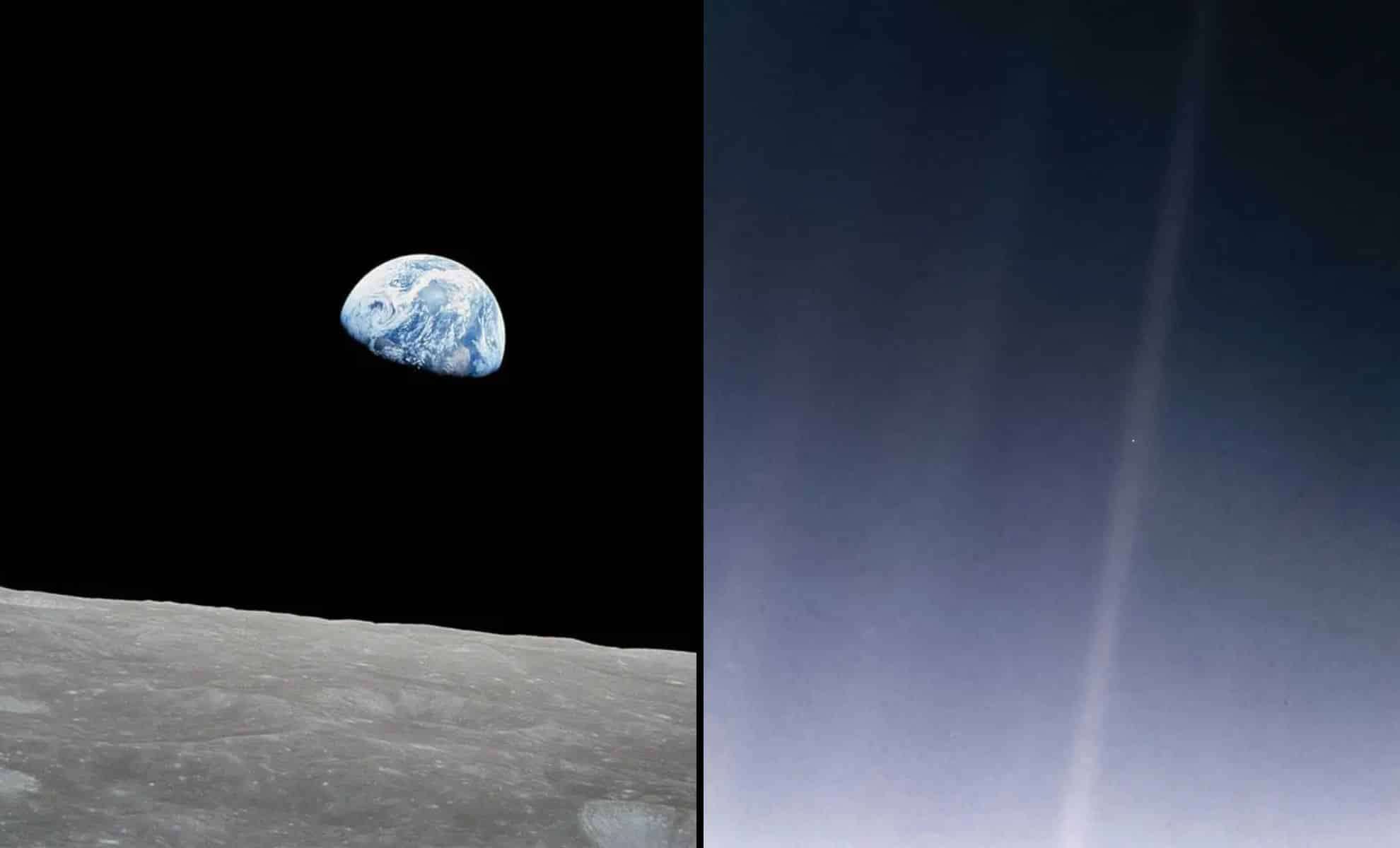
Pettit’s newest Milky Way photograph continues this legacy by reminding us of:
- The fragile envelope of Earth’s atmosphere acting as a vital shield against space’s vacuum.
- The majestic expanse of the Milky Way, showcased from an extraordinary, pollution-free vantage point.
- The enormous scale of the universe, emphasizing Earth’s place as a modest component within a vast galaxy.
- Categories:
- News









0 comments
Sign in to Comment