
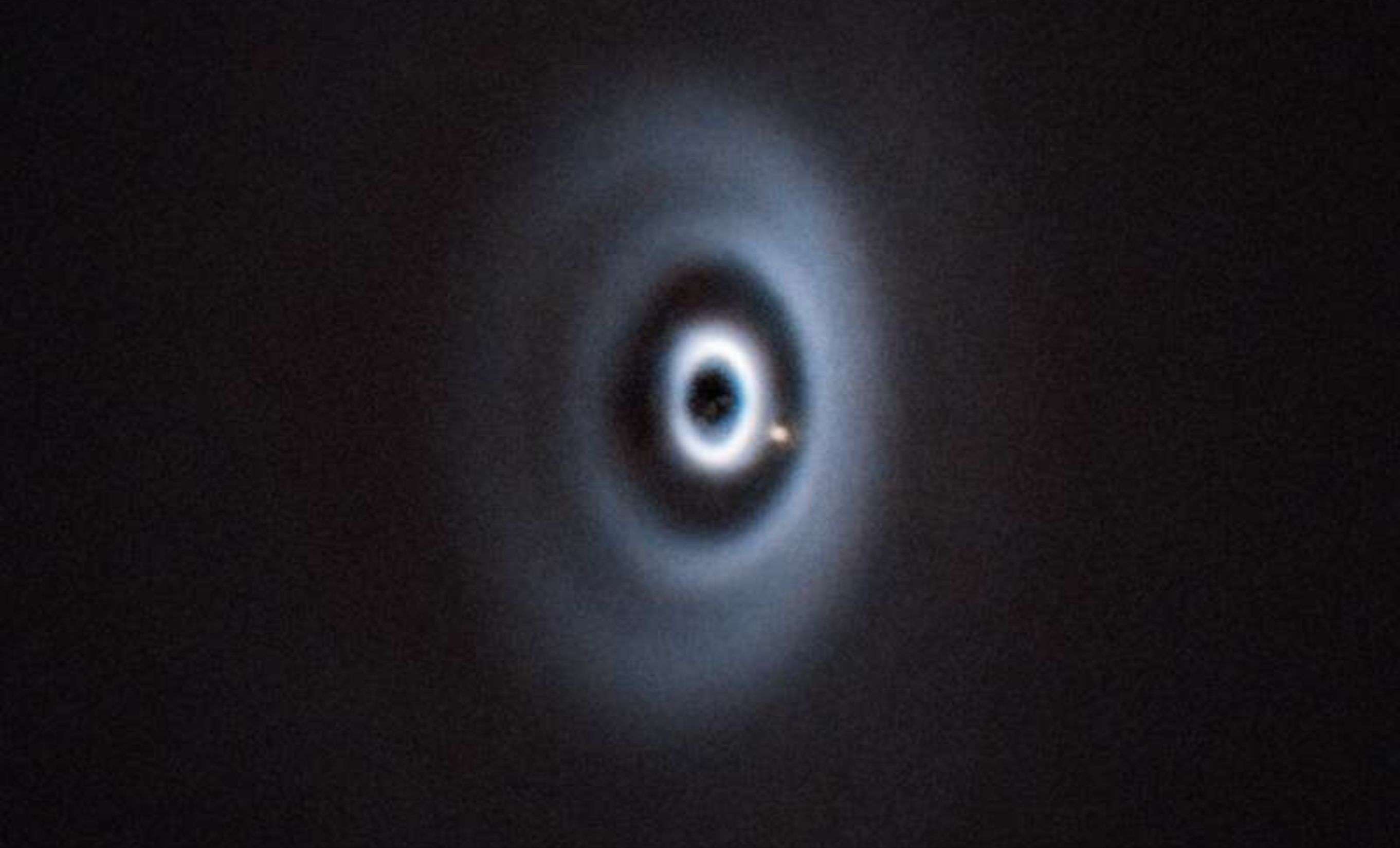
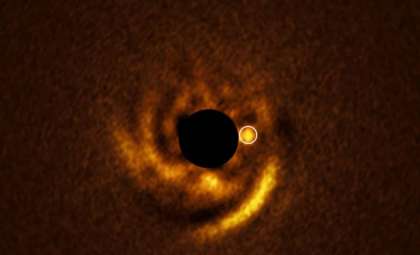
A global collaboration of astronomers has achieved a remarkable feat by obtaining a direct image of a massive planet in the midst of its formation within a complex ringed disk surrounding a young star. This event marks only the second confirmed observation of a planet captured at such an early stage. The findings, The Astrophysical Journal Letters published the study, led by experts from Leiden University, the University of Galway, and the University of Arizona. Their work offers exceptional insight into the nascent phases of planetary development, potentially transforming current models of solar system evolution.
A Remarkable Discovery Within a Stellar Disk
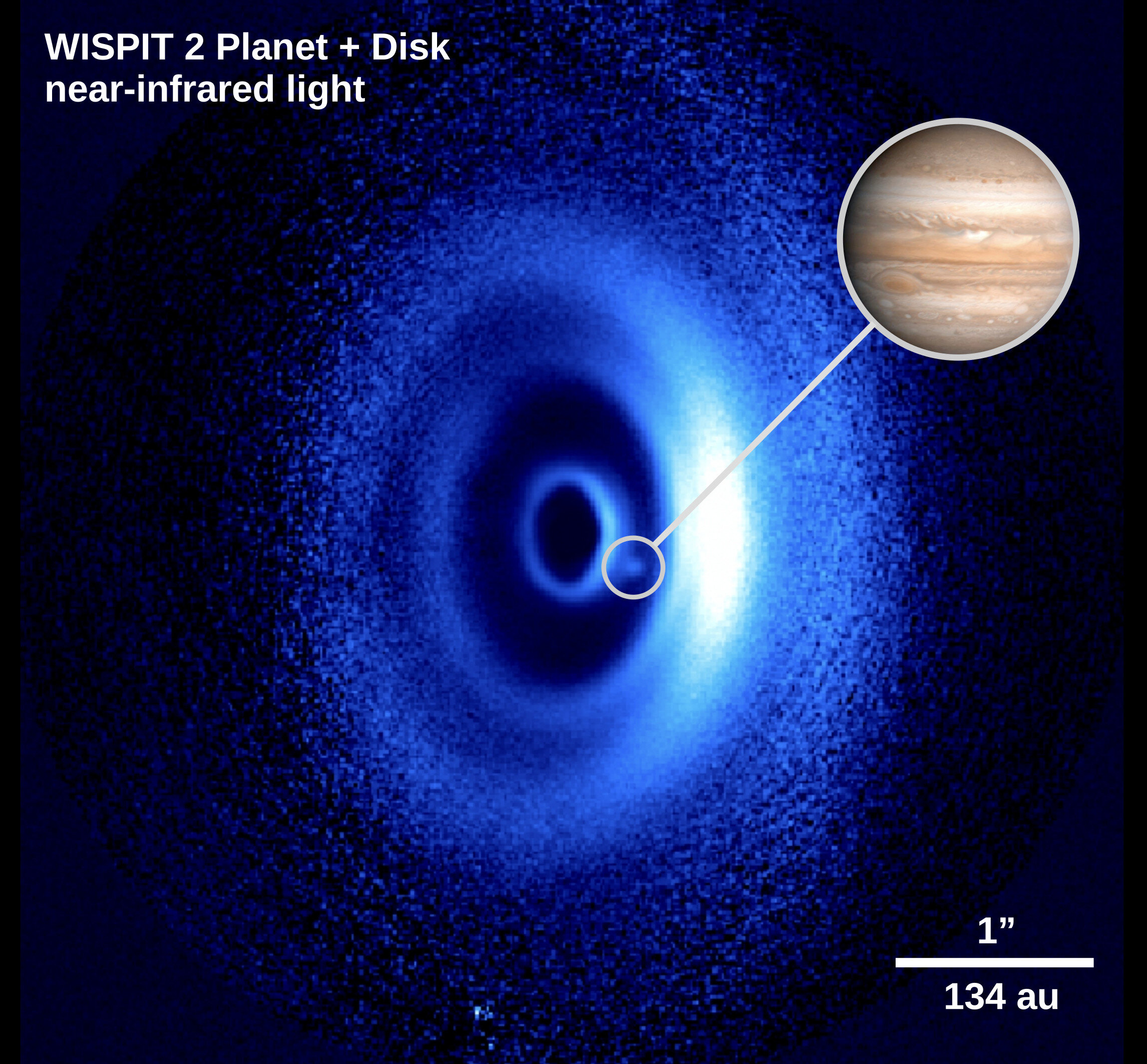
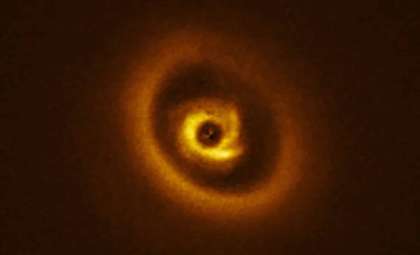
The planet, named WISPIT 2b, orbits a youthful, sun-like star in a sparsely studied group of stars. This find stands out not only due to the planet itself—a gas giant with a mass roughly five times that of Jupiter—but also because of its location embedded within an expansive protoplanetary disk made up of several rings stretching 380 astronomical units (380 times the distance from Earth to the Sun). Observations carried out with the European Southern Observatory’s Very Large Telescope (VLT) in Chile detected the planet glowing in near-infrared wavelengths, indicative of ongoing planetary formation processes.
The discovery was serendipitous. Researchers initially conducted brief snapshot observations of various youthful stars, aiming to identify possible planetary candidates. As Dr. Christian Ginski from the University of Galway explained, “Upon noticing this multi-ringed disk, we immediately requested deeper follow-up observations to investigate the presence of a forming planet.” These subsequent observations confirmed WISPIT 2b’s existence, making it the second young planet directly imaged and the first unequivocal detection within a multi-ringed protoplanetary disk, marking a breakthrough for astrophysical research.

WISPIT 2b: Illuminating Early Planet Formation
WISPIT 2b fills a crucial gap in understanding how planets form. While astronomers have catalogued thousands of exoplanets in various mature stages, capturing images of planets amid their chaotic formation phase has proven exceptionally difficult due to dust opacity and low luminosity. Here, the planet’s youth and heat make it visibly radiant in infrared, standing out against its dusty surroundings with the aid of advanced instruments.
Dr. Ginski highlighted the significance: “Imaging planets in formation is immensely challenging. This rare snapshot provides a firsthand look into why exoplanetary systems are so diverse compared to our own. The planetary system WISPIT 2b resides in will surely draw extensive attention from planet formation researchers.” Additional observations confirming emissions in visible light by a separate team from the University of Arizona reinforce that WISPIT 2b continues to accrete gas, actively shaping its atmosphere. This offers a unique observational window into planet-disk interactions that were once largely theoretical.
Unraveling the Mysteries of Multi-Ringed Disks
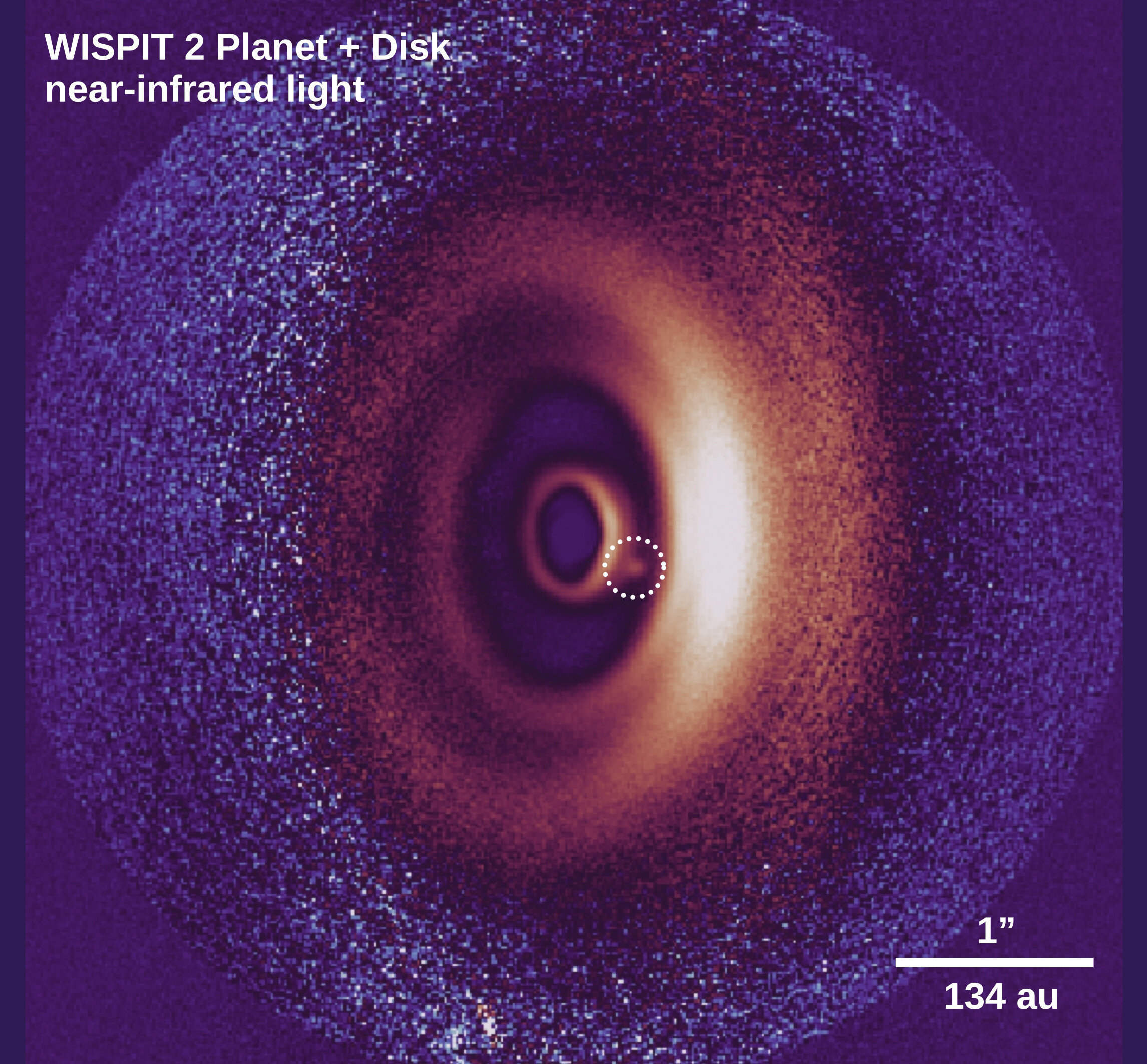
The disk hosting WISPIT 2b surprised astronomers with its complex makeup. Rather than an unbroken swirl of dust and gas, the system displays several smooth, concentric rings, believed to be sculpted by newly forming planets. These rings potentially influence how planets grow and move within the disk, yet connecting such structures directly to planet formation had remained unconfirmed until now.
This breakthrough not only proves WISPIT 2b’s existence but also supports the concept that substructures in protoplanetary disks are indicators of planet formation. The sharp, detailed imagery from the VLT sets a new observational benchmark, inspiring many research teams to prioritize continued study of WISPIT 2 in coming years.
Youthful Researchers Driving Major Discoveries
A notable highlight of this project is the leadership and involvement of early-career scientists. Ph.D. candidate Richelle van Capelleveen from Leiden University played a central role in coordinating observations and data interpretation. She shared, “Finding this planet was an incredible stroke of luck. WISPIT 2, akin to our sun in its youth, is located in a relatively uncharted stellar cluster. We did not anticipate uncovering such a compelling system, which is now poised to serve as an important reference in the future.”
Dr. Ginski also praised the young team members: “Having such talented early-career researchers spearheading this effort was a privilege. They represent the future of astrophysics, poised to lead further groundbreaking discoveries.” Graduate students from the University of Galway described their participation as “transformative” and “unforgettable,” emphasizing the exceptional opportunity that this high-impact discovery provides for the next generation of scientists.
- Categories:
- News








0 comments
Sign in to Comment