
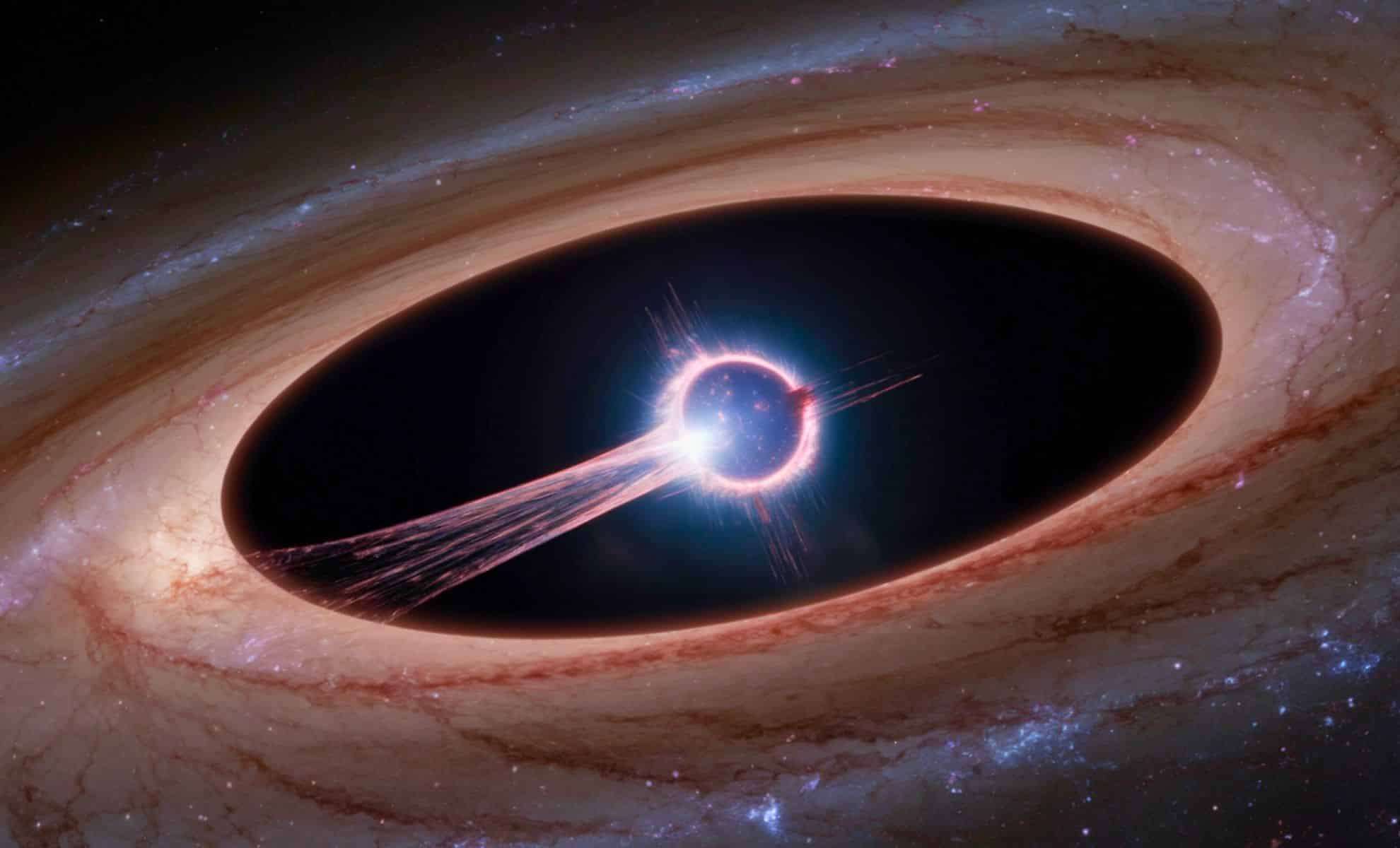
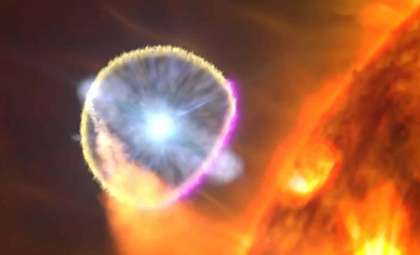
A colossal Wolf-Rayet star in the Cygnus X-3 binary system is hurtling towards its demise, being pulled apart by the intense gravity of what is believed to be a black hole. Situated about 32,000 light-years from Earth, this fascinating system has drawn immense scientific attention. Recent observations from the XRISM telescope have unveiled remarkable interactions between these cosmic giants. Yet, the central enigma persists: what exactly is the compact object anchoring this system?
Why Cygnus X-3 Poses Such an Astrophysical Puzzle
The Cygnus X-3 system in the Cygnus constellation comprises a massive Wolf-Rayet star orbiting closely with a small yet dense companion suspected to be a black hole. The duo completes a full orbit in less than five hours, creating extreme gravitational and energetic effects.
The Wolf-Rayet star’s stellar winds blow at staggering speeds of up to 1.5 million kilometers per hour, generating highly dynamic and turbulent regions near the compact object.

The intense heat and ionization of the star's gas produce X-ray emissions detectable despite the thick cosmic dust of the Milky Way. Thanks to the advanced capabilities of the XRISM telescope, a joint endeavor of JAXA and NASA, astronomers have spent over 18 hours analyzing these emissions. Their observations have painted an intricate picture of the gas flows and interactions within this captivating stellar system.
XRISM Delivers Groundbreaking Insights
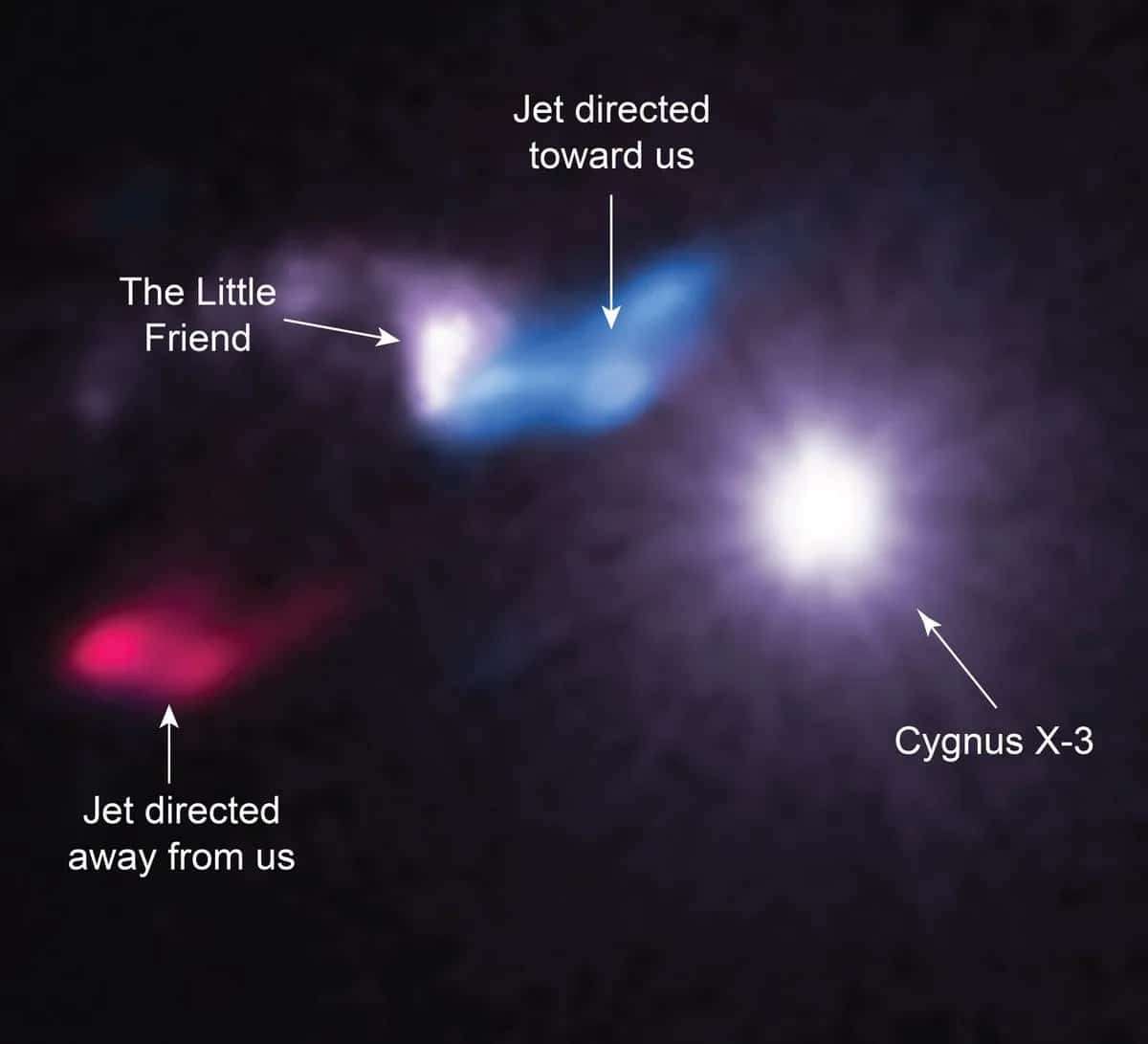
The XRISM telescope, developed through a partnership between Japan and NASA, has documented the blueshift effect in the massive star’s outflowing gas. The dominant portion of this gas is rushing toward Earth at extraordinary velocities, while a smaller component moves away at a lower speed.
This observation indicates the profound gravitational influence exerted by the suspected black hole at the system’s core. The data collected by XRISM promises to deepen our comprehension of the dynamics between massive stars and their compact companions.
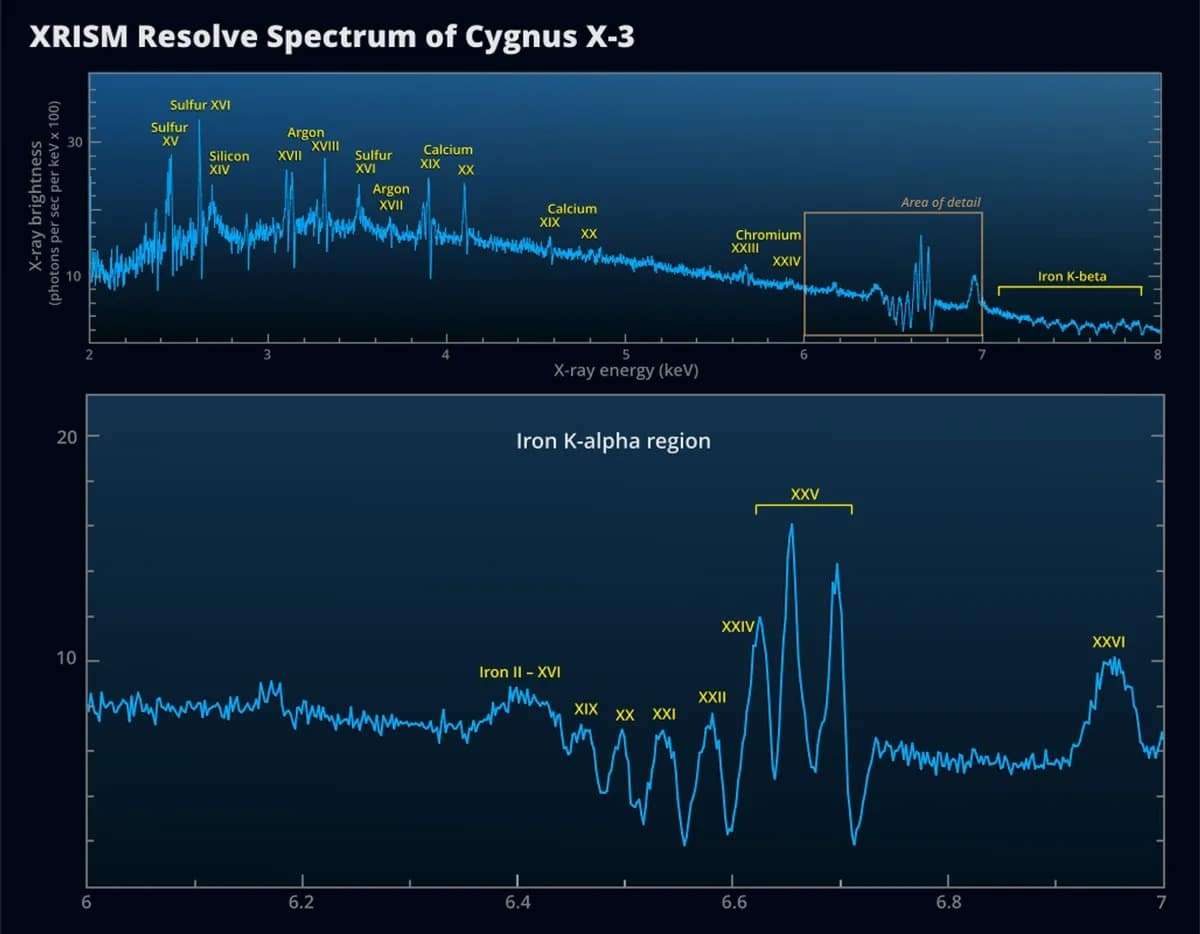
Through spectral data gathered by the Resolve instrument onboard the XRISM telescope, researchers noted pronounced absorption of X-rays, especially from ionized iron. These spectral features reveal the complex interplay of stellar winds colliding with the dense compact companion, reinforcing the idea that it is indeed a black hole. Nevertheless, the scientific community continues to debate, seeking further evidence to confirm the compact object’s true identity.
The Imminent Fate of the Star: Supernova or Black Hole?
Wolf-Rayet stars represent a scarce and exceptionally massive class of stars nearing their life’s end stage. Known for their fierce stellar winds and massive gas ejections, these stars can conclude their existence either through a dramatic supernova explosion or by collapsing into a black hole or neutron star. Watching this evolutionary process offers a rare window into the ultimate fates of massive stars and the birth of black holes.
The Unfolding Enigma of Cygnus X-3
Despite XRISM’s revolutionary findings, the definitive nature of the compact object at Cygnus X-3’s heart remains elusive. While the detection of ionized gases and the strong blueshift suggest a massive gravitational presence, confirming this object as a black hole requires additional scrutiny.
In the near future, a detailed analysis of the XRISM observations will be published in the Astrophysical Journal, offering further insights into this captivating stellar system. Continued investigations may soon lift the veil on the mysteries of Cygnus X-3, shedding light on the behaviors of black holes and their energetic surroundings.
- Categories:
- Astronomy ,
- Space






0 comments
Sign in to Comment