
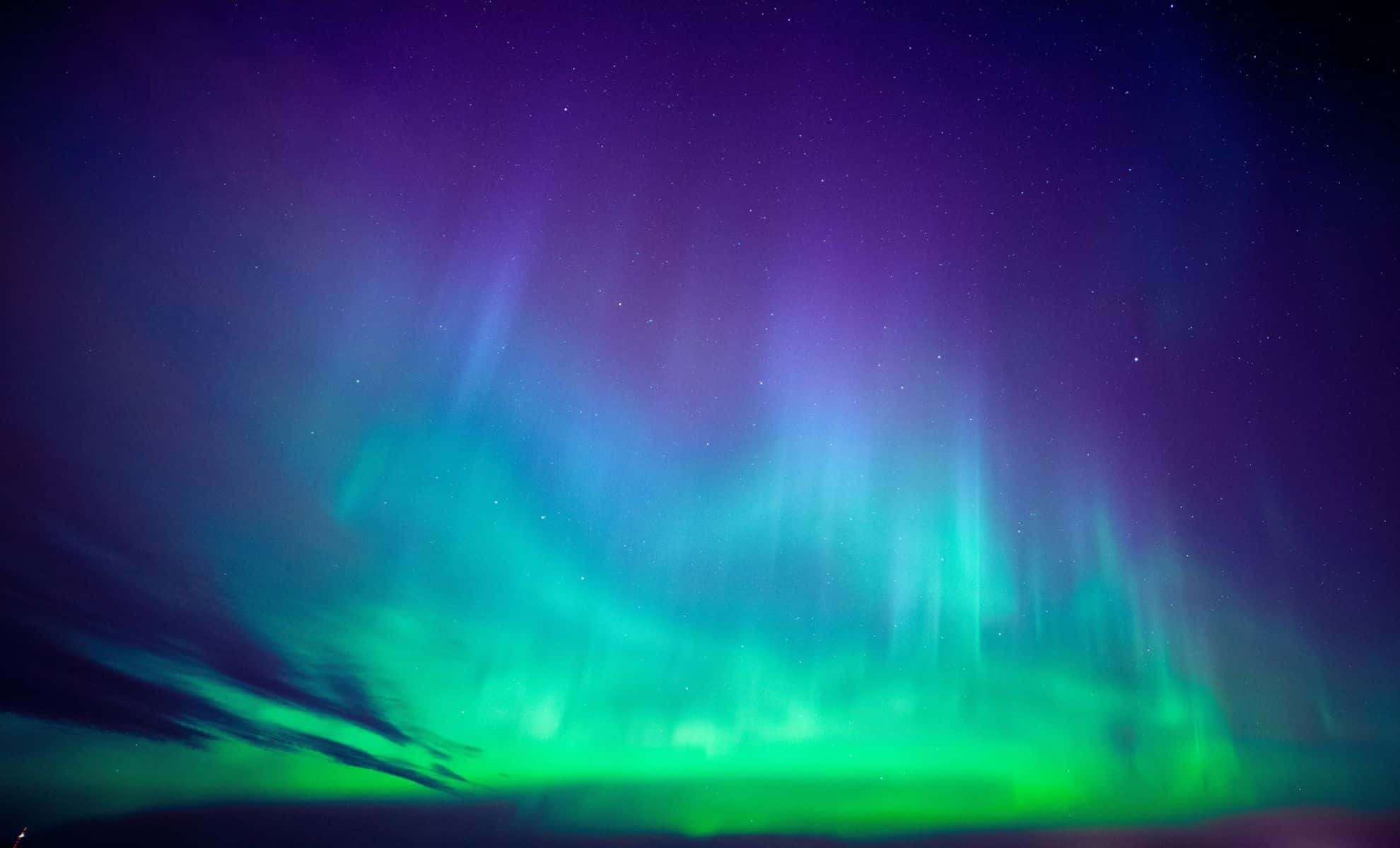
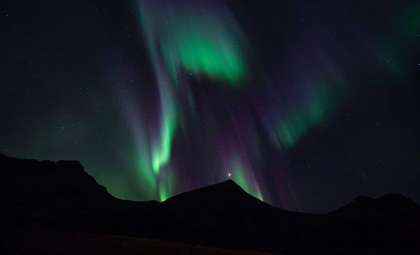
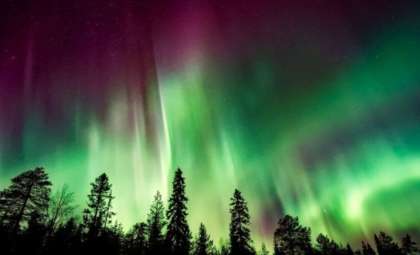
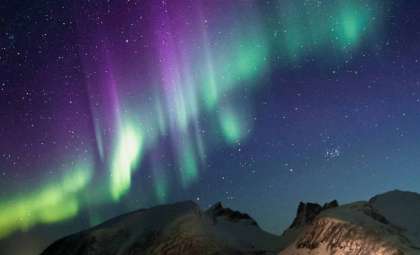
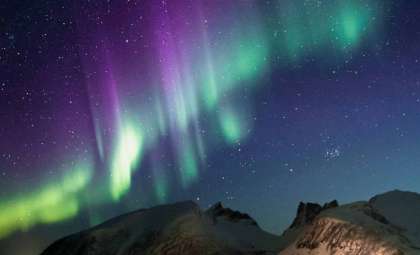
An incoming geomagnetic storm is capturing attention as it is set to unveil the breathtaking aurora borealis, commonly known as the northern lights, across 14 states in the United States. On June 24 and 25, 2025, a mild geomagnetic event forecasted by the National Oceanic and Atmospheric Administration (NOAA) will create a rare spectacle visible further south than usual. This occurrence coincides with a significant surge in solar activity during the solar maximum, an 11-year cycle peak, offering an uncommon chance to observe the aurora beyond the northernmost regions.
The Space Weather Prediction Center (SWPC) under NOAA keeps a close watch on such phenomena through its aurora dashboard, providing live insights derived from solar wind readings. These updates are essential for enthusiasts aiming to witness the lights before they fade. NOAA’s aurora dashboard delivers indispensable information on solar wind strength and other factors influencing the visibility of the aurora.
Understanding the Origins of the Northern Lights
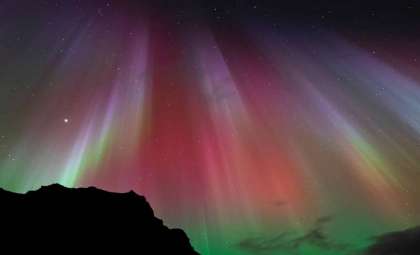
The spectacular colors of the aurora borealis arise when particles from the sun’s solar wind interact with Earth’s magnetic field and collide with atmospheric gases such as oxygen and nitrogen. These collisions excite the gas atoms, releasing photons that manifest as vibrant light displays. The varying hues and forms depend on the type of gas affected and the height where these collisions occur.

Visibility of the aurora is linked to geomagnetic storms triggered by heightened solar activity. When the sun emits solar flares and coronal mass ejections (CMEs), they perturb Earth’s magnetic environment, intensifying the spectacle. The ongoing solar maximum amplifies these disturbances, increasing the chance of auroral sightings at lower latitudes.
States That Will Experience the Aurora Lights
The minor geomagnetic storm on June 24 and 25 will likely illuminate the night skies across 14 U.S. states. These include Washington, Idaho, Montana, Wyoming, North Dakota, South Dakota, Minnesota, Wisconsin, Michigan, Iowa, New York, Vermont, New Hampshire, and Maine. Northern border areas have the highest likelihood of a clear sighting, though southern locations might still catch glimpses given minimal light pollution.
Specialists advise those eager to watch the aurora to seek dark, rural spaces away from urban light to maximize visibility. The optimal viewing window generally falls between sunset and early morning before dawn when the aurora is most pronounced. Since geomagnetic activity can be unpredictable, monitoring real-time forecasts is recommended to improve chances of seeing this stunning natural light show.
Tracking Aurora Activity in Real Time
While it remains challenging to pinpoint the exact timing and position of the aurora borealis, NOAA offers forecasts using data on solar wind and geomagnetic conditions. Additionally, satellites like NASA’s DSCOVR and ACE, situated about one million miles from Earth, provide advance warnings up to 30 minutes before the aurora appears. The DSCOVR satellite’s data plays a crucial role in refining NOAA’s predictions for aurora timing and strength, enabling timely public alerts.
For those tracking auroral displays closely, apps such as the Glendale App offer live alerts and short-term forecasts. Monitoring these 30-minute updates can help viewers be ready for the peak of aurora activity.
Duration and Impact of the Upcoming Geomagnetic Storm
The anticipated storm on June 24 and 25 is classified as a minor event, rated G2 on the G1 to G5 scale. Despite its moderate strength, it is expected to produce visible auroras in areas that usually do not experience them. Such storms are more common as we approach the peak of the current solar cycle, which is forecasted to continue until 2026, potentially leading to more frequent aurora sightings in the near future.
Although this storm poses minimal risk to technology such as satellite systems and communications networks, it offers a thrilling occasion for skywatchers. More intense events rated G3 or higher, which can disrupt these systems, are rare but monitored carefully.
- Categories:
- News




0 comments
Sign in to Comment