
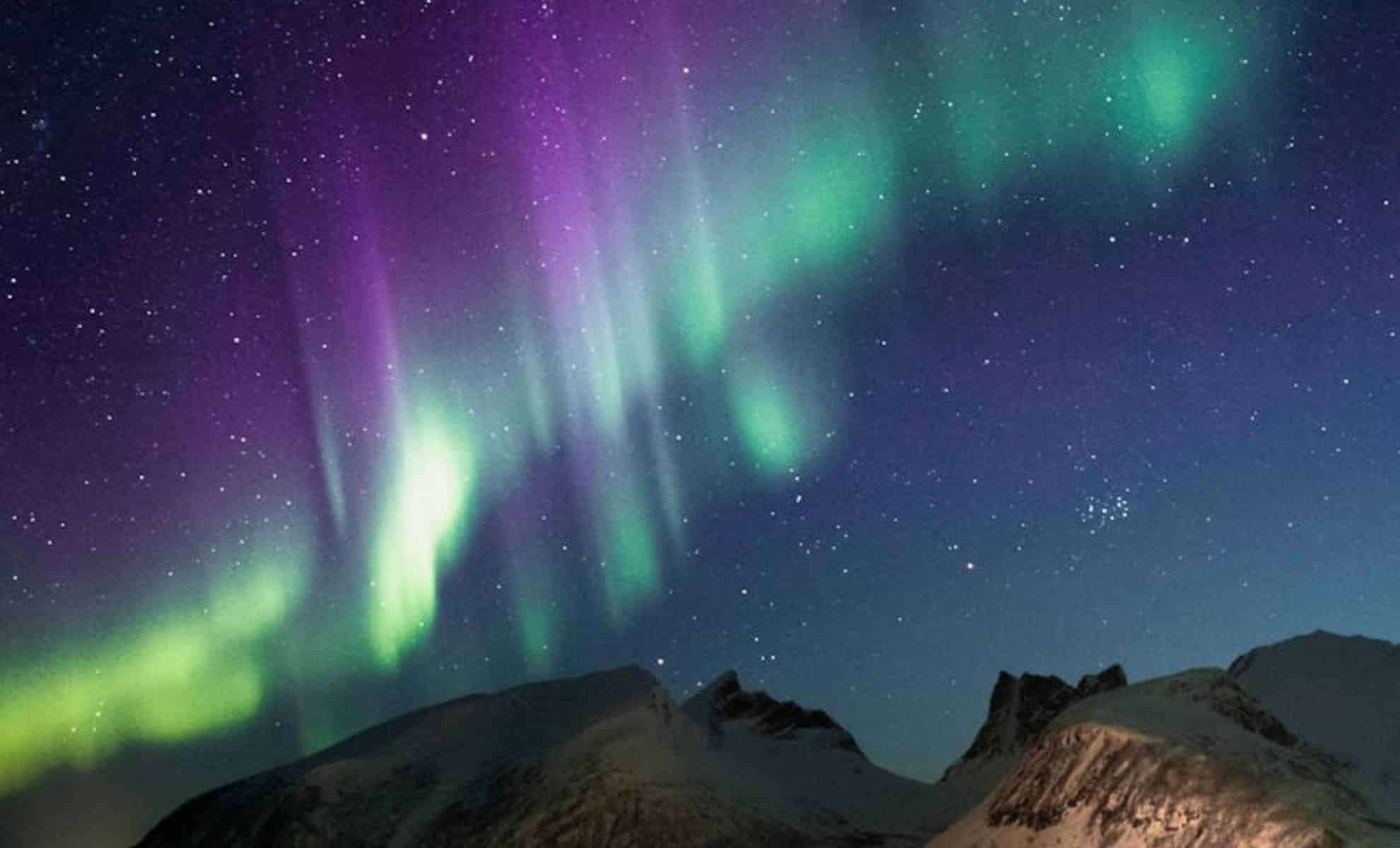
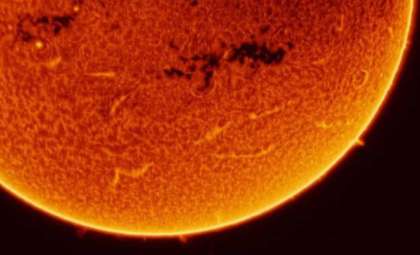
A powerful geomagnetic storm is expected to produce a rare display of the northern lights across various regions of the United States this evening. At least 10 states could witness these captivating auroras as a coronal mass ejection (CME) from the Sun interacts with Earth’s magnetic environment, according to the National Oceanic and Atmospheric Administration (NOAA). This event may bring the aurora borealis farther south than typically observed.
Regions Primed for Aurora Sightings Tonight
NOAA’s 3-day forecast indicates that the northern lights might be visible from the night of March 4 through the early hours of March 5. The highest likelihood is in northeastern Washington, northern Montana, North Dakota, northern Minnesota, and northern Michigan. Additionally, northern Idaho, South Dakota, Wisconsin, northern Wyoming, and northern Maine have a smaller chance to catch the glow.
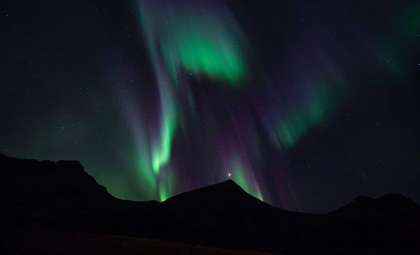
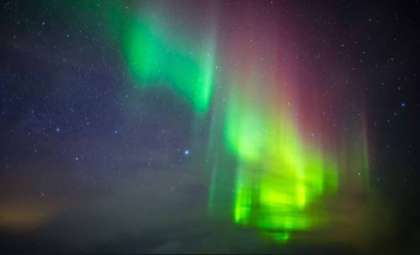
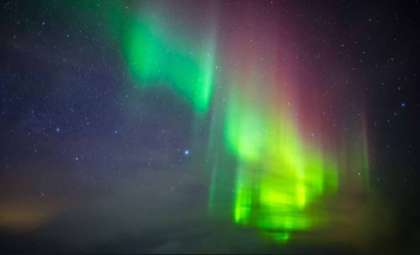
Although Alaska and Canada will continue to showcase the most intense auroral displays, this G1-class geomagnetic storm is poised to stretch the auroral oval southward, offering residents of northern U.S. states a rare glimpse of green, red, and purple atmospheric illuminations.

The Science Behind Auroras and Solar Storms
Auroras emerge when solar wind particles collide with Earth's magnetic field, exciting atmospheric atoms and creating visual light shows at high altitudes. These phenomena are usually centered near polar areas, yet significant geomagnetic storms—like this one—expand the auroral oval, allowing lower latitude locations to observe the lights.
This storm follows a series of heightened solar events, including multiple solar flares and CMEs. NOAA researchers report that Solar Cycle 25 is exhibiting stronger activity compared to the previous cycle, leading to more frequent and vivid aurora occurrences.
Real-Time Aurora Monitoring Tools
Because aurora displays can be unpredictable, continuous monitoring of space weather updates is crucial. NOAA’s Space Weather Prediction Center offers a 30-minute aurora forecast, evaluating solar wind and geomagnetic status in real time.
Spacecraft such as NOAA’s DSCOVR and ACE satellites track incoming CMEs, providing observers with 15 to 30 minutes of advance notice before significant geomagnetic disturbances begin. These brief windows require enthusiasts to stay vigilant and check forecasts regularly during the night.
Tips for Optimal Northern Lights Viewing
Enhance your aurora viewing experience by following these suggestions:
- Select a dark, open spot away from urban light pollution.
- Look toward the northern horizon, as auroras will appear lower in the sky at these southern latitudes.
- Plan to watch between 10 p.m. and 2 a.m. local time, the prime hours for aurora visibility.
- Use a camera with a long exposure setting to better capture auroras, which may look faint to the naked eye.
An Exciting Chance to See Auroras in the U.S.
With the Sun approaching its peak phase in Solar Cycle 25, heightened geomagnetic storm activity and widespread auroras are anticipated over the coming years. While tonight’s event may not produce dazzling auroras everywhere, it highlights an increasingly active Sun, making this period thrilling for stargazers throughout North America.
If you reside in one of the states likely to see the aurora or simply enjoy tracking these celestial events, tonight's geomagnetic storm could be an ideal opportunity to step outdoors and gaze upward.
- Categories:
- News





0 comments
Sign in to Comment