
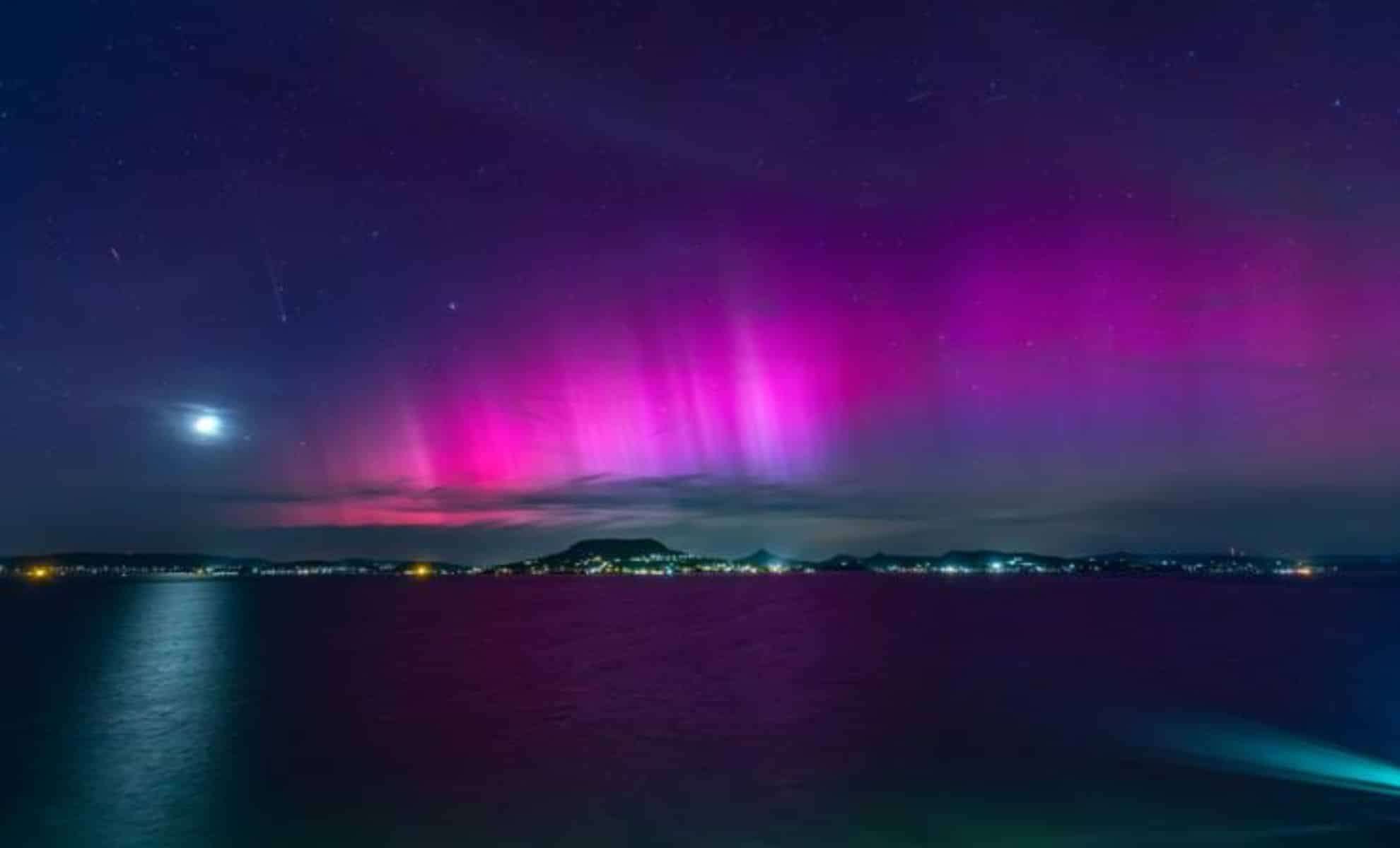
The aurora borealis, commonly known as the northern lights, is expected to light up skies across parts of Canada and northern U.S. regions this weekend.
This spectacular natural phenomenon follows recent geomagnetic disturbances that have pushed the visibility of the auroras far beyond their usual northern boundaries. Such occurrences are infrequent and offer a breathtaking chance for enthusiasts to observe this luminous sky show.
Top Spots and Timing for Viewing
According to the National Oceanic and Atmospheric Administration (NOAA), this weekend’s aurora activity should be visible across the majority of Canada and northern U.S. states. The highest chances of catching the display include locations in:

- Maine
- New Hampshire
- Vermont
- New York
- Michigan
- Wisconsin
- Minnesota
- South Dakota
- North Dakota
- Wyoming
- Montana
- Idaho
- Washington
Visibility is strongest near the U.S.-Canada border and intensifies further north in Alaska and northern Canada.
The prime window for observing the aurora is late Saturday night through early Sunday morning, especially within about two hours surrounding midnight, when geomagnetic activity tends to peak. This period marks the moment when charged solar particles most actively collide with Earth's magnetic field, sparking the vivid light display.
Cloud cover and light pollution can adversely affect viewing conditions. The NOAA encourages watchers to pick dark, rural locations away from urban lighting to enhance visibility. Less ambient light means the auroras will appear sharper and more intense.
Understanding Geomagnetic Storms and the Aurora
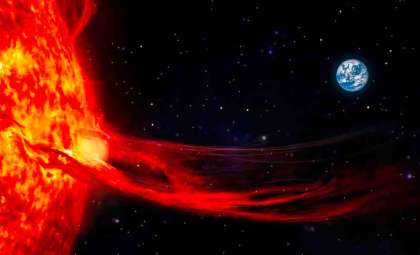
The recent surge in auroral activity stems from a powerful geomagnetic storm triggered by a solar plasma eruption. This event, which happened in early May, produced sightings of the northern lights as far south as Florida—a highly unusual occurrence.
The NOAA issued its first geomagnetic disturbance warning in nearly two decades due to "moderately intense" solar activity. Earlier this month, auroral displays returned after another geomagnetic storm, although it did not match the extensive reach of the previous event. These storms are linked to the sun's 11-year solar cycle, which regulates how often and how strongly they occur.
According to NOAA, the aurora typically manifests as a green oval shape, shifting to red tones when activity intensifies. The different hues arise from interactions with various atmospheric gases at different altitudes.
Oxygen at higher altitudes (up to 200 miles) can cause red auroras, whereas at lower altitudes (up to 60 miles), it often creates green glows. Nitrogen molecules can contribute to blue or purple-red tinges. Auroras are generally visible just after sunset or shortly before sunrise but are hidden during daytime due to sunlight overpowering the glow.
Tips for the Best Viewing Experience
For optimal aurora viewing, NOAA suggests distancing yourself from city lights and choosing open, dark locations with a clear northern horizon. Ideal spots are far removed from urban light pollution. Allow your eyes to adjust to darkness, normally 20 to 30 minutes, to better appreciate the display. Using red-light flashlights instead of white helps preserve night vision.
The aurora borealis is more than a captivating spectacle—it symbolizes the dynamic link between Earth and the sun. The solar wind’s interaction with Earth’s magnetic field produces both the visual phenomenon and impacts technologies like satellite operations and power grids. Understanding these effects is vital for scientific inquiry and practical applications.
Scientific Insights into the Northern Lights
The creation of the aurora borealis is driven by solar wind—streams of charged particles emitted by the sun—which interact with Earth’s magnetosphere. These collisions with atmospheric gases produce visible light, a process akin to neon lighting. Different gases emit distinct colors: oxygen generates green most commonly, while nitrogen can produce blue or purple shades.
The strength of auroral activity is gauged by the Kp index, ranging from 0 to 9. Higher values indicate more intense geomagnetic storms and increase the chance of observing the aurora farther south. For instance, a Kp index of 7 could make the northern lights visible down to New York City.
The aurora borealis not only offers awe-inspiring visuals but also aids research into Earth’s magnetic environment and space weather. Insights gained inform strategies for protecting satellites and communication systems from solar disturbances.






0 comments
Sign in to Comment