
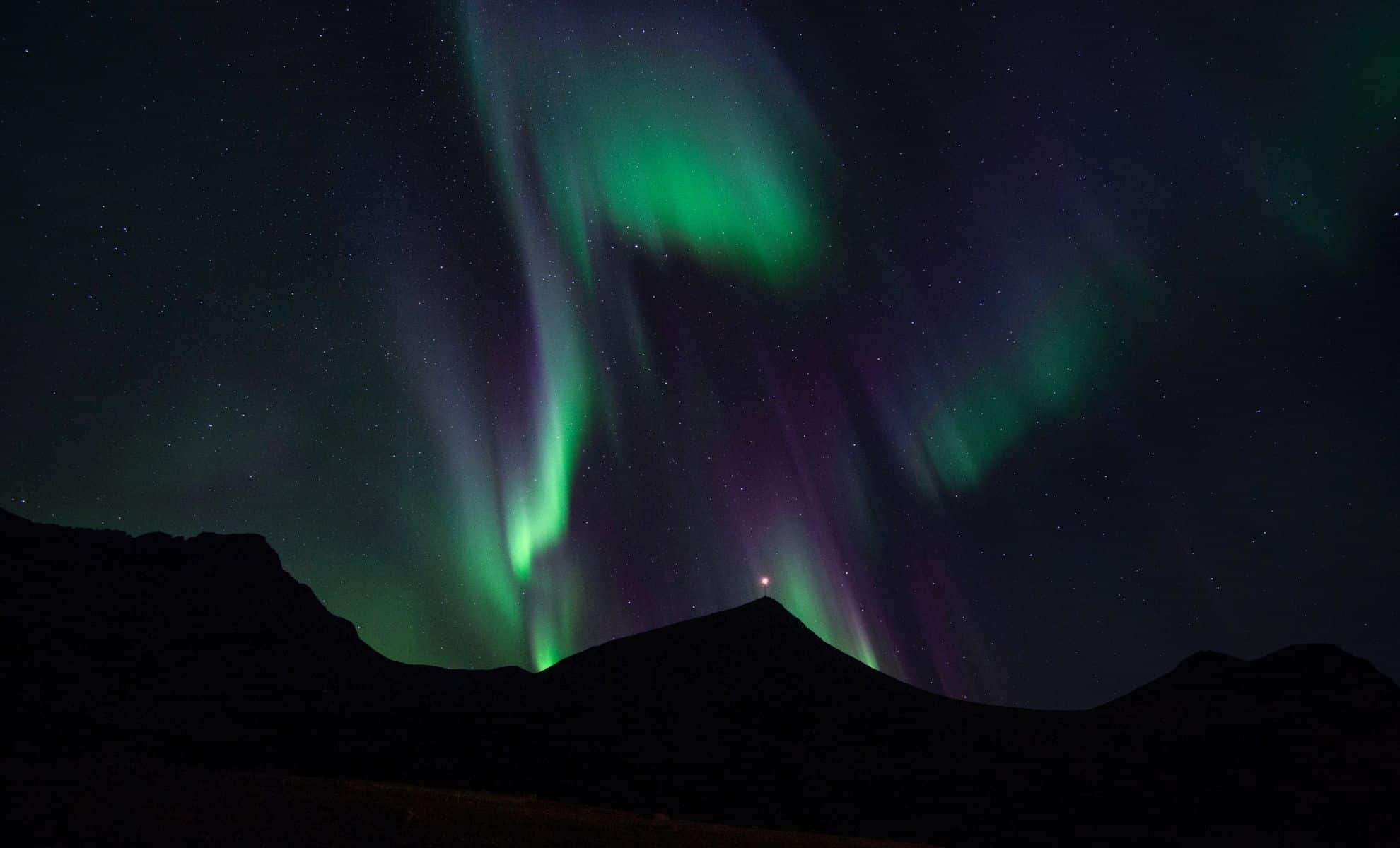
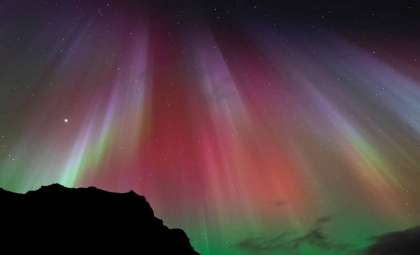
A remarkable cosmic event is set to illuminate the skies across much of the United States, offering a rare chance to view the northern lights.
A powerful geomagnetic storm has intensified the forecast for the aurora borealis, elevating it to a "severe" classification. This means the ethereal light display could be visible in regions far south of where it is normally seen. The captivating celestial show is anticipated to unfold over the coming days, allowing many across the country, including those in typically low-activity southern states, to witness this extraordinary phenomenon.
Extended Reach for Aurora Visibility
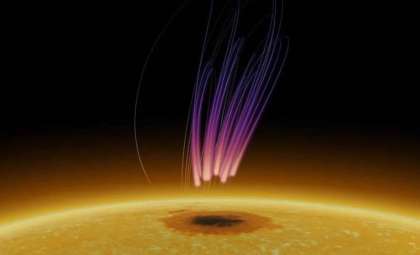
The Space Weather Prediction Center (SWPC) has designated this storm as G4, indicating a strong disturbance within Earth’s magnetic shield triggered by solar particles bombarding our atmosphere. When these charged particles collide with atmospheric gases, they produce the luminous colors that define auroras. Jamie Carter from Forbes noted the uncommon nature of such events: “Severe geomagnetic storms like this are not common, and when they happen, they tend to push the boundaries of where auroras can be seen.”

This particular geomagnetic storm’s intensity means that areas less accustomed to auroras have a higher likelihood of observing them over the next several days.
According to NOAA, the following states could experience vivid aurora displays:
- Texas
- California
- Oregon
- Nevada
- Montana
- Wyoming
- North Dakota
- Minnesota
- Michigan
- New York
- Vermont
Best Times for Auroral Viewing
For those eager to catch the aurora borealis, timing will be critical. While aurora appearances can shift unpredictably, specialists suggest the prime viewing window is around midnight when skies reach their darkest. Observers located in southern or urban areas should seek out dark, rural locations with minimal light pollution to maximize their chances. Elevated sites also provide better vantage points for catching the shimmering lights.
The geomagnetic storm is projected to peak between October 9 and 11. Skywatchers are encouraged to keep tabs on live updates via resources like the SWPC website or specialized apps to stay informed about auroral activity. Because viewing conditions may fluctuate quickly, staying updated will improve the likelihood of a successful sighting.
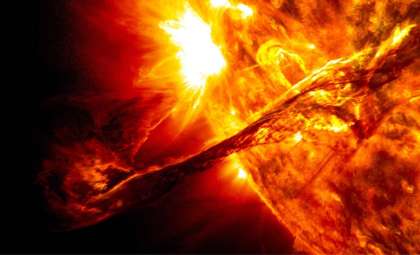
A fast CME erupted from the Sun the evening of 8 Oct and is likely to arrive at Earth on 10 Oct. This CME has been analyzed and there is potential to reach G4 levels upon arrival and throughout CME passage. Visit https://t.co/89xOZCTfxh for the full story. pic.twitter.com/WpjSvmOxSS
— NOAA Space Weather Prediction Center (@NWSSWPC) October 9, 2024
Tips for Observing and Photographing the Aurora
The northern lights show best late at night, often between 10 p.m. and 2 a.m., when Earth’s magnetic alignment favors interaction with solar winds. States including Montana, North Dakota, and Michigan are likely to see the brightest displays during these hours.
Photographers aiming to capture the spectacle should use a DSLR or mirrorless camera with manual controls, setting exposures between 10 and 20 seconds to gather sufficient light. Stability is crucial—mounting the camera on a firm tripod will ensure sharp, clear images.
Future Prospects for Aurora Viewing
This geomagnetic storm is tied to the solar cycle, an approximately 11-year rhythm of solar activity. We are nearing the peak phase, which could lead to more frequent and intense northern light events in the near future. This increase means that southern states may enjoy more opportunities to observe auroras than in past years.
If this storm matches expectations, it may signal the start of a series of strong solar storms in upcoming months. The sun’s growing activity suggests that thrilling auroral displays could become a regular occurrence, even for areas outside the typical auroral zone. People who miss this event might soon find another chance, as similar major geomagnetic disturbances are forecasted to occur more frequently in the coming years.
Space weather experts continue to track solar dynamics closely, promising a wealth of mesmerizing aurora viewing into 2025. These phenomena not only captivate spectators but also underscore the profound influence solar activity exerts on Earth’s technological systems and natural environment.
- Categories:
- News






0 comments
Sign in to Comment