
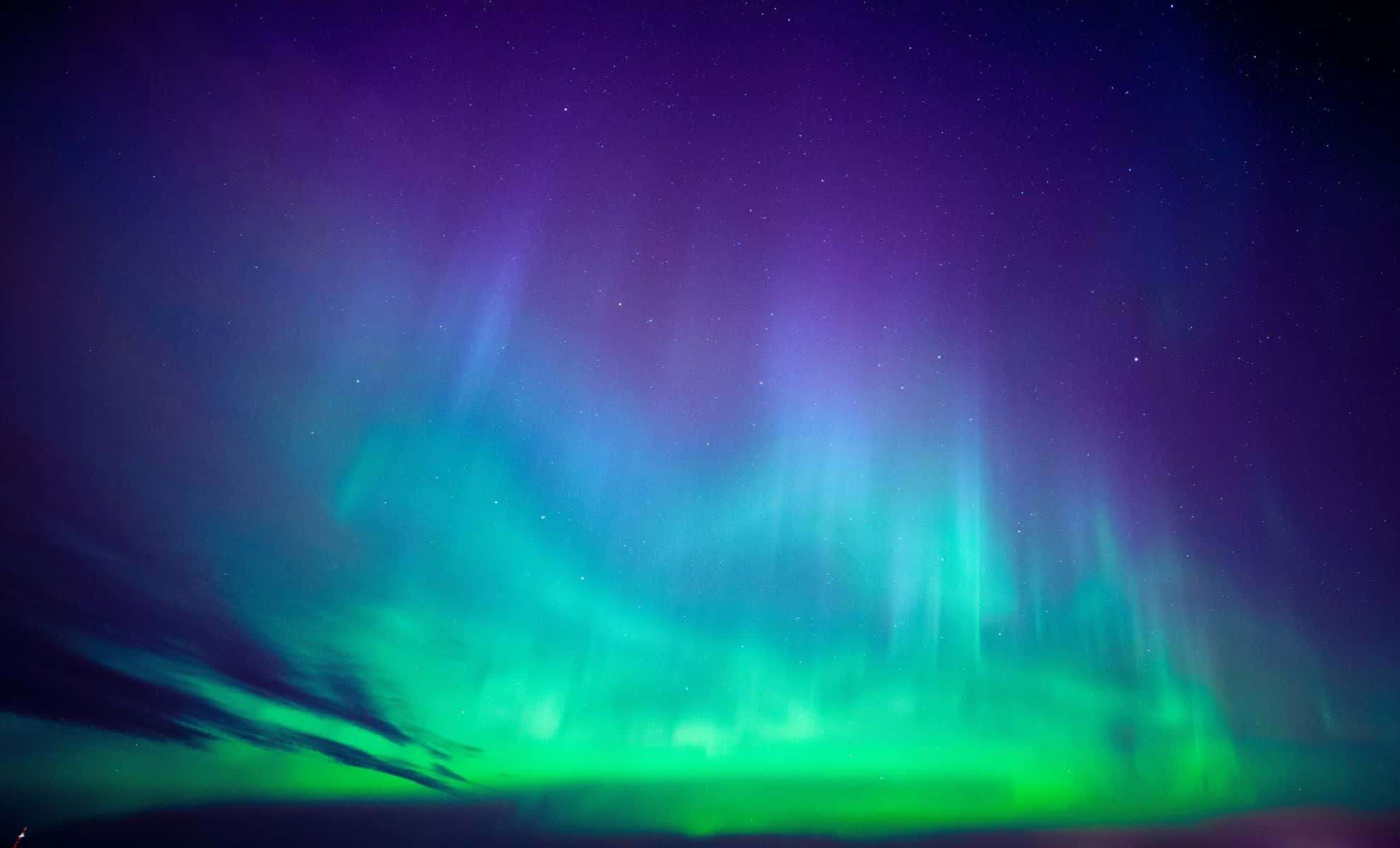
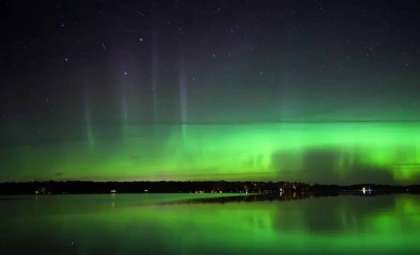
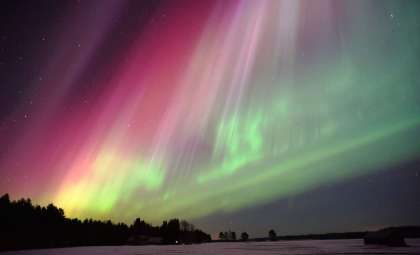
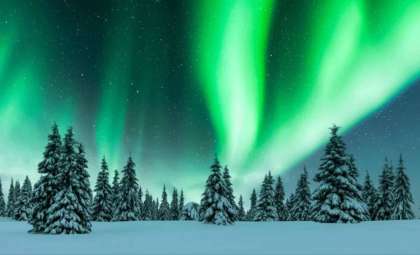
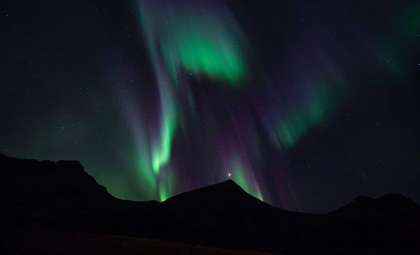
On the evening of August 7-8, 2025, a spectacular display of the northern lights could be visible stretching from Alaska all the way to Illinois. This exciting event is the result of a solar storm sparked by a coronal mass ejection (CME), expected to send geomagnetic disturbances rippling through Earth's magnetic field. The Space Weather Prediction Center (SWPC) at NOAA has issued a minor to moderate geomagnetic storm alert (G1-G2), raising the likelihood that auroras could be spotted much further south than usual. NOAA's forecasting as of August 5 highlights an uptick in space weather activity around this time, indicating a strong chance of auroral displays during that night.
According to Space.com, this geomagnetic event may allow residents across 18 states to witness the Northern Lights, providing a rare and captivating experience for viewers nationwide.
The Science Behind Auroras and Geomagnetic Storms
The mesmerizing auroras are caused by energetic particles from the Sun interacting with Earth's magnetic field and atmosphere. As solar winds and CMEs send charged particles hurtling toward Earth, they collide with gases in the upper atmosphere, resulting in the distinctive glowing lights. The intensity of the geomagnetic storm largely dictates how far south these auroras can travel. NOAA forecasts suggest that during August 7-8, geomagnetic storm levels between G1 and G2 are likely, with a slight chance of G3 conditions. This means northern states including Illinois could witness these lights, and in favorable conditions, some sightings might even extend further south.

Although spotting the aurora is a thrilling goal for many, it remains somewhat unpredictable. Even moderate geomagnetic activity can produce auroras visible in regions far south of their usual range, but local weather and timing play crucial roles in the actual visibility. Therefore, enthusiasts should stay prepared for brief viewing windows and variable conditions.
NOAA’s Three-Day Space Weather Forecast Insight
NOAA’s three-day outlook is an essential resource for understanding how solar activity will evolve and influence Earth’s magnetic environment. For those eager to experience this celestial show, the forecast pinpoints key times for potential aurora sightings. The incoming CME is projected to cause geomagnetic activity starting as early as 11:00 PM EDT on August 7 (03:00 GMT August 8), with the storm expected to peak between 2:00 AM and 5:00 AM EDT on August 8. Observers in the northern U.S. are advised to watch the skies particularly during these overnight hours for heightened auroral chances.
This forecast aligns with the SWPC’s G1-G2 alert, reinforcing expectations for geomagnetic disturbances during these hours. NOAA’s updated forecasts serve as invaluable guides to help skywatchers identify the best locations and timing to catch the northern lights in action.
Predicted Visibility of the Aurora on August 7-8
According to NOAA and outlined by Space.com, the auroral oval—the atmospheric zone where auroras typically occur—is expected to expand southward during this period. The 18 U.S. states positioned within this expanded viewing range include:
- Alaska
- Montana
- North Dakota
- Minnesota
- Wisconsin
- Michigan
- Maine
- South Dakota
- Vermont
- New Hampshire
- Idaho
- Washington
- Oregon
- New York
- Wyoming
- Iowa
- Nebraska
- Illinois
The strength of the geomagnetic disturbance will dictate how far south viewers can enjoy the lights. Areas like Alaska and northern states such as Montana, North Dakota, and Minnesota have the greatest odds of catching the fullest displays. However, stronger-than-anticipated solar activity could push the auroras even farther south, offering a surprise spectacle to more locations. For those hoping to witness this natural wonder, it’s wise to keep watch and be ready as conditions develop.
- Categories:
- News


0 comments
Sign in to Comment