
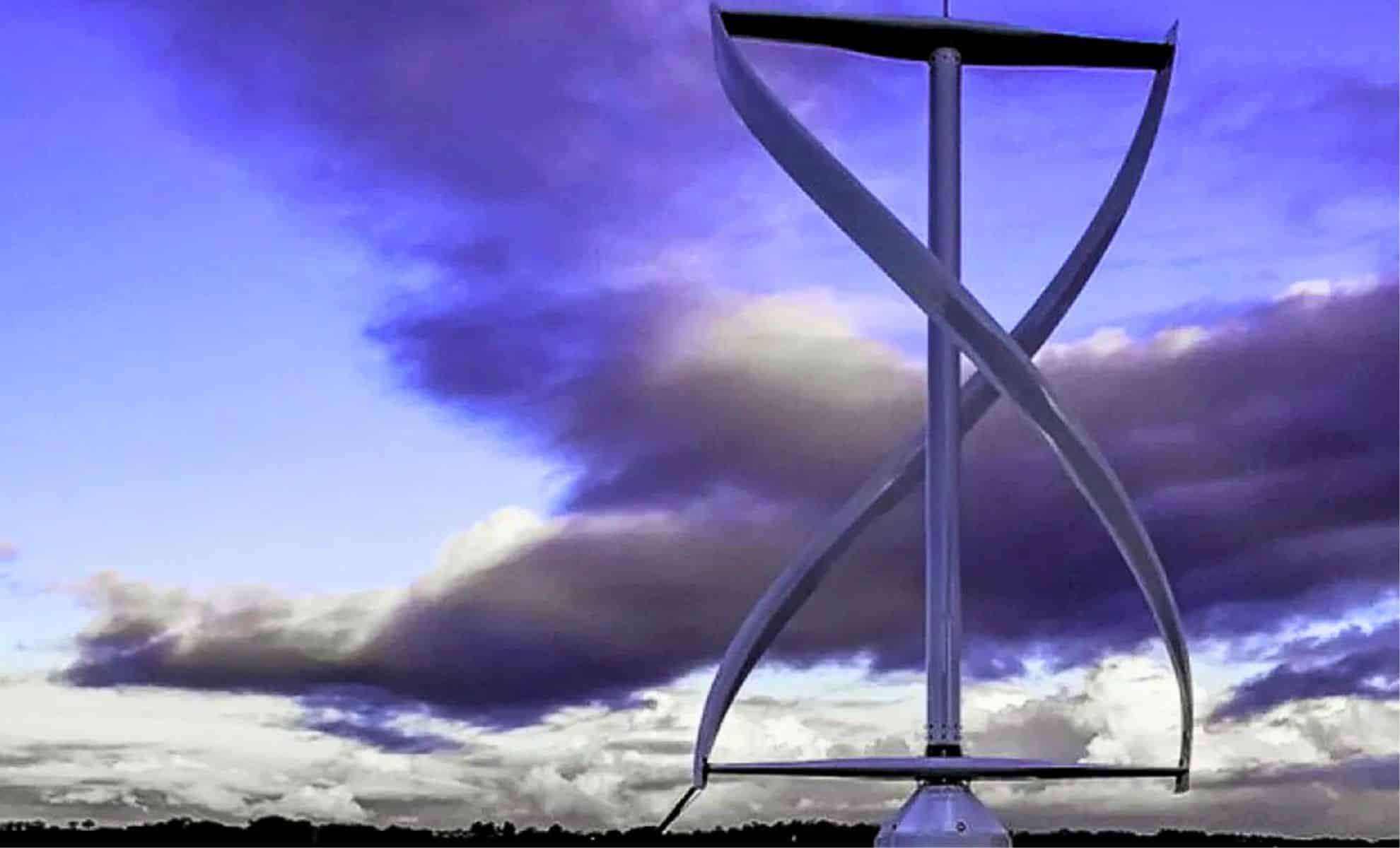
Australia is preparing to pioneer a breakthrough in wind power technology by testing a 6kW vertical-axis wind turbine (VAWT) near Adelaide. This cutting-edge design, created through a partnership between Flinders University and the start-up VAWT-X Energy, promises a quieter, more flexible, and economically efficient option for generating clean energy in cities, farms, and industrial zones.
Should this project succeed, it has the potential to accelerate Australia’s plan to reach 100% renewable energy by 2027 and transform wind energy methods worldwide.
Innovating Wind Power Technology
Conventional wind power primarily relies on horizontal-axis wind turbines (HAWTs), the iconic large, three-blade structures in open wind farms. Although effective, these turbines need steady wind direction, ample space, and ongoing upkeep, factors that restrict their broader application.

By contrast, vertical-axis wind turbines (VAWTs) present multiple advantages:
- Omnidirectional function: They capture wind from any direction, ideal for sites with inconsistent wind flows.
- Compact design: Their smaller size enables installation in urban and industrial settings with limited space.
- Lower noise emissions: This makes them suitable for residential or commercial areas.
- Decreased maintenance: Fewer mechanical parts mean reduced operating expenses.
While VAWTs have traditionally faced issues like inefficient energy capture and mechanical instability, advances in engineering and materials are now resolving these hurdles, positioning them as strong competitors to traditional turbines.
Boosting Performance and Durability
The prototype from VAWT-X Energy adopts a Darrieus-style VAWT with a two-bladed helical rotor, enhancing both energy efficiency and structural resilience. This design outperforms simpler Savonius models by delivering more power and better adaptability.
Findings from the Swiss Federal Institute of Technology (EPFL) report a 200% boost in VAWT efficiency and a 77% decrease in vibrations, effectively tackling past concerns over turbine longevity and output. These technological gains highlight the potential for VAWTs to become mainstream renewable energy sources.
Support from Government and Investors
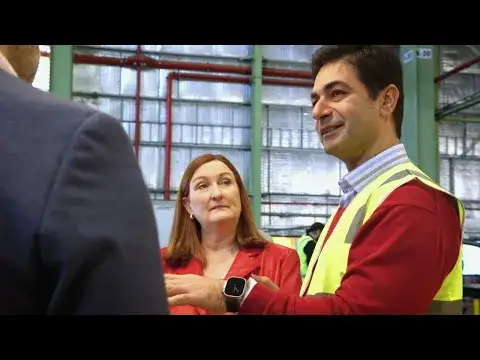
This turbine’s development is backed by significant funding, including a $300,000 AUD (about €181,000) grant awarded by the South Australian Department for State Development. This initiative supports South Australia’s objective of a fully renewable energy grid by 2027, reinforcing its international standing in wind and solar energy adoption.
Public and private stakeholders are increasingly investing in cutting-edge renewable technologies like this VAWT prototype, aiming to boost energy security, lower costs, and achieve environmental targets. If the trial succeeds, scaling this turbine across Australia and globally could open new doors for sustainable power generation.
A Worldwide Surge in Wind Energy
As Australia pushes ahead with renewable energy expansion, wind power is growing at a record pace globally.
- In 2023, the world saw an installation of 117 GW of new wind capacity, marking a 50% rise over the previous year.
- By 2024, wind accounted for 7.6% of worldwide electricity, with total installed capacity exceeding 1,000 GW.
- China dominates wind power, holding 43% of global capacity, followed by the United States and Germany.
The offshore wind industry, especially in Europe, is undergoing rapid expansion as countries invest in immense wind farms to accelerate clean energy supply. With continuous innovation and investment, global wind capacity is forecasted to triple by 2030, playing a crucial part in meeting global climate goals.
Significance of Australia’s VAWT Initiative
The impending trial of the VAWT-X Energy turbine is more than a technical advancement—it could signal a new chapter in renewable energy development. Success in this project may lead to:
- Wider adoption: Providing expanded wind energy options for cities, industry, and remote locations.
- Cost efficiencies: Reduced upkeep and enhanced output lowering the price of clean energy.
- Global influence: Setting a precedent for versatile and adaptable wind power worldwide.
With strong collaboration between academic institutions, industry players, and government agencies, this project could shape the future landscape of wind energy and reinforce Australia’s leadership in renewable innovation.
- Categories:
- Science











0 comments
Sign in to Comment