
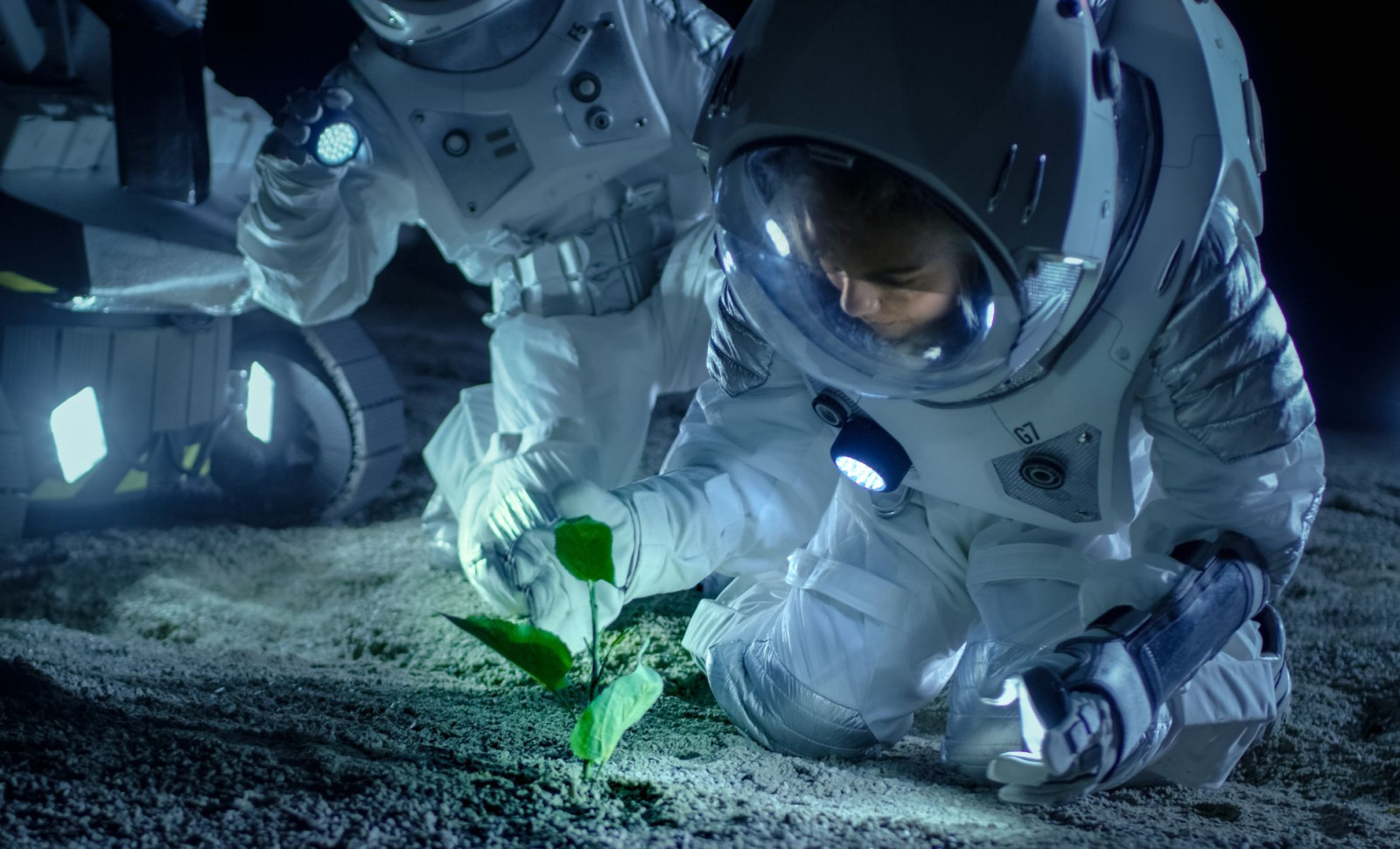
Researchers have managed to cultivate chickpeas using soil designed to replicate the Moon’s surface. This significant milestone, achieved by a team at the University of Texas at Austin, demonstrates the potential for astronauts to grow fresh food on the Moon during prolonged space missions.
As NASA ramps up plans to return to the Moon with its Artemis program, addressing how to sustain astronauts nutritionally over extended periods remains a key challenge. This new development proves that lunar agriculture could be a viable option, with chickpeas becoming the first plant to grow in a lunar soil analog.
Plant Growth in Lunar Regolith Analog
Lunar regolith, the dusty layer found on the Moon, presents a hostile environment for plants. It consists of tiny particles without the biological nutrients or microbes essential for healthy plant growth on Earth. Additionally, it contains toxic heavy metals that inhibit plant development.

“The research is about understanding the viability of growing crops on the moon,” said Sara Santos, a postdoctoral fellow at the University of Texas Institute for Geophysics (UTIG), associated with the Jackson School of Geosciences. “How do we transform this regolith into soil? What kinds of natural mechanisms can cause this conversion?”
The study, featured in Scientific Reports, represents collaboration between the University of Texas and Texas A&M University. The initial hurdle was replicating the lunar environment on Earth, which the researchers achieved using synthetic moon soil simulant developed by Exolith Labs, mirroring the regolith collected from Apollo missions.
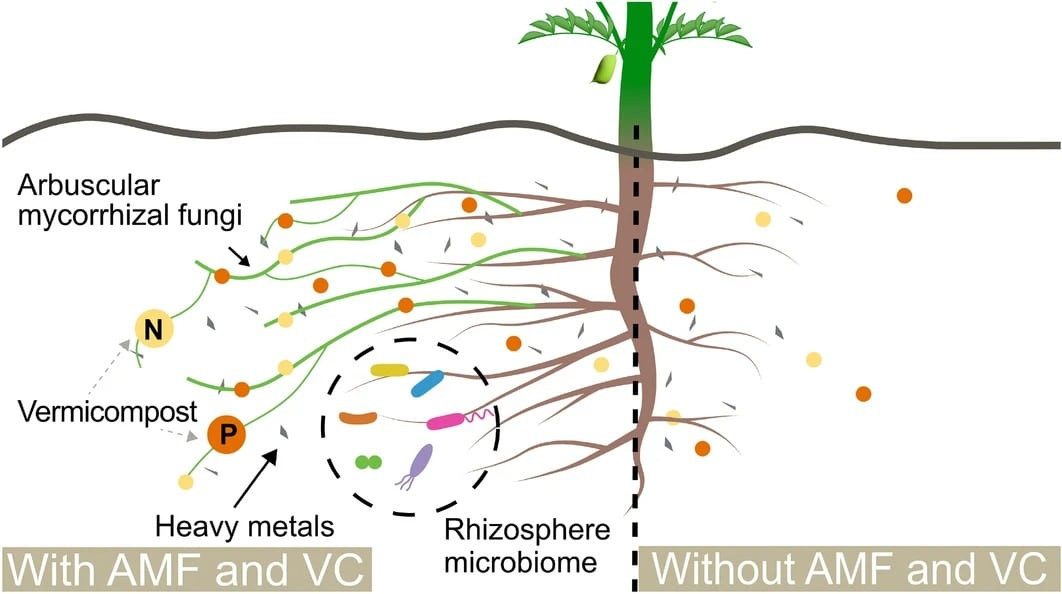
To enhance this simulated lunar soil’s ability to support plant life, the team incorporated vermicompost, a nutrient-dense substance produced by earthworms. This addition provided essential nutrients, converting the otherwise barren lunar simulant into a more hospitable medium for growing chickpeas.
Fungal Partnerships Boost Plant Growth
A key innovation in the experiment was the use of arbuscular mycorrhizal fungi, which establish symbiotic links with plant roots to improve nutrient and water absorption. These fungi were applied to chickpea seeds prior to planting to maximize survival in the challenging lunar soil analog.
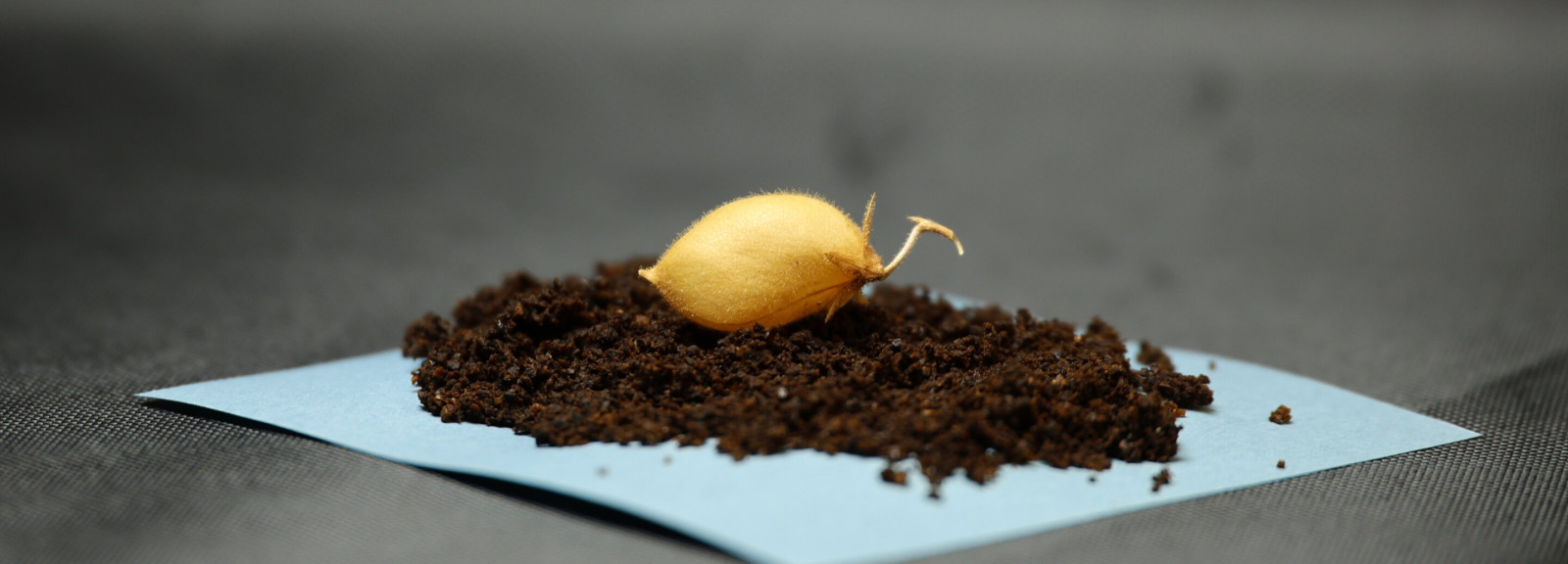
Findings reveal that chickpeas inoculated with these fungi survived significantly longer than untreated seeds. Furthermore, the fungi helped reduce the intake of dangerous metals from the soil, a critical factor for cultivating safe food on the Moon. The fungi also persisted in the simulated soil, suggesting they could continuously support lunar agriculture in future missions.
Assessing the Edibility of Moon-Grown Chickpeas
Although nurturing chickpeas in lunar soil simulation is an important step, more investigation is necessary. Researchers must rigorously test whether these plants accumulate harmful elements and evaluate their nutritional value to confirm their suitability as an astronaut food source.
Jessica Atkin, the study’s lead author, emphasized that the next efforts will concentrate on analyzing the crops’ nutritional contents. Success in this area could mark a key milestone toward astronauts cultivating their own fresh supplies on the Moon.
“We want to understand their feasibility as a food source,” she said Jessica Atkin.“How healthy are they? Do they have the nutrients astronauts need? If they aren’t safe to eat, how many generations until they are?”
Currently, the research team is progressing cautiously, taking incremental steps. This pioneering experiment lays the groundwork for future lunar crop production that might one day reliably nourish space travelers.
- Categories:
- Space







0 comments
Sign in to Comment