
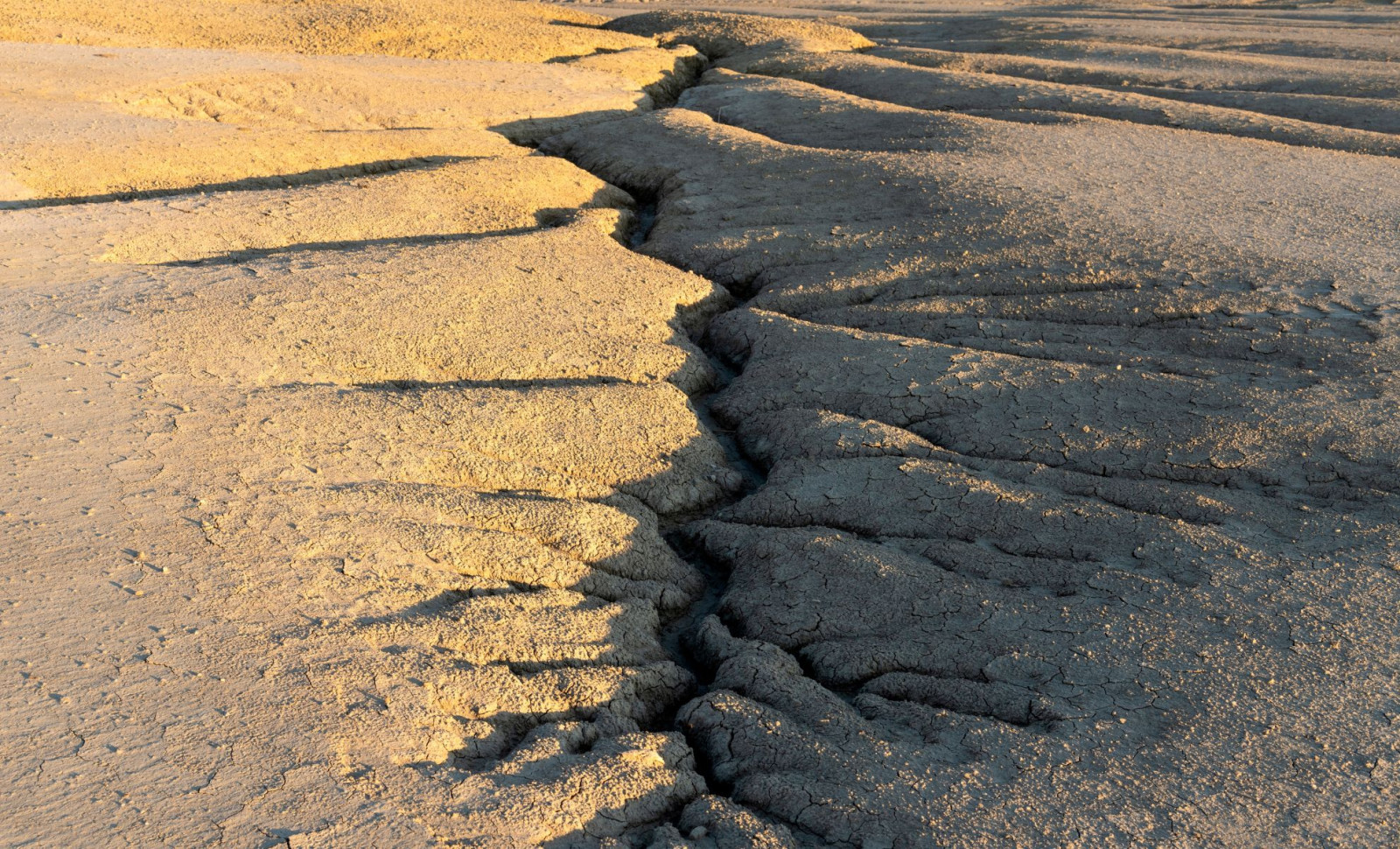
Following over three centuries of inactivity, the Cascadia Subduction Zone appears to be nearing a significant release of seismic energy. This underwater fault line along the Pacific Northwest coast is under close observation as geologists raise concerns about the possibility of a powerful earthquake with devastating impacts.
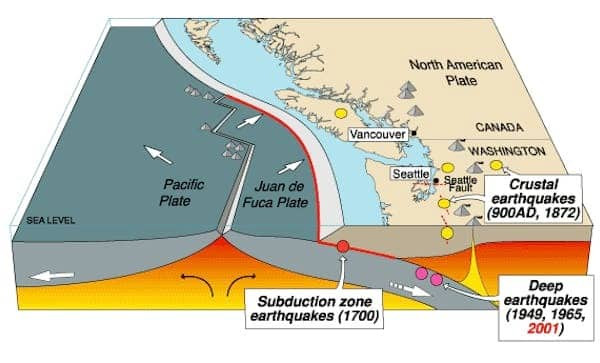
Spanning from Northern California to Southern British Columbia, the Cascadia Subduction Zone marks the boundary where the Juan de Fuca Plate slowly descends beneath the North American Plate. Over time, immense stress has accumulated due to this tectonic interaction, with the plates locked tightly together without slipping. Scientists now worry that this growing tension might soon result in a catastrophic quake accompanied by tsunamis.
Potential for a Massive Megathrust Earthquake
The distinct threat posed by the Cascadia fault lies in its capability to produce extremely powerful “megathrust” earthquakes, potentially reaching magnitude 9. According to a report by the Pacific Northwest Seismic Network (PNSN), the last such colossal event struck in 1700, triggering a tsunami that traveled across the Pacific Ocean to Japan. Since then, the region has experienced relative calm, but scientists caution this quiet period could signal that a major earthquake is overdue, as discussed in recent analysis.

“What we’ve found is that Cascadia isn’t one big subduction zone when it comes to major earthquakes,” Chris Goldfinger, a marine geologist, said in a press release at Oregon State University.”It actually has several segments, at least four, and the earthquake activity is different depending on where a quake originates. The largest earthquakes occur in the north and usually rupture the entire fault. These are quakes of about magnitude-9 and they are just huge – but they don’t happen as frequently.”
Current estimates suggest there is roughly a 10 to 15 percent probability of a significant earthquake striking within the next half-century.
Revealing Complex Fault Segments
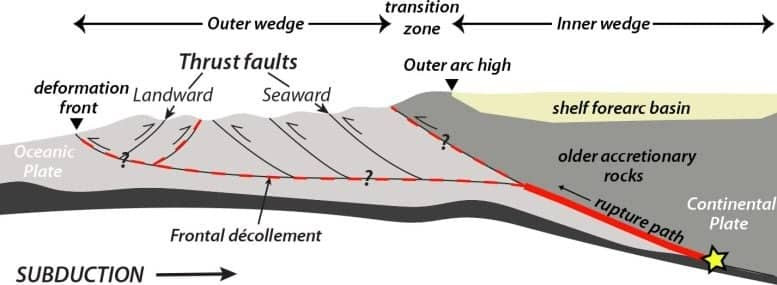
Recent advancements in submarine surveys have revealed that the Cascadia fault is not a single continuous fault but comprises multiple distinct segments. This segmented nature may influence how seismic events unfold, with some sections capable of slipping independently, generating smaller temblors, while others might unleash tremendous energy in a single massive rupture.
Suzanne Carbotte, a geophysicist at Columbia University who led the 2024 research published in Science Advances, explained:
“The megathrust has a much more complex geometry than previously assumed. The study provides a new framework for earthquake and tsunami hazard assessment.”
Steps Toward Earthquake Preparedness
While predicting the exact timing of the next quake remains impossible, scientists are actively developing strategies to minimize potential damage. Insights gained from the latest fault data are aiding improvements in seismic hazard models and updates to construction codes, particularly in high-risk zones. Early warning systems like the ShakeAlert program now provide precious seconds of advance notice, enabling people to take protective actions before shaking starts.
Emergency planners are also prioritizing tsunami evacuation routes and safety measures in coastal communities most vulnerable to tsunami impact. Efforts include strengthening infrastructure and establishing emergency shelters to better protect residents from the waves that may follow a major earthquake.
- Categories:
- Science






0 comments
Sign in to Comment