
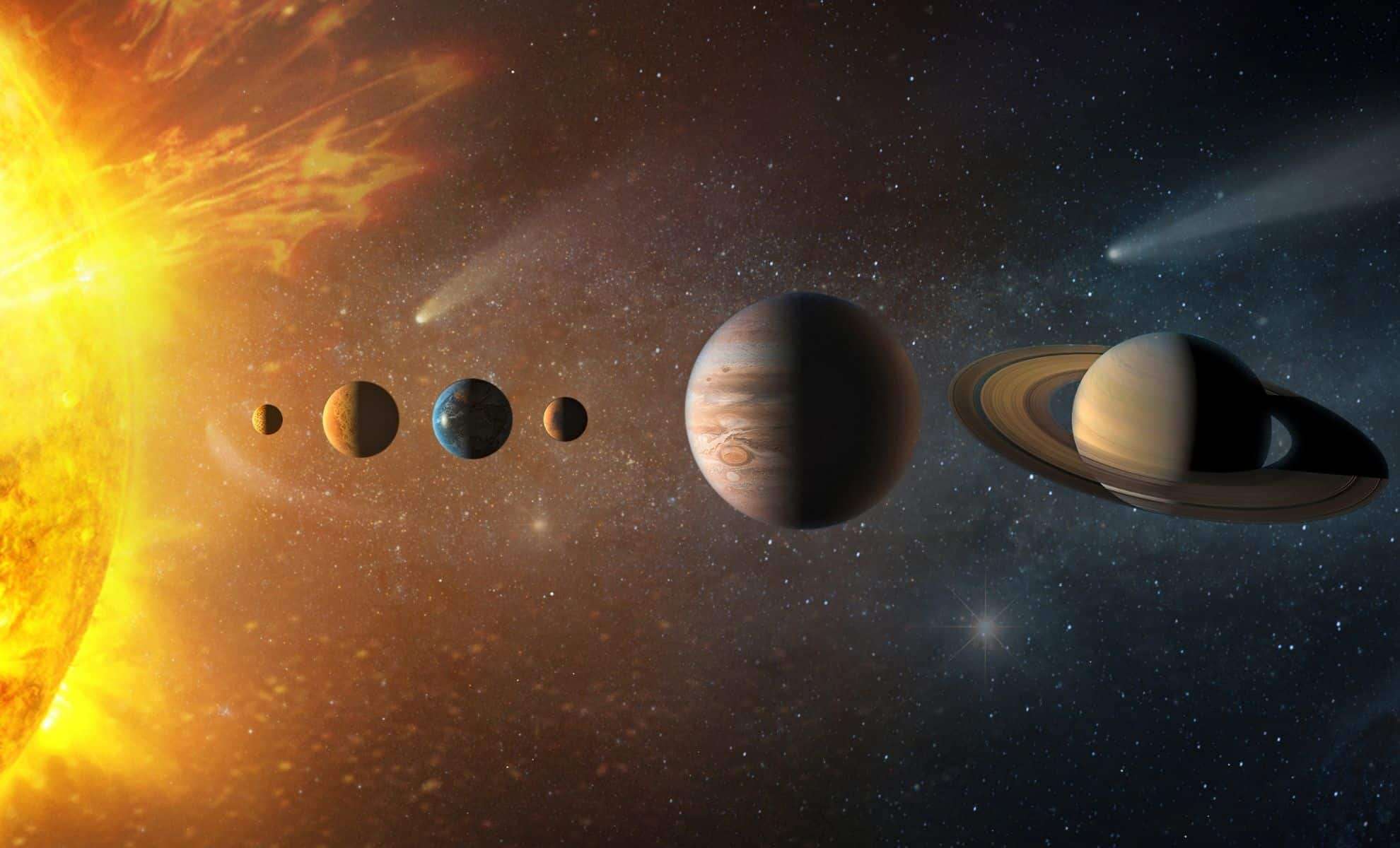
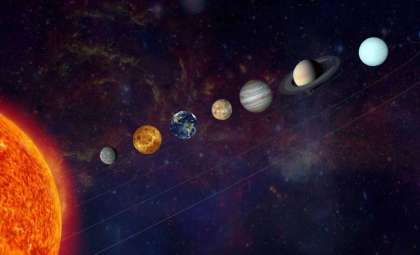
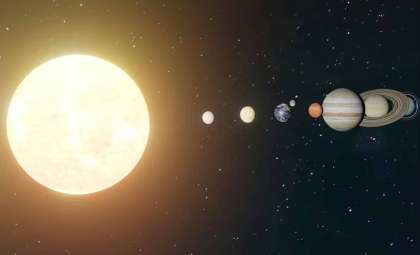
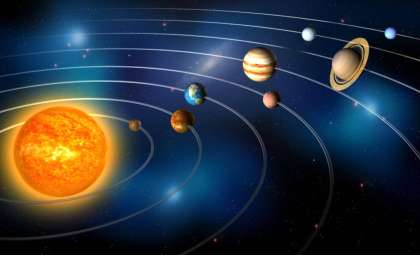
Between May 19 and 25, 2025, residents of mid-northern latitudes in the Northern Hemisphere are treated to a spectacular planet alignment. Just before dawn, the waning crescent Moon will appear close to several luminous planets, offering a breathtaking celestial show. As detailed by Forbes astronomy contributor Jamie Carter, this event is poised to impress both novices and seasoned skywatchers.
Observing the Lunar Last Quarter: A Prime Time for Surface Details
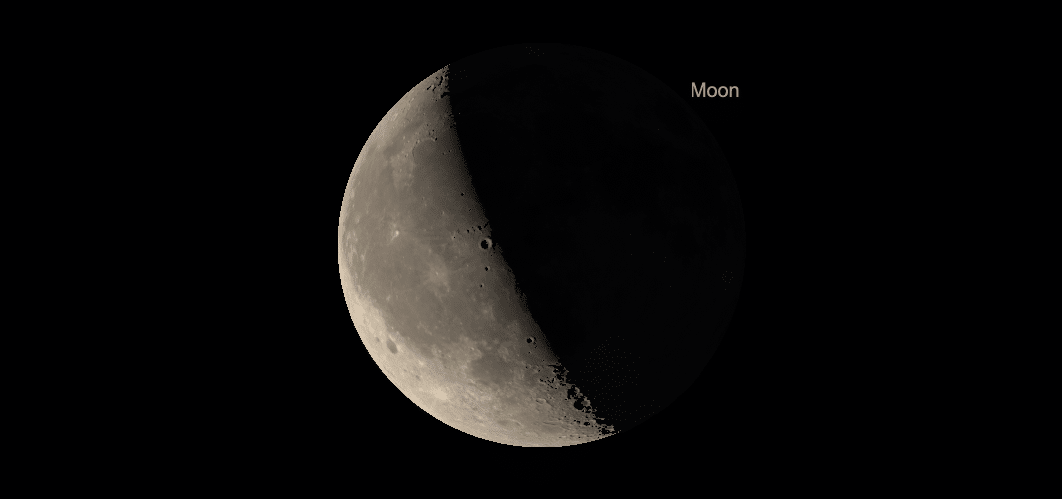
On Tuesday, May 20, the Moon reaches its last quarter phase, appearing around midnight and setting near midday. This phase is ideal for astronomy fans who want to study the Moon's surface, particularly along the terminator — the line dividing lunar night and day. The low angle of sunlight during this time highlights the shadows cast by craters and mountains, unveiling fine surface details not seen during fuller phases.
Though overshadowed by the full and new Moon, the last quarter phase provides exceptional viewing clarity through telescopes, making it perfect for those curious about lunar landscapes.

Morning Conjunctions: Moon, Saturn, and Venus Share the Dawn
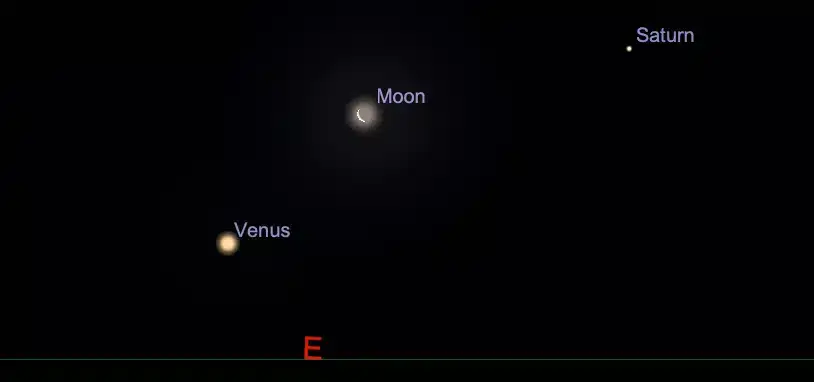
In the early morning of Thursday, May 22, about 45 minutes before sunrise, the slender waning crescent Moon will be found roughly three degrees from the ringed planet Saturn near the eastern horizon. Just beneath this duo, the bright planet Venus adds to the scenic spectacle.
Viewing this conjunction needs a clear, unobstructed view to the east — such as a rooftop or wide-open space. The combination of the thin crescent Moon alongside two dazzling planets makes this a must-see early morning event.
The next day, Friday, May 23, the Moon edges closer to Venus, appearing about four degrees away, with Saturn situated to the Moon's upper right. Observers may also catch a glimpse of Earthshine—the faint glow illuminating the Moon’s dark side—best seen with binoculars on clear nights.
The Grand Showcase: Saturday’s Waning Crescent Finale
Saturday, May 24, offers the last chance this week to spot the Moon before it moves into new moon phase and fades from dawn’s view. At only 11% illuminated, the waning crescent will hover low above the eastern horizon roughly 45 minutes before sunrise, positioned just left of Venus.
This pairing, often referred to as “the old Moon in the new Moon’s embrace,” completes an enchanting dawn composition along with Saturn overhead. Photographers and astronomy lovers alike won’t want to miss capturing this stunning morning vista.
Discovering Corvus: A Lesser-Known Constellation to Spot
Beyond planetary highlights, this week invites observers to explore Corvus, the constellation nicknamed “The Crow.” Though it doesn’t strongly resemble a crow and is often overlooked, Corvus is easy to locate.
By following the Big Dipper’s curved handle toward Arcturus, then spiking to Spica, stargazers can find Corvus just to the right of Spica this week. Adding this constellation to the morning’s viewing list enriches the stargazing experience.
For optimal results, users are encouraged to consult apps like Stellarium for accurate local timings. Clear skies and early starts ensure a spectacular week to witness this remarkable planetary parade.
- Categories:
- News





0 comments
Sign in to Comment