
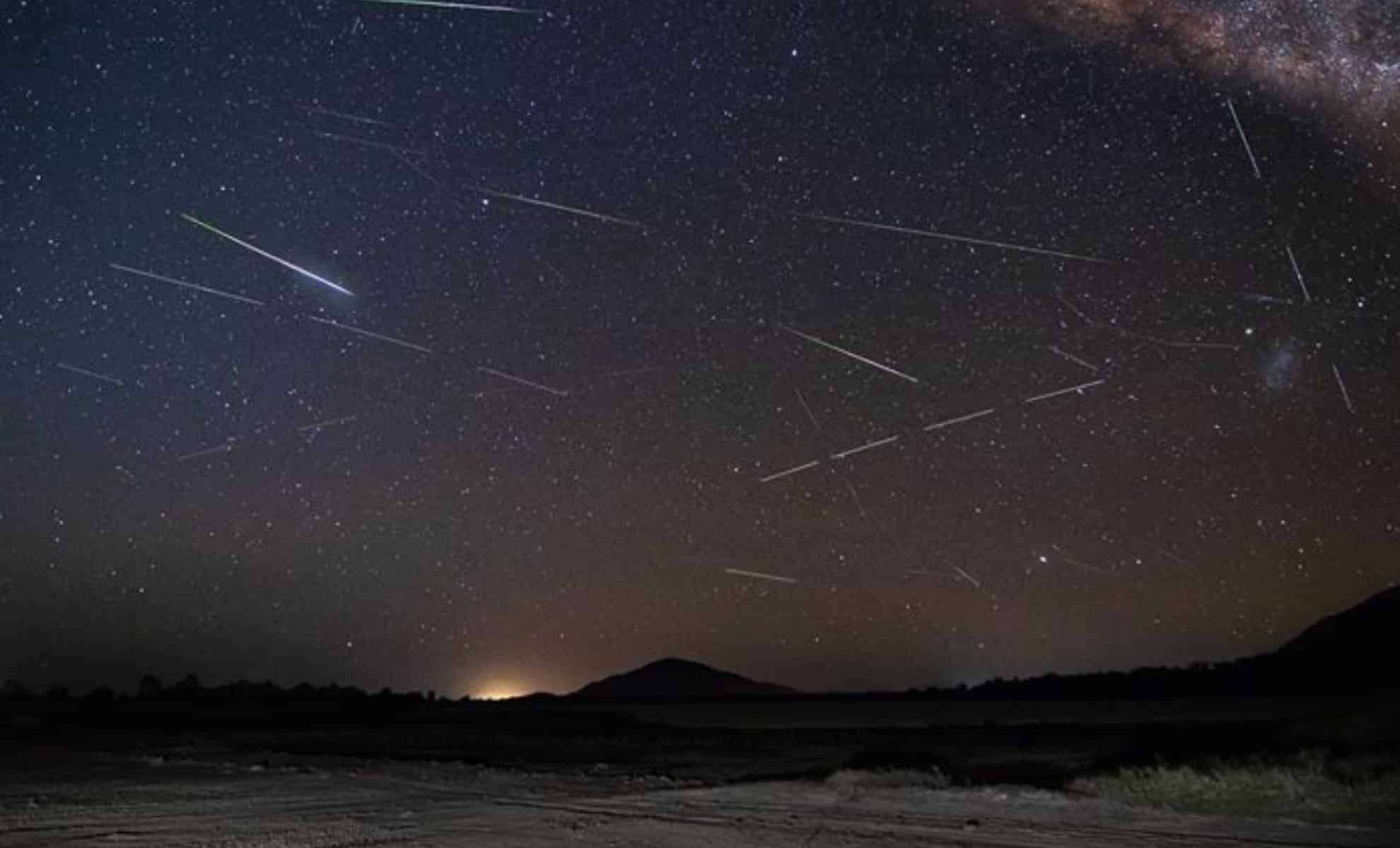
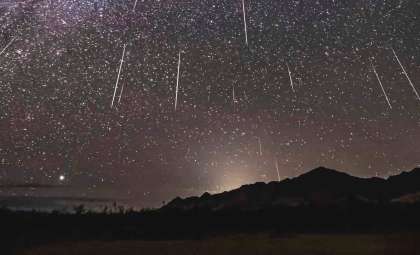
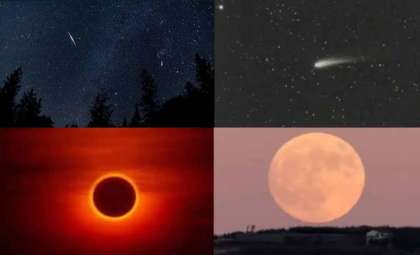
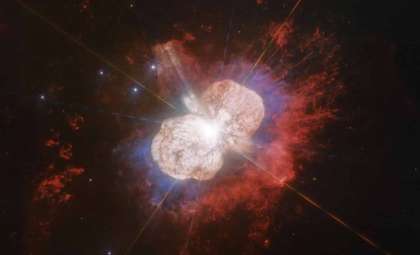
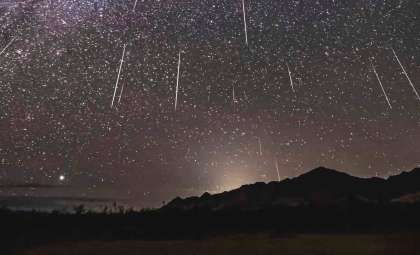
The Eta Aquarid meteor shower is set to dazzle sky enthusiasts this May, presenting an excellent opportunity to observe numerous meteors streaking across the night sky. This radiant event is caused by debris shed from Halley’s Comet, and astronomers have been monitoring this year’s display closely. For an updated viewing guide, Space.com offers detailed tips to maximize the experience.
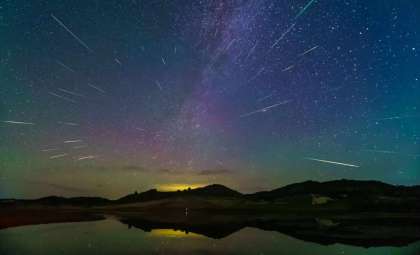
NASA highlights the Eta Aquarids for their rapid meteors that leave impressive glowing trails. When conditions are optimal, especially in the Southern Hemisphere, observers can expect up to 50 meteors per hour in dark, unobstructed skies.
Optimal Timing and Viewing Spots
The Eta Aquarids have been active since April 20, but their peak occurs between May 5 and 6, just before dawn. The best observation window is from 3 a.m. until sunrise, when the radiant — located in the Aquarius constellation — climbs higher and meteor activity intensifies.

While skywatchers in southern regions will witness meteors streaking across the heavens, Northern Hemisphere viewers can still catch up to 10 meteors per hour, especially when far from city lights. Clear, expansive views away from obstructions like trees or buildings enhance visibility considerably.
For an immersive experience, it’s advised to allow 30 minutes for your eyes to adjust to darkness. No special optical gear is necessary; these meteors move too quickly for binoculars or telescopes.
Origin of the Eta Aquarid Shower
This annual shower results when Earth passes through the dust trail left by Halley’s Comet, which last visited our vicinity in 1986. Tiny particles, roughly the size of sand grains, enter Earth’s atmosphere at tremendous speeds near 40 miles per second (65 km/s). The intense friction fuels bright streaks known as meteors.
The Eta Aquarids stand out for their swift and sharply defined trails, often accompanied by persistent glowing paths. Experts recommend not staring directly at the radiant but looking about 40 degrees away to witness longer meteor streaks that traverse the sky.
Spotting Fireballs and Photographing the Shower
Sometimes larger debris from Halley’s Comet produces dazzling fireballs, exceptionally bright meteors lighting up broad sky areas. These exciting but unpredictable flashes are often the highlight of the event.
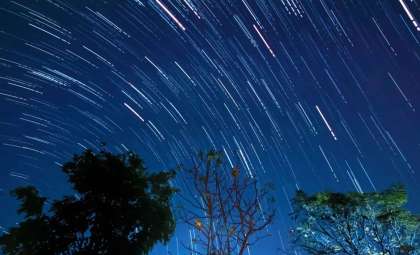
For photographers aiming to document the meteor shower, using a camera stabilized on a tripod with long exposure settings is ideal. Directing the lens towards the darkest sky regions with a wide-angle and pointing slightly above the eastern horizon offers the best chance to capture both the radiant and extensive meteor trails.
- Categories:
- News



0 comments
Sign in to Comment