
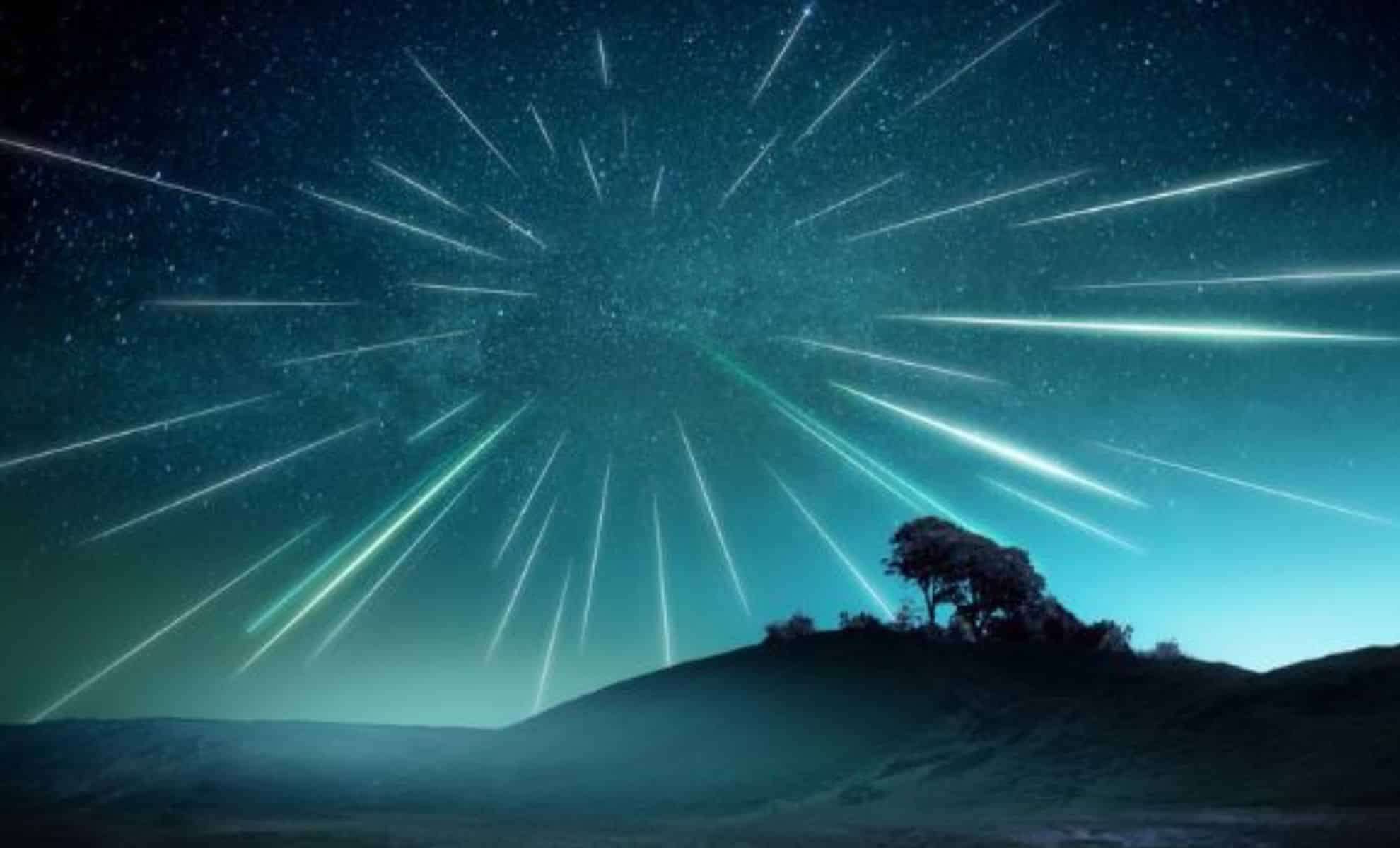
This summer, the Perseid meteor shower will once again grace the night sky with its breathtaking light show, captivating stargazers worldwide.
Anticipated to reach its peak between August 12 and 13, 2024 promises outstanding viewing conditions as the moonlight won’t obscure the brilliance of the meteors, making it a prime opportunity for observers.
Unraveling the Origins of the Perseid Meteor Shower
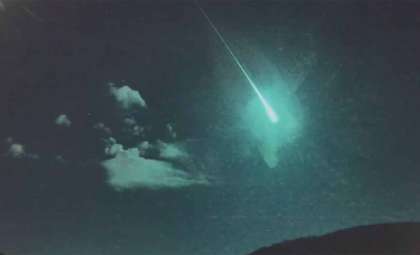
The Perseid meteor shower originates from debris shed by comet 109P/Swift-Tuttle. As Earth crosses this comet’s path, particles collide with our atmosphere at speeds nearing 36 miles per second, producing dazzling streaks of light. These fragments consist of ice and rock remnants from the comet's journey around the Sun.

Named after the Perseus constellation—appear to emerge from there—these meteors can be observed from mid-July through late August, with their brightest activity usually happening in mid-August. The Perseid meteor shower is prized for its luminous meteors and long-lasting glowing trails, visible even from locations affected by moderate light pollution. This yearly spectacle highlights the dynamic interactions within our solar system as tiny cometary debris illuminate the atmosphere.
The Perseids stand out because the Swift-Tuttle comet deposits relatively large debris in its trail, which leads to frequent and bright meteors. This comet is notably massive, measuring around 16 miles across, contributing a dense stream of particles that enrich the meteor shower.
These fragments, often no larger than grains of sand, generate vivid flashes as they burn upon atmospheric entry, enhancing the night sky’s splendor. Beyond their beauty, these fiery streaks give researchers insight into the properties and dynamics of comet material.
Best Times and Places to Experience the Perseids
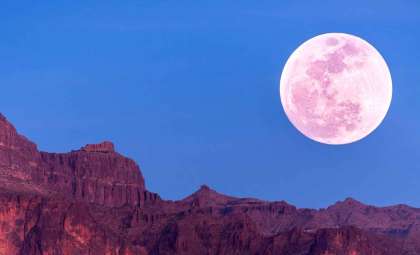
The Perseid meteor shower will be observable from the Northern Hemisphere between July 17 and August 24, intensifying around August 12-13. For optimal viewing, seek out dark areas with minimal artificial lighting and an unobstructed sky. The originating constellation, Perseus, is most prominent after midnight. On peak nights, a first-quarter moon sets near midnight, ensuring darker skies that improve meteor visibility.
Observers may witness as many as 50 to 100 meteors per hour under optimal dark conditions during the peak. The darkest hours after midnight typically offer the best chance to catch the most meteors. Using a light pollution map can help identify prime viewing spots. Even though meteor showers can vary in intensity, the Perseids are reliably spectacular if clear skies prevail, thanks to their prolific nature.
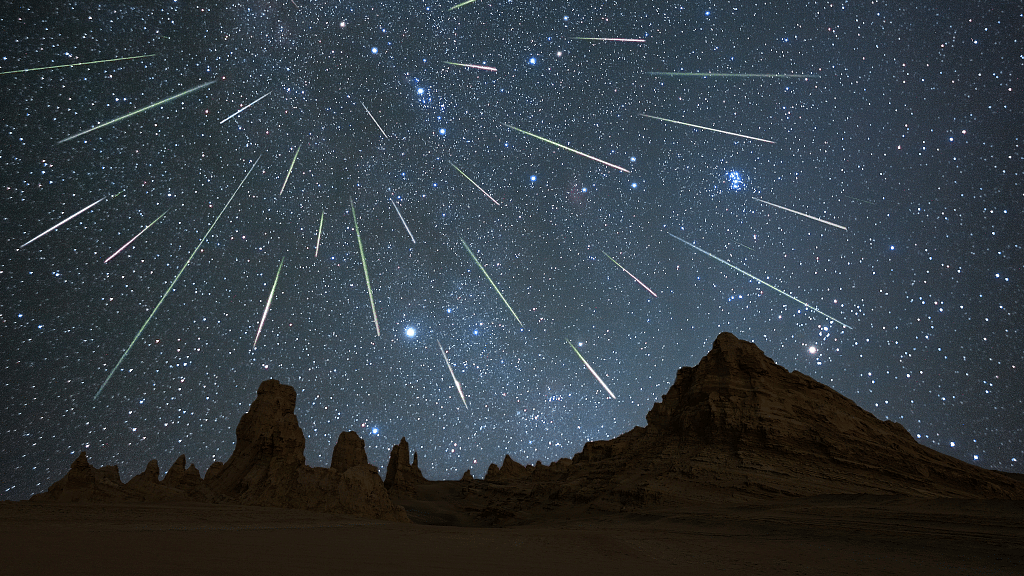
For city dwellers, traveling to a place with low light pollution is highly recommended. National parks and rural areas or designated dark-sky preserves make excellent locations to catch the meteors. No telescopes or special gear are necessary to enjoy the display—just find a comfortable spot, bring blankets or reclining chairs, and patiently watch the skies. Giving your eyes time to adjust to darkness enhances the experience.
Tips for Observing the Perseid Meteor Shower
Observing the Perseid meteor shower requires no optical instruments, only clear skies and patience. Find a cozy place to lean back and take in the night sky. Let your eyes adapt to the dark for about 20 minutes to optimize your night vision. Using apps like SkySafari can assist in locating the Perseus constellation, although meteors streak across the entire sky. This natural spectacle is best enjoyed with the naked eye for an expansive view.
Locating the Perseus constellation can be easier by first spotting Cassiopeia’s distinctive “W” shape nearby. Perseus lies next to Cassiopeia and serves as the meteor shower’s apparent source. Nevertheless, meteors can appear anywhere, so it’s not necessary to focus solely on this point. Dress warmly, bring refreshments, and consider using a red flashlight to maintain night vision while moving or studying star charts.
The Perseid shower offers a fantastic chance for friends and families to gather under the stars. Adding binoculars or telescopes can enrich the experience, though they are not essential for seeing meteors. Sharing this moment fosters excitement and provides a unique educational opportunity to learn about stars, planets, and other nighttime celestial wonders.
Additional Meteor Showers This Season
While the Perseids steal the spotlight in summer, other meteor showers occur concurrently. These include the Capricornids, Delta Aquarids, Piscis Australids, Alpha Capricornids, Iota Aquarids, and Kappa Cygnids. Though these produce fewer meteors, they offer variety in colors, speeds, and paths. Late July through mid-August provides a wealth of viewing opportunities for those eager to observe different meteor displays.
These supplementary showers enrich stargazing by showcasing diverse meteor features. Each has a distinct origin and timing, adding variety to the night sky’s offerings. For example, the Delta Aquarids peak in late July and overlap with the Perseids, creating a mixed meteor display. The Capricornids are known for slow-moving fireballs, contributing a unique spectacle during the season.
- Categories:
- Astronomy ,
- News ,
- Space







0 comments
Sign in to Comment