

The nights of summer 2024 are set to dazzle with a series of extraordinary cosmic events, including vibrant auroras, close planetary encounters, and uncommon lunar eclipses. Here’s an overview of what stargazers across the northern hemisphere can look forward to from June through September.
Moon and Saturn’s Close Encounter
In the early hours of June 27, a remarkable sight awaits: the waning gibbous moon, illuminated at 68%, will draw near Saturn just above the eastern horizon. According to In-The-Sky.org, this event is particularly special as the moon will partially cover Saturn, a spectacle visible from eastern Australia and northeastern New Zealand for several hours.

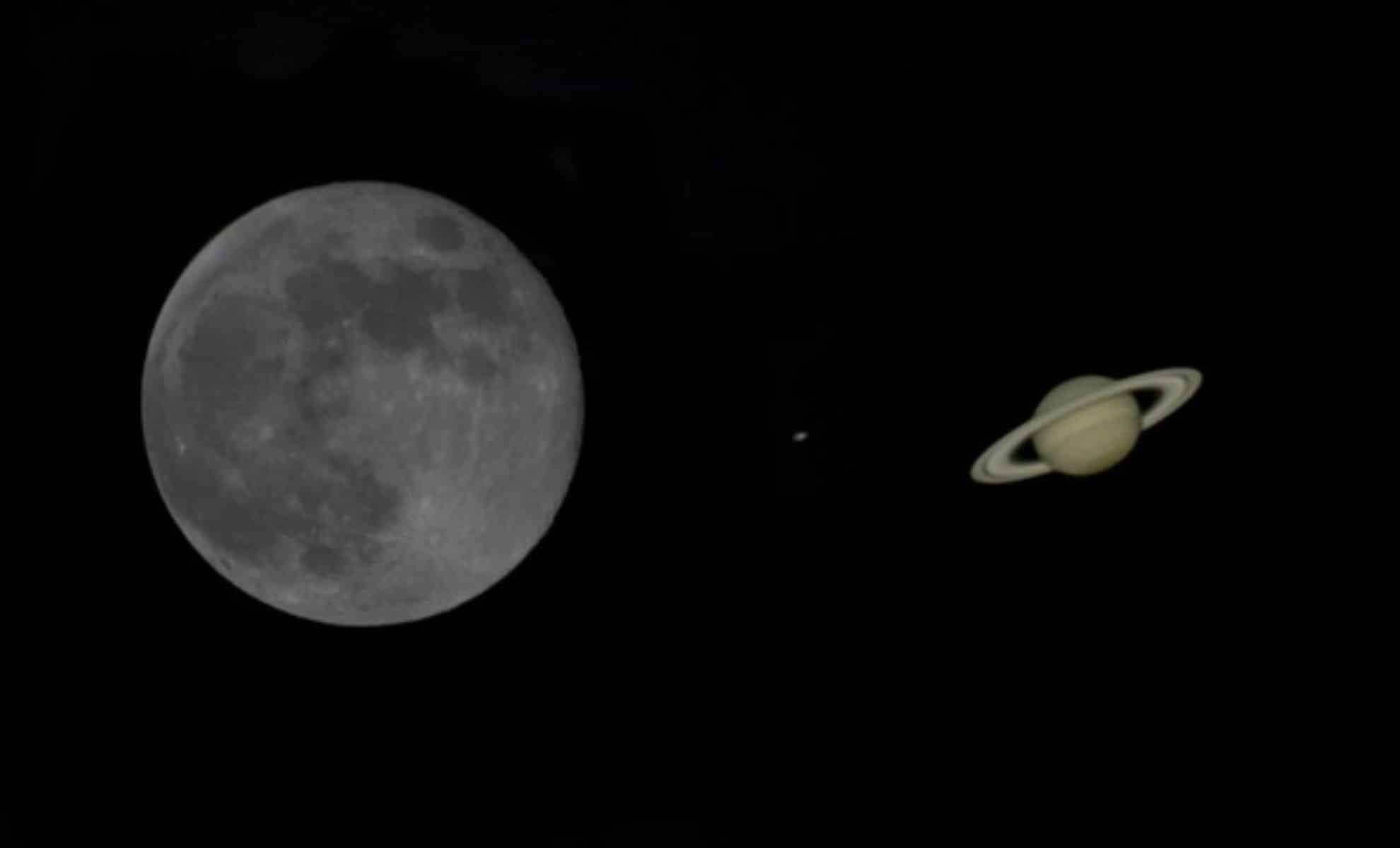
Nearby, Mars and Jupiter will also be close by, creating a stunning celestial gathering. Jamie Carter from Forbes highlights, “Saturn being this close to the moon is a rare and captivating event.” Observers fortunate enough to be under clear skies will have quite the visual treat.
The Radiance of the Milky Way
From June to September, the northern hemisphere enjoys prime conditions for admiring the Milky Way. The best viewing occurs during the darkest nights, particularly when moonlight and artificial lights are minimal. The galaxy’s glowing band of stars stretches vividly across the sky during this window.
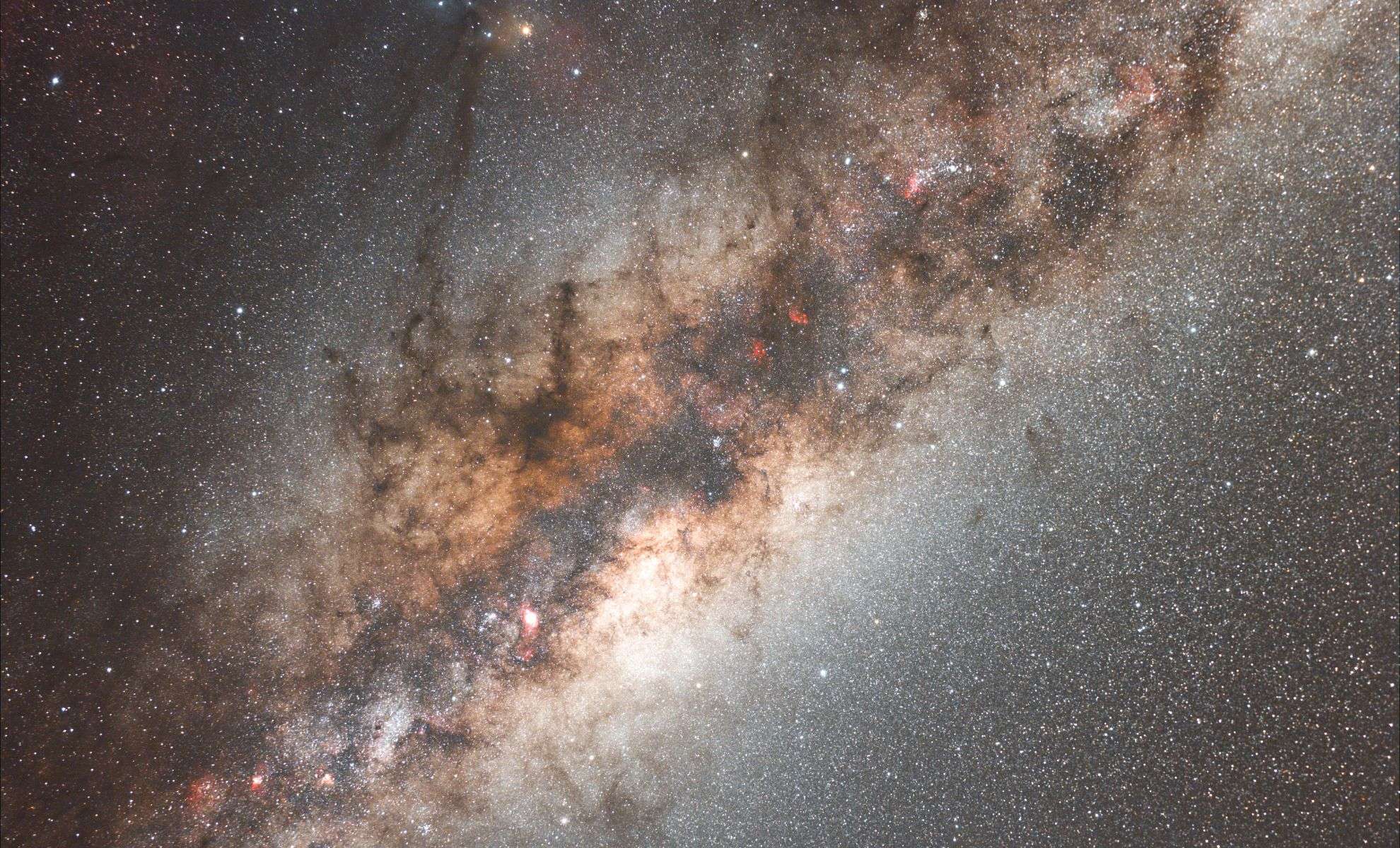
Jamie Carter notes, “Seeing the Milky Way’s luminous arch during the late hours is truly an awe-inspiring experience.” This season offers some of the clearest views of the galaxy’s core, making it a magical opportunity for all who gaze upward.
Moon's Occultation of Spica
The bright star Spica in the Virgo constellation will vanish behind the moon during the night of July 13-14. This occultation will be observable from across North and Central America. Details from In-The-Sky.org indicate that Spica will be eclipsed by a first quarter moon between 9:40 PM to 12:58 AM EDT.
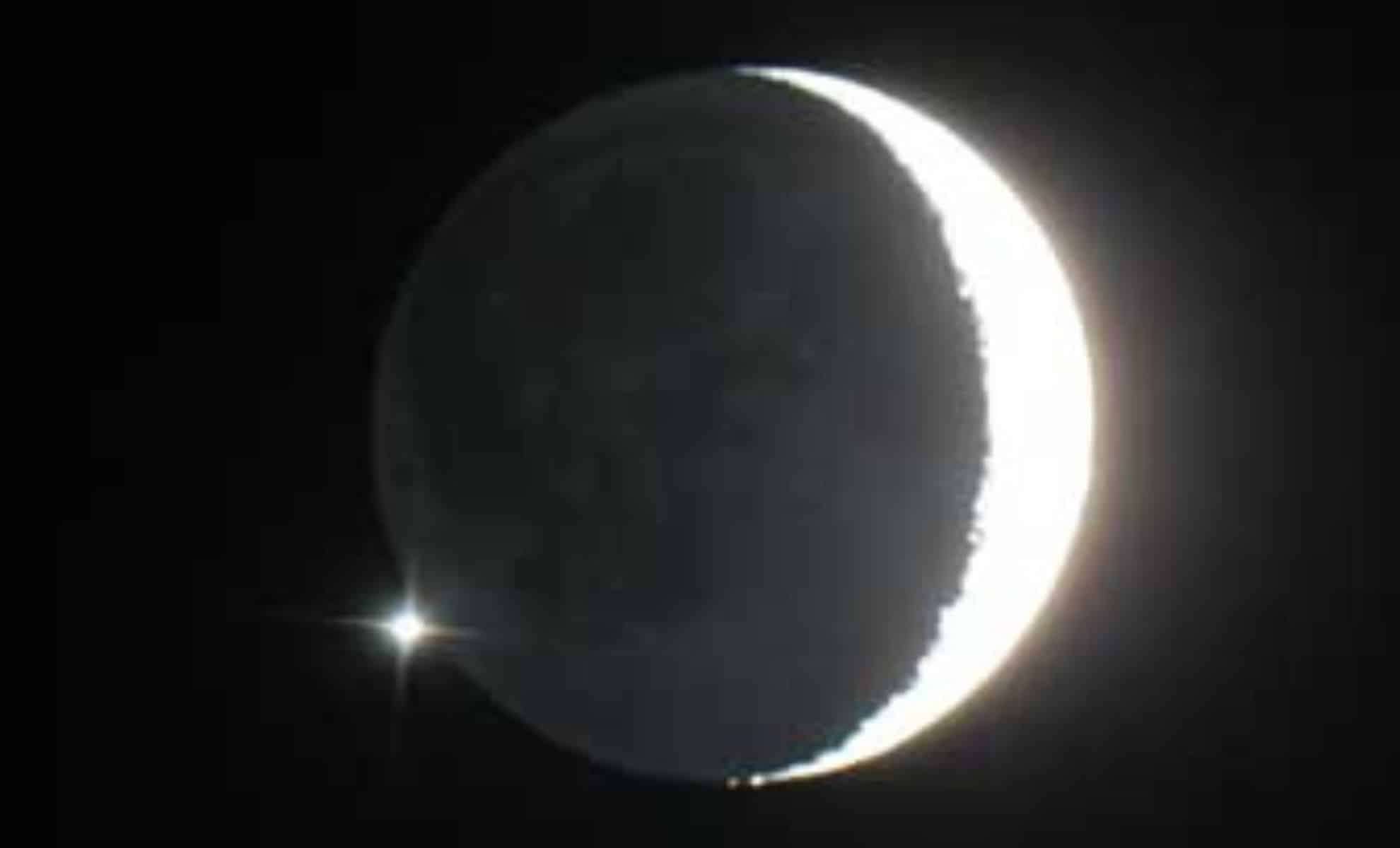
Various locations will experience different phases of this event, making it a compelling spectacle across the continent. A NASA astronomer commented, “Spica’s occultation offers an extraordinary glimpse into the dynamic relationship between the moon and distant stars.”
Delta Aquariid Meteor Shower Peaks
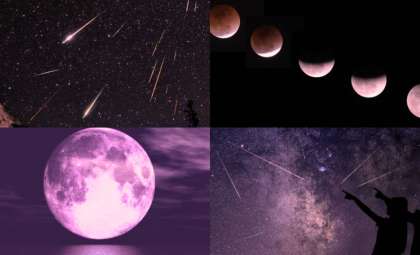
The Delta Aquariid meteor shower reaches its zenith on the night spanning July 30-31, delivering a steady flow of roughly 10 to 20 meteors per hour. This display is particularly impressive from the southern United States, where the shower’s radiant is highest in the sky.
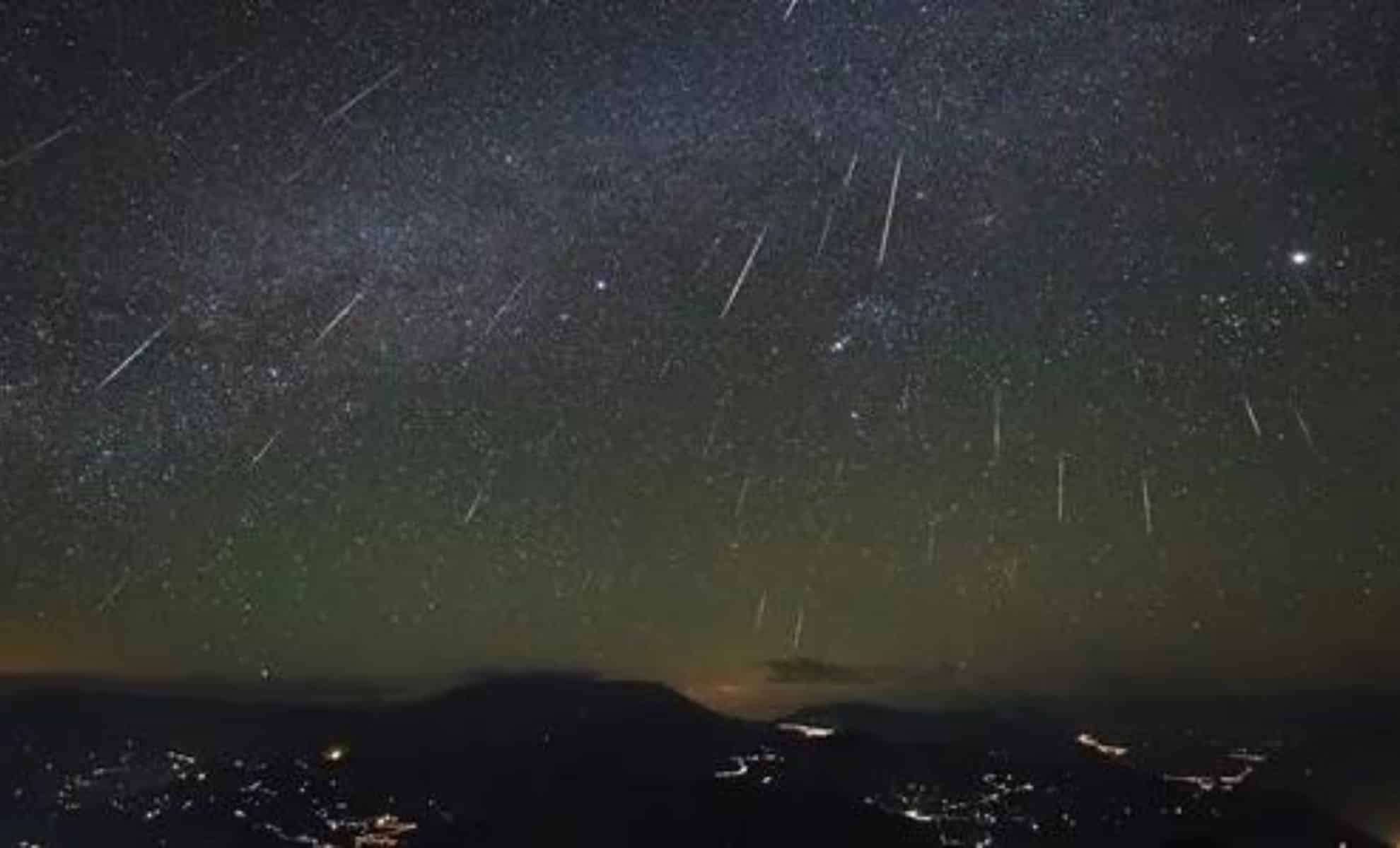
The American Meteor Society points out that the Delta Aquariids serve as a precursor to the famous Perseid meteor shower, delivering graceful streaks across the evening sky and building excitement for upcoming celestial fireworks.
The Annual Perseid Meteor Shower
Widely considered the premier meteor shower of the year, the Perseids will peak overnight from August 12-13. Skywatchers may enjoy rates up to 100 meteors per hour, making it an event not to miss.
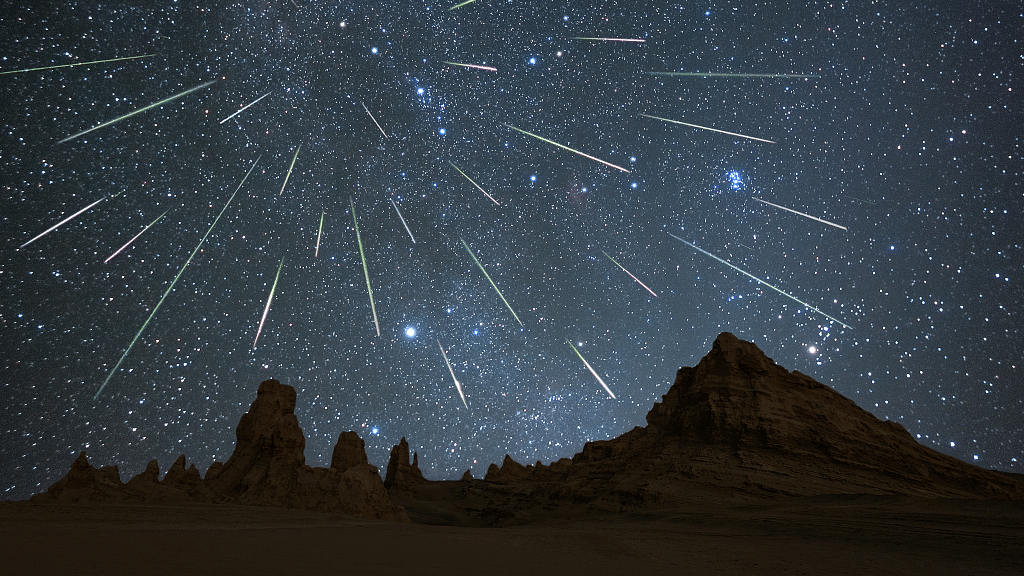
With the moon setting before midnight, the skies will be dark, ideal for viewing. The Washington Post describes the Perseids as “fast-moving streaks often followed by glowing trails,” with many bright fireballs lighting up the night.
Close Approach of Mars and Jupiter
On the morning of August 14, Mars and Jupiter will appear only a third of a degree apart in the eastern sky. Early risers will catch an excellent orbital conjunction of these two planets.
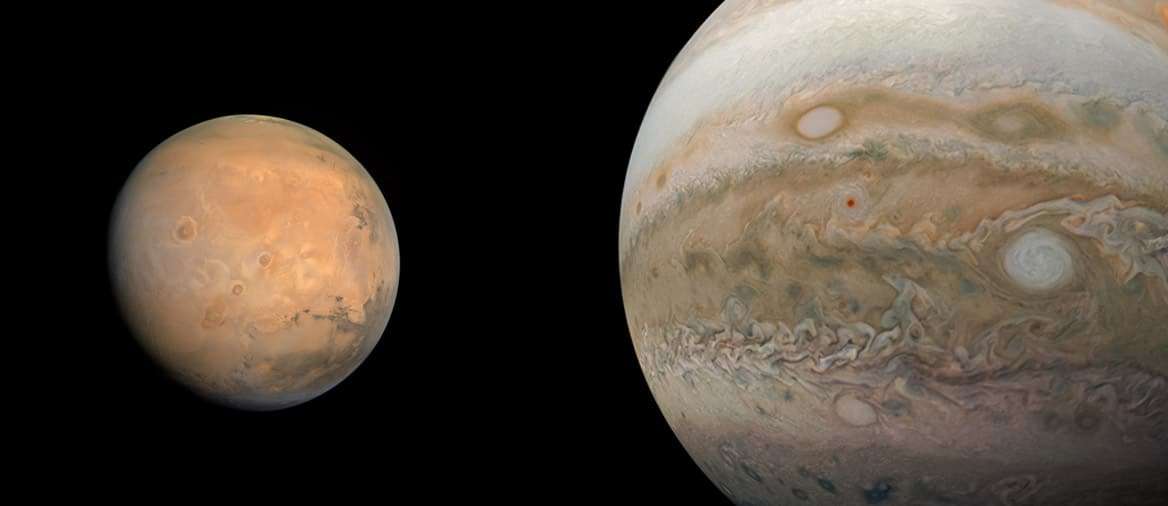
An International Astronomical Union astronomer noted, “This close pairing of Mars and Jupiter offers a rare chance to observe both giant worlds simultaneously with the naked eye.” These planets will remain prominent throughout the season.
Saturn’s Opposition and Best Viewing
Saturn reaches opposition on September 8, rising at sunset and staying visible all night. This moment provides the optimal opportunity to observe the ringed planet at its brightest and nearest.
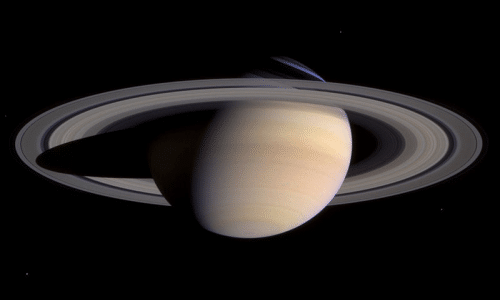
Jamie Carter shared, “For many, spotting Saturn through a telescope for the first time is an unforgettable experience.” During opposition, Saturn’s rings will be tilted just right to reveal their stunning structure.
Partial Eclipse of the Super Harvest Moon
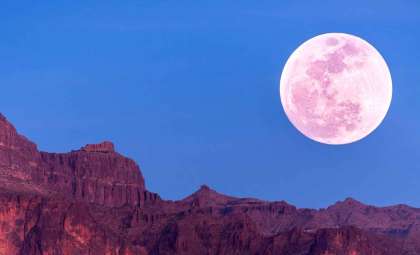
On September 17, the full Harvest Moon will also be a supermoon, appearing noticeably larger and more luminous. This night will feature a partial lunar eclipse as the moon passes through Earth’s penumbra, visible across North and South America, Europe, Africa, and the Middle East.
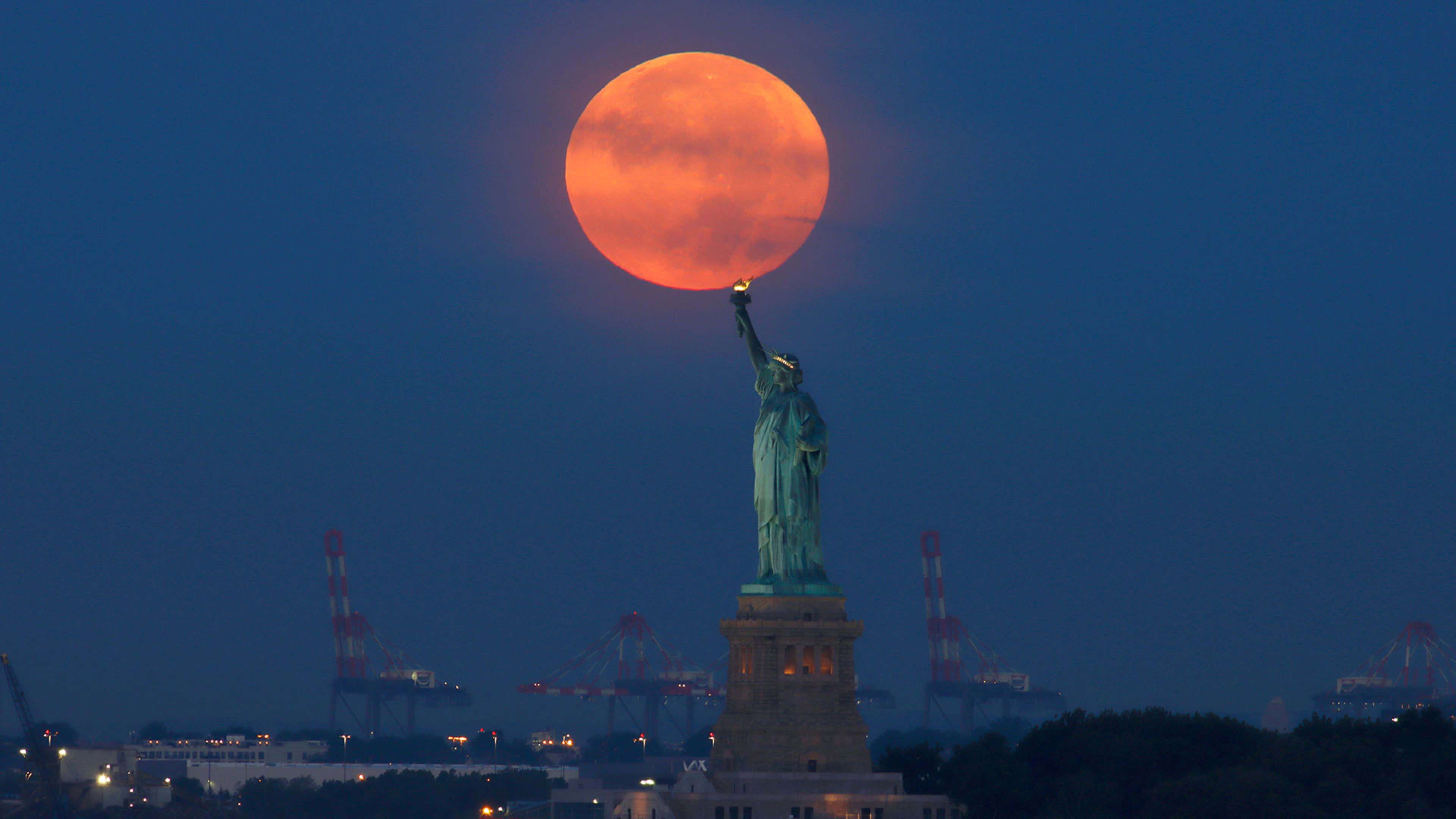
Carter explained, “This super Harvest Moon not only aids traditional late-night farming efforts but also offers a captivating eclipse spectacle.” Combining these phenomena creates a spectacular show for observers.
Heightened Auroral Activity
With the sun approaching its solar peak in late 2024, the potential for dazzling auroral displays increases, particularly near the equinoxes. As August and September near, fans of the northern and southern lights should keep a close watch.
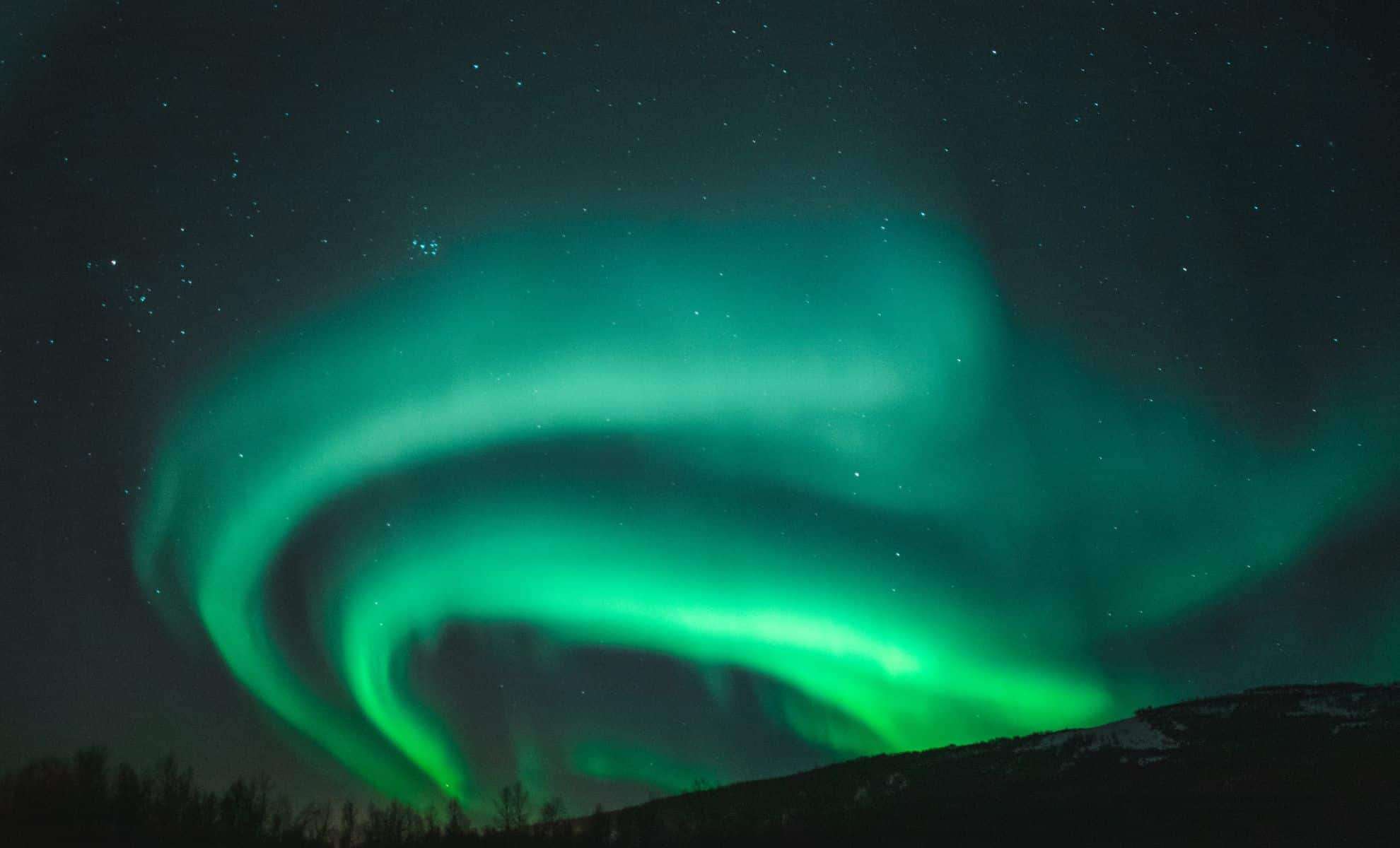
“Auroras reach their peak strength around equinoxes, making the weeks around September 24’s fall equinox especially promising,” Carter advises. To catch these vibrant light shows at their finest, heading to dark sites near the Arctic Circle or similar latitudes is recommended.
This summer season presents numerous chances to marvel at the night sky’s treasures. Whether it’s witnessing bright meteors, planetary dances, or shimmering auroras, 2024’s celestial calendar is bursting with unforgettable moments that celebrate the universe’s grandeur.
- Categories:
- Astronomy ,
- News ,
- Space





0 comments
Sign in to Comment