

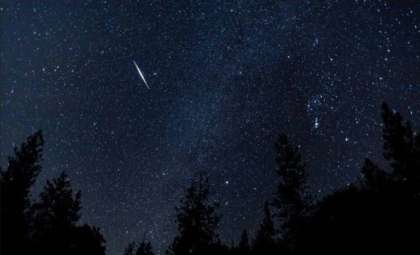
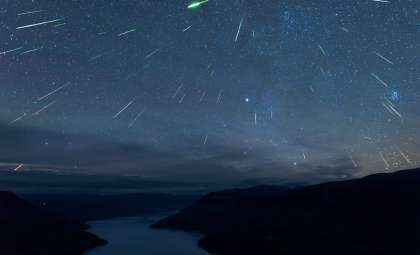
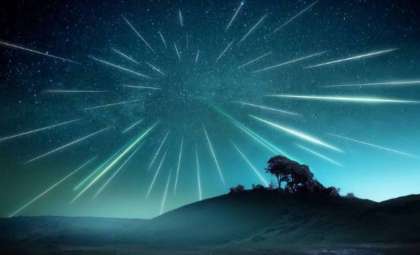
The Orionid meteor shower, renowned for its vibrant and swift meteors, is set to captivate sky watchers soon. Originating from fragments of Halley’s Comet, this celestial spectacle offers an extraordinary chance to observe bright meteors blazing through Earth’s atmosphere each year.
How to Best Experience the Orionid Meteor Shower
Named after the Orion constellation, the meteors appear to emanate from this star pattern. The ideal viewing window is shortly after midnight, with the constellation peaking near 2 a.m.. Enthusiasts in both the Northern and Southern Hemispheres can catch the show, though those in the United States will find the Southwestern sky offers a prime vantage point.
The shower is active from September 26 through November 22, with peak visibility anticipated during the early hours of October 21. Top viewing nights are expected on October 20 and 21. According to NASA, “Find an area well away from the city or street lights. Come prepared with a sleeping bag, blanket, or lawn chair. Lie flat on your back with your feet facing southeast if you are in the Northern Hemisphere, or northeast if you are in the Southern Hemisphere, and look up, taking in as much of the sky as possible.”

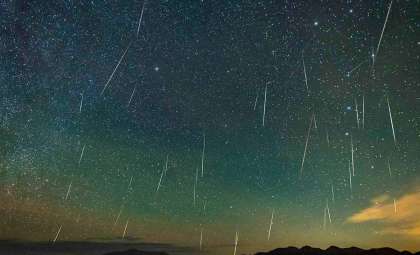
Under ideal dark skies, observers might witness approximately 10 to 20 meteors per hour during the peak nights. Although the moon will be nearly 80% illuminated, which could obscure some dimmer meteors, the shower’s renowned bright fireballs should still be discernible.
Understanding the Origins of the Orionids
The annual Orionid meteor shower arises as Earth traverses the trail of debris left by Halley’s Comet. When these particles collide with our atmosphere, they ignite, creating the luminous streaks we recognize as meteors. Halley’s Comet follows an elongated orbit around the Sun, shedding dust and icy fragments each time it nears the Sun, which generate the Orionids.
Despite Halley’s lengthy orbital period—the comet won’t return until 2061—its remnants produce two significant meteor showers yearly: the Orionids in October and the Eta Aquariids in May. Observed for centuries, the comet was famously studied by Edmond Halley, who, in 1705, correctly anticipated its 76-year orbit return.
NASA describes the Orionids as “one of the most beautiful showers of the year,” with meteors that travel at 41 miles per second, making them among the fastest of all meteor showers. The high speed of these meteors often results in bright fireballs and long, glowing trails.
Viewing Challenges and Rewards This Season
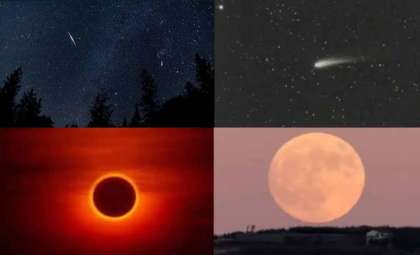
This year, the Orionid meteor shower will contend with moonlight, as the full moon on October 17 means the moon will still be nearly 80% illuminated during the peak nights of October 20-21. This brightness may reduce visibility of fainter meteors, but the inherently brilliant Orionid fireballs should remain visible.
To enhance the viewing experience, avoid sources of artificial light and allow your eyes to adjust to darkness. NASA suggests looking approximately 45 to 90 degrees away from the Orion constellation to catch the most radiant and extended meteor trails. Steering clear of direct moonlight and focusing on darker sky regions optimizes meteor visibility.
Despite the moon’s interference, the upcoming Orionid display promises a spectacular cosmic show, providing a unique opportunity to engage with remnants of one of history’s most iconic comets. Whether an avid astronomer or casual observer, the Orionids offer a memorable celestial event worth witnessing.
- Categories:
- Astronomy ,
- News







0 comments
Sign in to Comment