
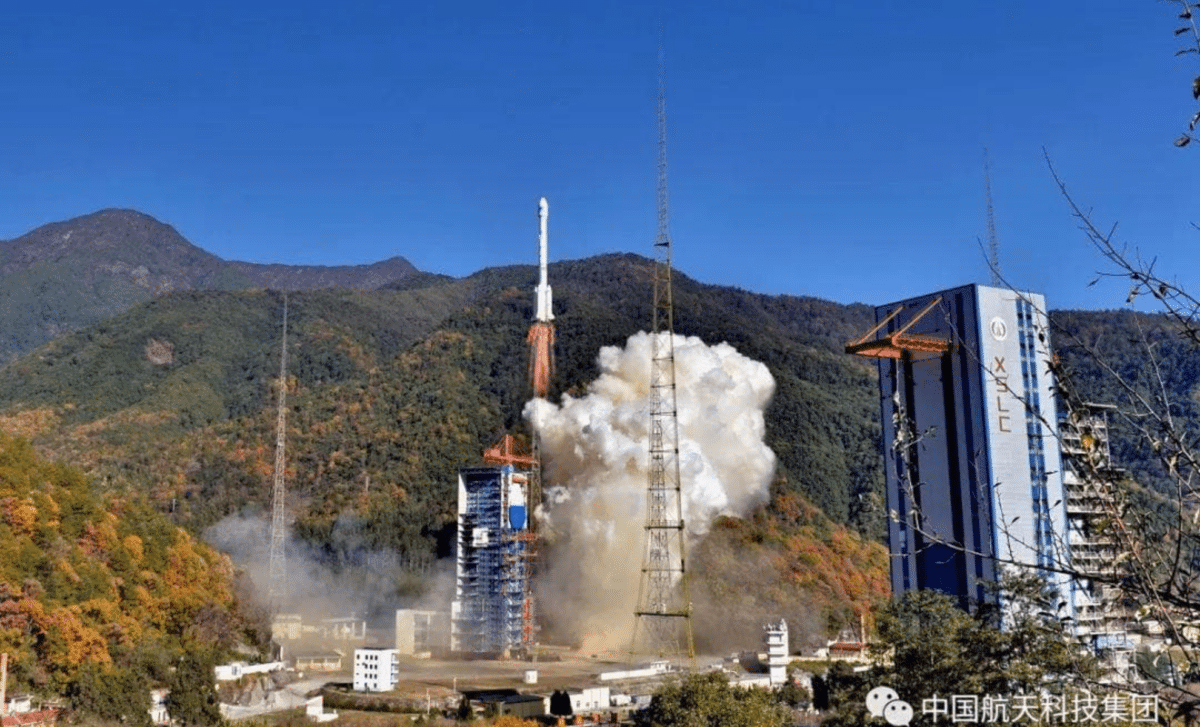
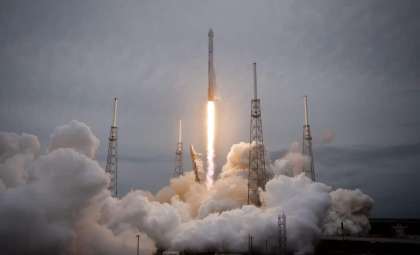
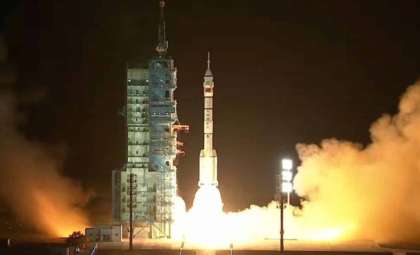
China’s space program faces an unexpected pause as numerous rocket launches planned for February at the Wenchang Space Launch Center have been put on hold. While authorities have yet to confirm the cause, attention centers on the Long March-10A, a new-generation rocket slated for a test flight on February 11.
Widespread Launch Postponements Shake China’s Early 2024 Space Activities
Reports from the South China Morning Post reveal that nearly all scheduled launches for next month at the Hainan-based Wenchang Space Center have been canceled unexpectedly. This disruption has caused confusion and disappointment among space fans and tourists who anticipated witnessing the events firsthand. An anonymous insider from the launch facility said, “Only the test flight for a new type of rocket on February 11 [remains].” This comment strongly suggests that China is focusing efforts on the crucial trial of the Long March-10A, a pivotal vehicle intended to underpin future lunar expeditions.
Une publication partagée par David Alan Arnold (@airbornecamera)
Add Cosmo Herald as a Preferred Source

While no official statement clarifies the cancellations, analysts and space industry insiders suspect recent technical issues as a likely trigger. These abrupt changes come amid heightened scrutiny over China’s space exploration goals and the imperative to demonstrate dependable operations against mounting international rivalry.
Impact on Space Tourism and Public Engagement in China
The Wenchang launch facility has grown into a focal point for space tourism enthusiasts. Tour operators such as Muxi Holiday swiftly announced withdrawal of tours aligned with launches originally planned for February 9, 19, and 24. These adjustments disrupted traveler plans and compelled local businesses to reconfigure their offerings.
Social media posts from hospitality providers in Longlou township have heightened speculation regarding the February 11 mission, reinforcing the notion it involves the Long March-10A. As excitement mounts, so does pressure on space administrators to execute a successful launch, especially in the wake of these unexpected setbacks. The lack of transparent communication from China’s space institutions has also stirred anxieties among observers.
The Crucial Role of the Long March-10A Test Launch
The Long March-10A isn’t merely another vehicle; it is central to China’s aspirations for a manned lunar mission. Engineered to transport heavier cargo, it is designed for complex ventures aiming beyond Earth’s orbit. A triumphant test on February 11 could restore confidence within China’s space initiatives after recent difficulties.
Both Chinese and global aerospace communities are watching its performance closely. A smooth launch will demonstrate technical prowess and determination, whereas any failure might cast doubt on readiness for upcoming critical missions. As noted by SCMP, the rising tension stems partly from official silence, fueling conjecture and heightened expectations.
Global Space Competition Gains New Intensity
The launch delays come at a pivotal moment as international rivals accelerate their space projects. With NASA advancing its Artemis lunar program and SpaceX developing Starship, China faces mounting pressure to avoid setbacks. The Long March-10A acts as China’s answer to Western heavy-lift rockets, potentially shifting space exploration dynamics.
China has achieved noteworthy milestones in recent years, including crewed missions and planetary rovers, yet consistency remains a challenge. The next few days will test China’s resolve and capabilities with global attention focused on Wenchang and the February 11 test flight.
- Categories:
- Space







0 comments
Sign in to Comment