
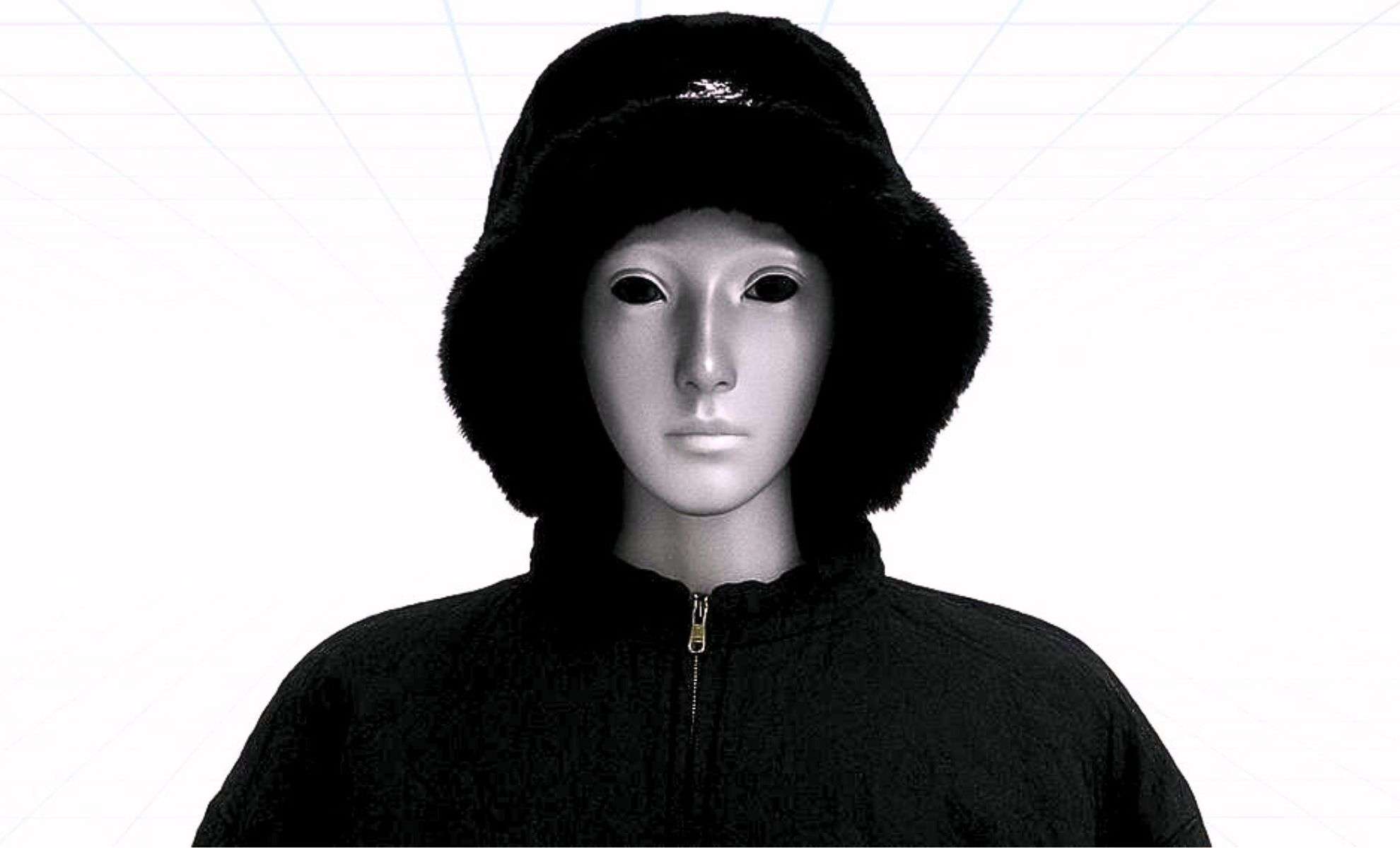
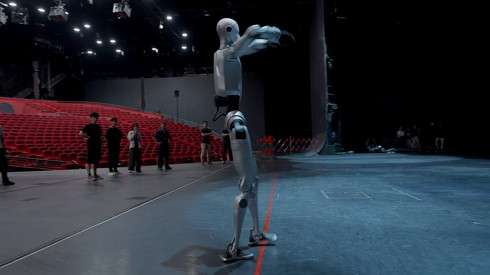
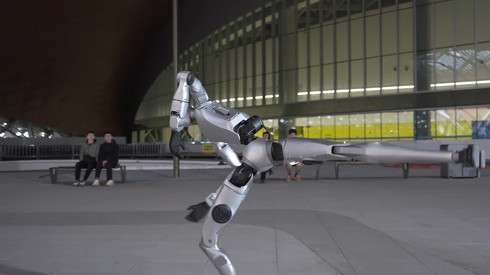
Recently, a short promotional clip showcased a towering humanoid robot executing a slow spin before transitioning into a martial arts pose and moving forward with notable agility. This robot, called H2, is the newest creation from the Chinese company Unitree Robotics. Sporting a fixed, human-like face along with fully flexible limbs, it has attracted worldwide curiosity—not for its aesthetics, but for its embodiment of a shift in the robotics field from mere spectacle to practical use.
China has quickly advanced in the development of bipedal humanoid robots over the last couple of years, a domain previously dominated by academic institutions and science fiction concepts. Known previously for its robotic quadrupeds, Unitree has entered the humanoid arena with a clear focus. Nearly six feet tall and weighing 70 kilograms, the H2 runs off an Intel Core i5 processor paired with NVIDIA’s powerful Jetson AGX Thor AI platform. It offers 31 degrees of freedom, sophisticated motion capabilities, and up to three hours of operation powered by lithium-ion batteries.
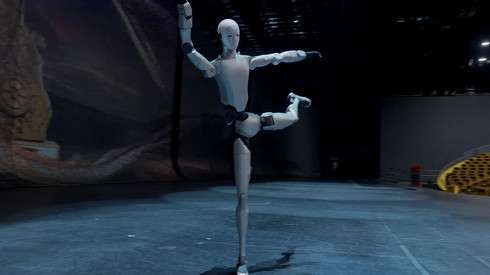
While this may seem like an engineering marvel, China’s aims extend beyond stunning visuals or novelty. The H2 is part of a growing lineup of humanoid robots created by companies such as Ubtech and Zhiyuan Robotics, which are being actively tested and sold for practical industrial functions. Unlike Western showcases that emphasize presentation, China is securing government contracts and integrating these machines into operational roles. This approach prioritizes cost-effective, dependable, and scalable robotic solutions that handle logistics, caregiving, and labor instead of mere entertainment.

According to procurement statistics from Tianyancha, Unitree secured 25 public contracts during the first half of 2025. Meanwhile, domestic competitor Ubtech has achieved industrial orders amounting to hundreds of millions of yuan, deploying robots equipped with autonomous recharging and advanced sensory systems capable of uninterrupted factory work. This surge is supported by strong state investment and policy backing, with humanoid robotics designated a “strategic emerging industry” in China’s current Five-Year Plan.
A Functional Perspective on Humanoid Robots
The H2 and similar models distinguish themselves from earlier machines like Boston Dynamics’ Atlas or Tesla’s Optimus by emphasizing usefulness and affordability. Unitree’s earlier models, the G1 and R1, gained popularity in research and consumer circles due to their accessible pricing and adaptable design. The G1 was sold for less than $16,000, while the R1 retailed for around $5,900, attracting many developers. With the H2, Unitree aims to uphold these values but scale up: prioritizing functionality over flair.
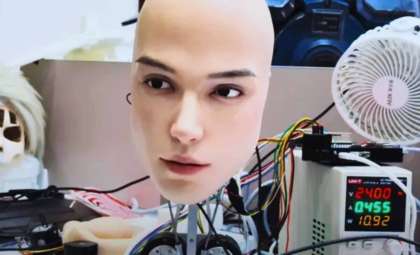
However, the robot’s appearance has divided opinion. Unlike prior models that used blank panels or LED faces, the H2 has a molded plastic head with cameras replacing eyes. It remains expressionless, without blinking or emoting, prompting questions about the intent behind endowing robots with humanlike features that lack emotional interaction. "It's less about looking human and more about ergonomic spatial design," explained Dr. Ting Zhao, a robotics ethicist from Tsinghua University. "But once a robot has a face, people expect emotional cues beyond just functionality."
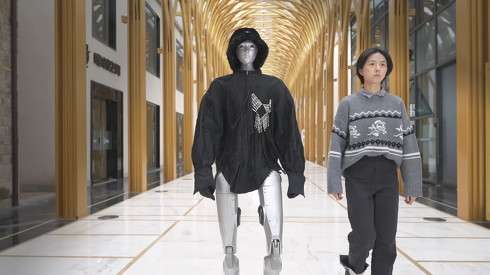
Technically, the H2 is built for adaptability. Its actuators deliver up to 360 newton-meters of torque in the legs, enabling tasks like lifting heavy items, maintaining balance dynamically, and performing repetitive operations on uneven surfaces. It is equipped with dual wide-angle cameras for environment sensing, plus built-in microphones and speakers to facilitate simple human-robot communication.
Implications for Industry and Beyond
The expanding use of humanoid robots in China signals broader trends beyond hardware. A 2024 Kaiyuan Securities report noted that Unitree shipped over 1,400 humanoid units last year, making it the top global producer by volume. Simultaneously, Ubtech robots have achieved approximately 30% of human-equivalent work efficiency on factory floors and are projected to surpass 50% effectiveness by early 2026. These figures underscore China’s strategic emphasis on automated labor solutions as responses to demographic shifts and rising labor costs.
Projections from China's National Bureau of Statistics estimate that by 2035, more than 30% of the population will be aged 60 or older. With a shrinking workforce and increased healthcare demands, humanoid robots are increasingly viewed as essential aids rather than futuristic novelties. China’s capacity for mass production positions it to export these robotic workers worldwide.

Despite progress, challenges endure. Ensuring the seamless integration of software and hardware to operate effectively in complex, unpredictable environments remains difficult. In response, Ubtech developed a multi-modal AI system named Thinker to improve sensing and decision-making, though its real-time functions in crowded settings are still being evaluated.
According to 36Kr Europe, China’s humanoid robotics sector is moving beyond laboratories and exhibition halls, increasingly deployed in manufacturing facilities, healthcare environments, and eventually domestic settings. The ultimate goal isn’t simply to mimic humans but to assist with tasks beyond human capacity.
The H2 is currently undergoing trials in various settings, including demonstration centers and university labs where it supports custom development through open software kits. Its success and public reception will influence how deeply these robots integrate into daily life.
- Categories:
- News





0 comments
Sign in to Comment