
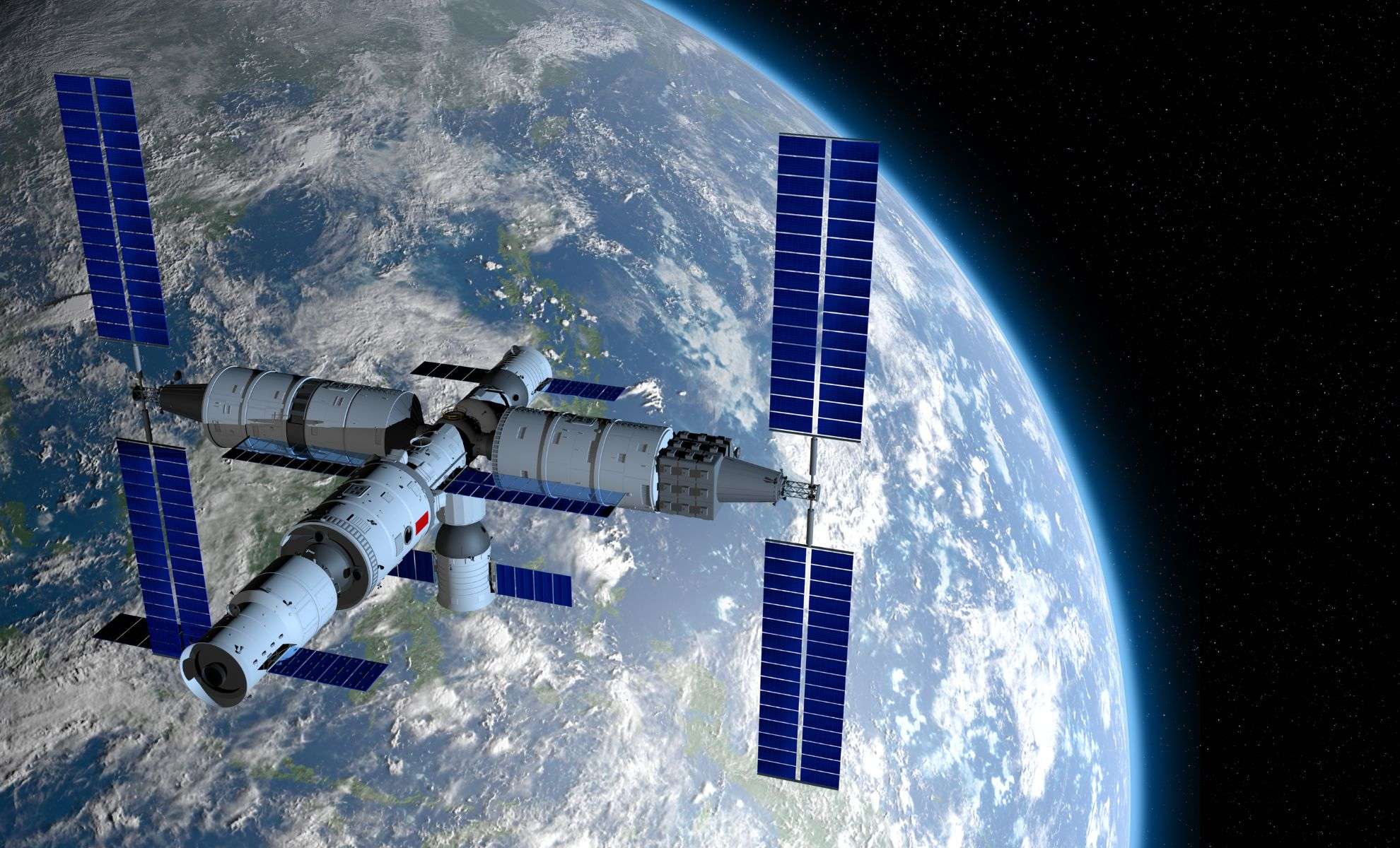
As artificial intelligence increasingly influences global innovation, China has introduced Wukong, its inaugural AI chatbot, to the Tiangong space station. According to Xinhua News Agency, this cutting-edge AI system marks a significant advancement in China’s evolving space initiatives, merging cutting-edge technology with strategic goals in space exploration.
Wukong’s Origin: A Milestone in China’s Space Innovation
Deployed to the Tiangong space station in July 2025, Wukong is engineered to support astronauts by delivering expert assistance on demand. Built from a domestically developed open-source AI framework, Wukong functions as more than just an assistant—it is a transformative tool enhancing astronaut operations. “This system can provide rapid and effective information support for complex operations and fault handling by crew members, improving work efficiency, in-orbit psychological support, and coordination between space and ground teams,” explained Zou Pengfei, a lead engineer behind its creation.
The integration of Wukong marks a pivotal moment in China’s expanding presence in space. With ambitions to boost its technological influence beyond Earth, Wukong is a vital resource to meet the intricate needs of crewed missions and underpin the Tiangong station’s role as a microgravity research hub. As space missions grow increasingly complex, AI-driven solutions such as Wukong are crucial for overcoming operational challenges faced by crews on lengthy expeditions.

AI Support in Orbit: How Wukong Enhances Crew Performance
Wukong operates primarily by assisting astronauts with a variety of tasks including providing real-time information and managing technical troubleshooting. The AI is split into two components: one based on Earth for detailed analysis, and another onboard the station to address immediate operational issues. This setup allows Wukong to deliver prompt answers while also offering complex problem-solving support as needed.
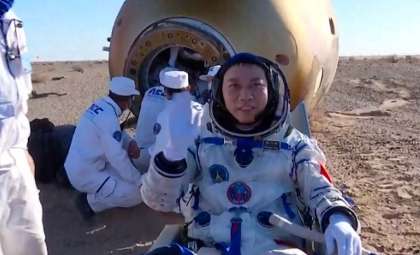
“The content it offered is highly comprehensive,” said Wang, an astronaut who tested the AI. Such extensive support is critical within the high-stakes and unpredictable environment of space. Whether performing extravehicular activities, running experiments, or addressing equipment faults, Wukong supplies timely guidance aimed at ensuring mission success.
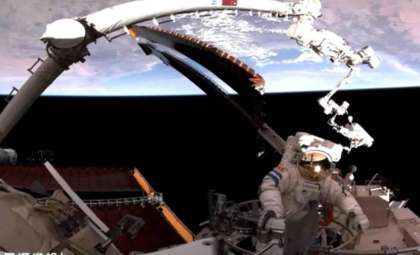
During its initial trial, Wukong aided astronauts over a six-and-a-half-hour spacewalk focused on installing debris shields and inspecting the station. This marked the first occasion where China leveraged a large language model in orbit, highlighting a major breakthrough for its space endeavors.
Comparing Wukong to Existing Space AI Technologies
While NASA utilizes AI systems like CIMON and Astrobee robots to aid astronauts aboard the International Space Station, Wukong distinguishes itself by emphasizing spaceflight navigation and specialized mission support customized for Tiangong. CIMON provides emotional encouragement and Astrobee handles routine tasks, but Wukong’s capabilities extend to aerospace flight data and addressing unique challenges faced during missions.
Unlike more general-purpose AI tools, Wukong is tailored to assist in complex procedures demanding expert understanding of spacecraft mechanisms and scientific operations. Its combined real-time onboard aid and ground-based analytic support make it a well-rounded solution designed for the demands of future crewed space missions.
Wukong’s Role in Shaping the Future of Space Exploration
Looking forward, Wukong is expected to shape how artificial intelligence integrates with spaceflight as China advances plans for the Tiangong station and pursues missions beyond Earth orbit, including lunar expeditions. Given China’s goal to establish logistics systems between Earth and the Moon, Wukong will likely be critical in supporting prolonged missions that involve intricate tasks.
Moreover, Wukong’s introduction aboard Tiangong may herald a future where AI not only assists astronauts but also takes on autonomous operation roles. From conducting scientific investigations to potential Mars missions, AI capabilities will evolve to provide adaptive decision-making and problem-solving, crucial for human success in deep space exploration.
- Categories:
- News






0 comments
Sign in to Comment