
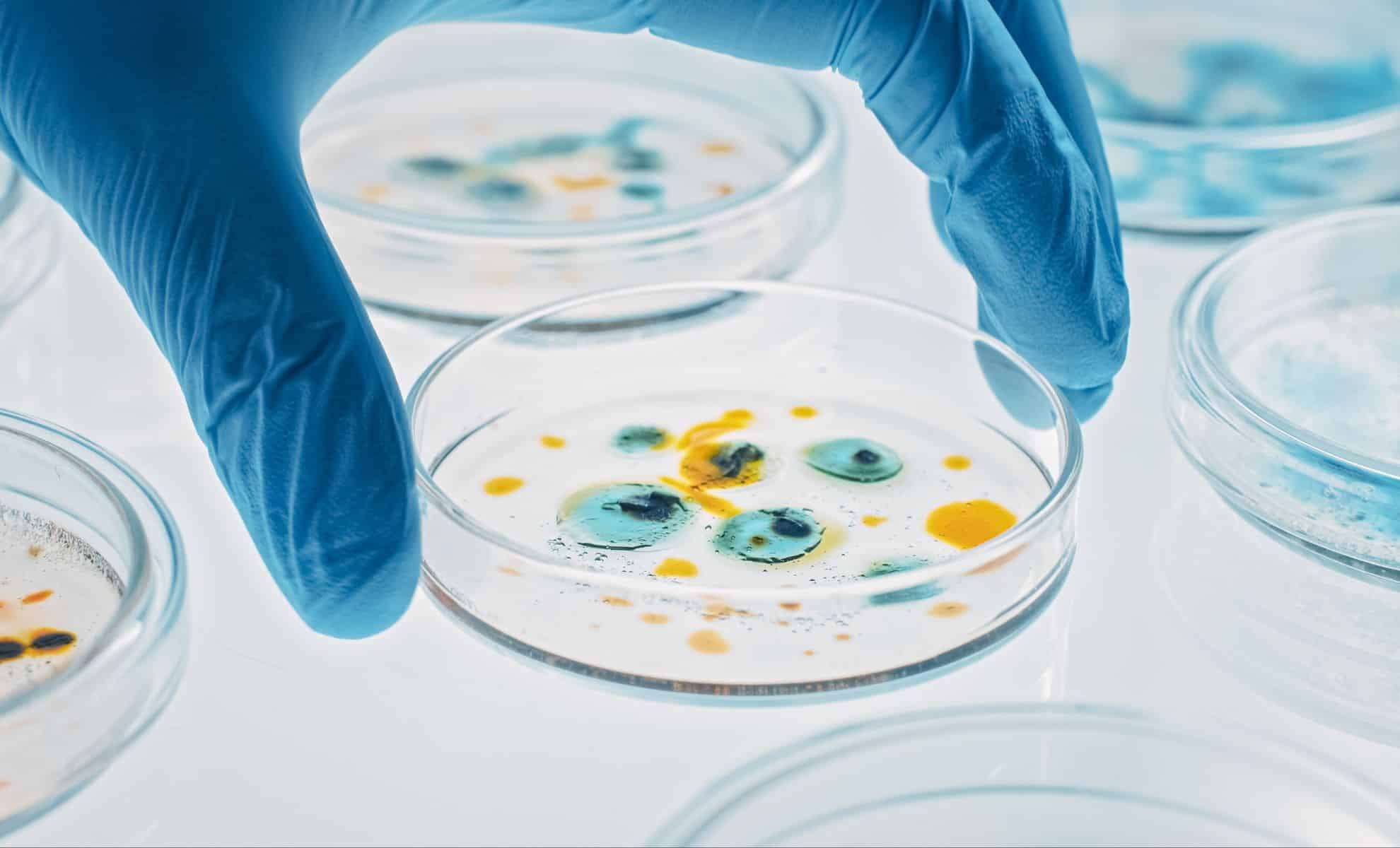
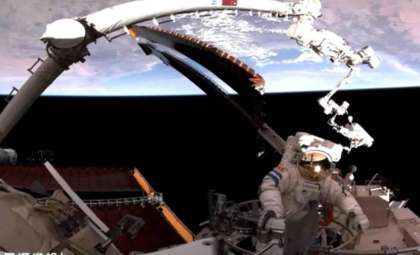
Researchers in China have uncovered a previously unknown bacterial species aboard the Tiangong Space Station, marking a groundbreaking development in the study of microbes thriving beyond Earth. As detailed by the South China Morning Post, the microorganism dubbed Niallia tiangongensis was isolated from the station’s interior during the Shenzhou-15 expedition in May 2023. This discovery is the first of its kind in China's orbital lab and provides valuable data on how microbes survive and adapt in space's extreme settings, with potential benefits for astronaut health and spacecraft system maintenance.
Remarkable Survival Traits of Niallia tiangongensis in Orbit
This distinctive bacterial strain shows exceptional ability to endure the rigorous conditions encountered on the Tiangong Station. The microgravity, heightened radiation, and oxidative stress in space pose serious threats to cellular structures. Scientists have found that Niallia tiangongensis possesses advanced mechanisms to neutralize oxidative stress, balancing reactive oxygen species with its cellular defenses. This enhanced resilience enables the microbe to repair radiation-induced damage more effectively than its terrestrial kin, offering insights that could enhance protection strategies for astronauts during long-term missions against microbial risks.
Consequences for Crew Safety and Spacecraft Integrity
Investigating microbial life aboard space stations is crucial not only to comprehend survival in extreme habitats but also to maintain spacecraft functionality and astronaut well-being. Microorganisms can degrade materials, alter cabin air quality, or disrupt instruments. The identification of Niallia tiangongensis illustrates bacterial adaptation within closed, artificial ecosystems. The China Space Station Habitation Area Microbiome Programme (Champ) tracks microbial population changes during extended stays to predict and mitigate microbial threats. Such findings may lead to refined microbial management techniques, ensuring safer environments for space crews and extending spacecraft longevity.

Earthbound Benefits and Future Biotechnological Potentials
Aside from its role in space missions, Niallia tiangongensis has promising terrestrial uses. Its capacity to degrade specific organic substances points to potential applications in eco-friendly waste processing, transforming hazardous materials into valuable byproducts. These microbial functions could be adapted for sectors like agriculture, industry, or healthcare, where microbial regulation is essential. The unique conditions aboard the Tiangong Station offer a special platform to study microbial genetics and metabolism beyond Earth’s influences, potentially driving advancements in biotechnology. Continued investigations into space microbiology may contribute significantly to sustainable practices and resource optimization on Earth.
- Categories:
- News





0 comments
Sign in to Comment