
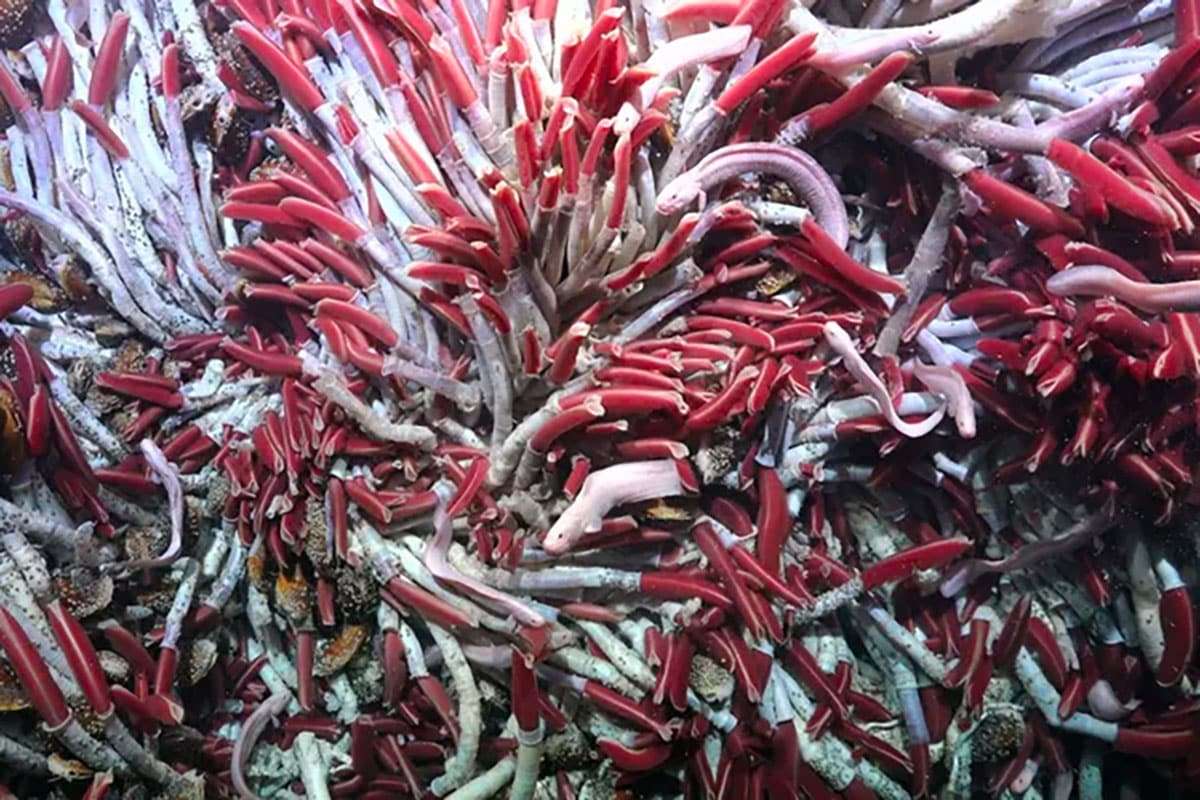
Exploring depths beyond 2,500 meters, scientists aboard the vessel Falkor have uncovered a vibrant ecosystem bustling with remarkable life forms. Utilizing sophisticated submersibles, the Schmidt Ocean Institute’s expedition delved into the Pacific seafloor, uncovering a wide variety of marine organisms living inside hydrothermal fluid-filled cavities.
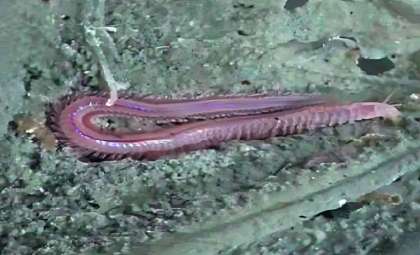
One of the most astounding findings includes worms stretching up to three meters in length. These massive animals, alongside diverse gastropods, cephalopods, and newly identified mollusks, have uniquely adapted to endure these harsh settings. The detection of larvae within these voids indicates juvenile creatures may colonize the habitat through hydrothermal vent flows, hinting at a connection between subterranean and seafloor ecosystems.
This discovery is groundbreaking as it represents the first observation of such large fauna inhabiting these geological formations. While microbial life was already known to exist in hydrothermal vents, uncovering complex, measurable organisms within the oceanic crust challenges previous assumptions.

Geological features fostering deep-sea life
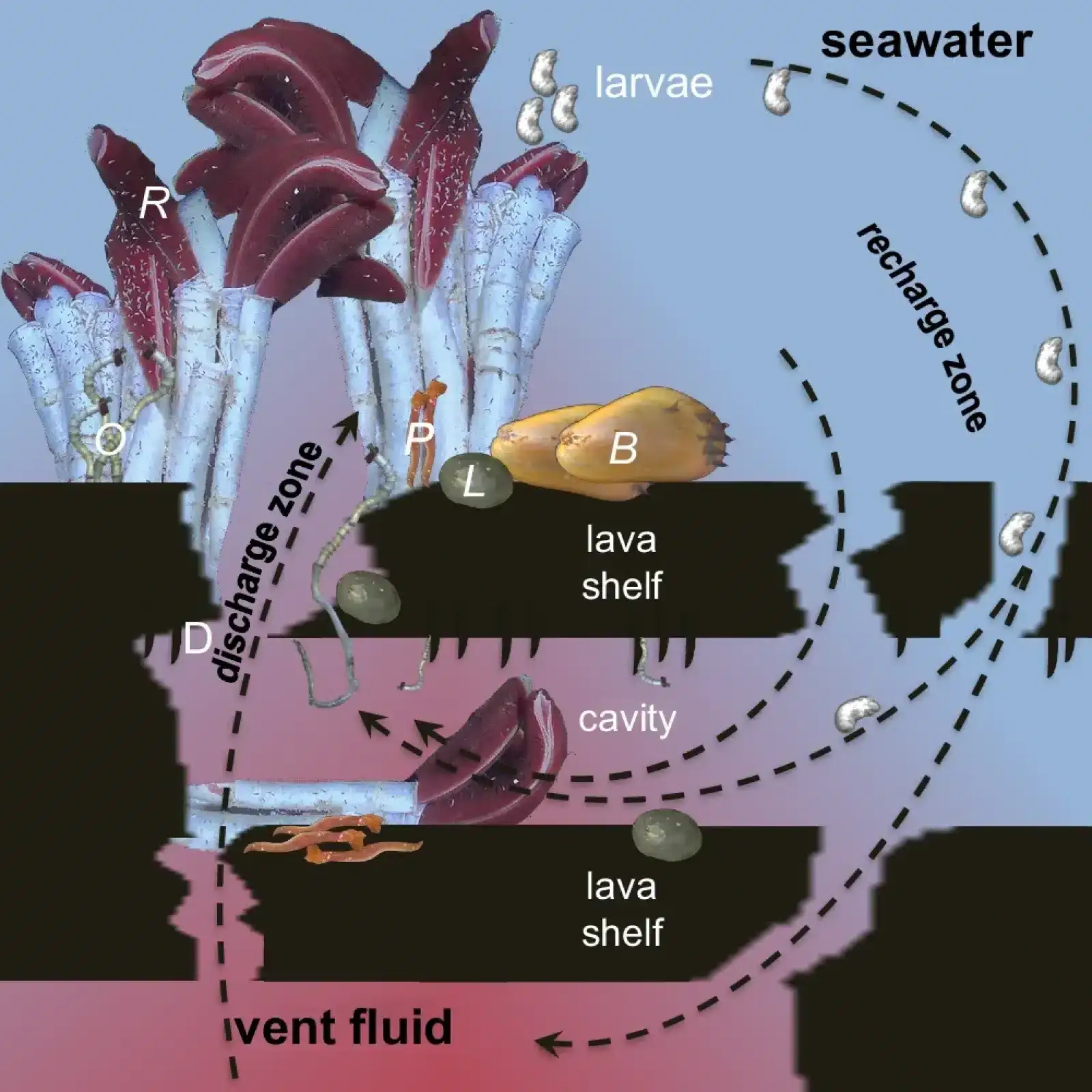
The presence of thriving communities is attributed to distinctive geological formations called hydrothermal chimneys. These structures create conditions suitable for life in environments once believed uninhabitable. The interaction of cold ocean water with hot hydrothermal fluids forms a dynamic habitat supporting a range of species.
An internal view of lobate lava formations reveals:
- Interconnected lava plates featuring enclosed cavities
- Drip formations on the ceilings of cavities
- Numerous fissures permeating the lava layers
- A recharge zone where cool seawater blends with heated hydrothermal fluids
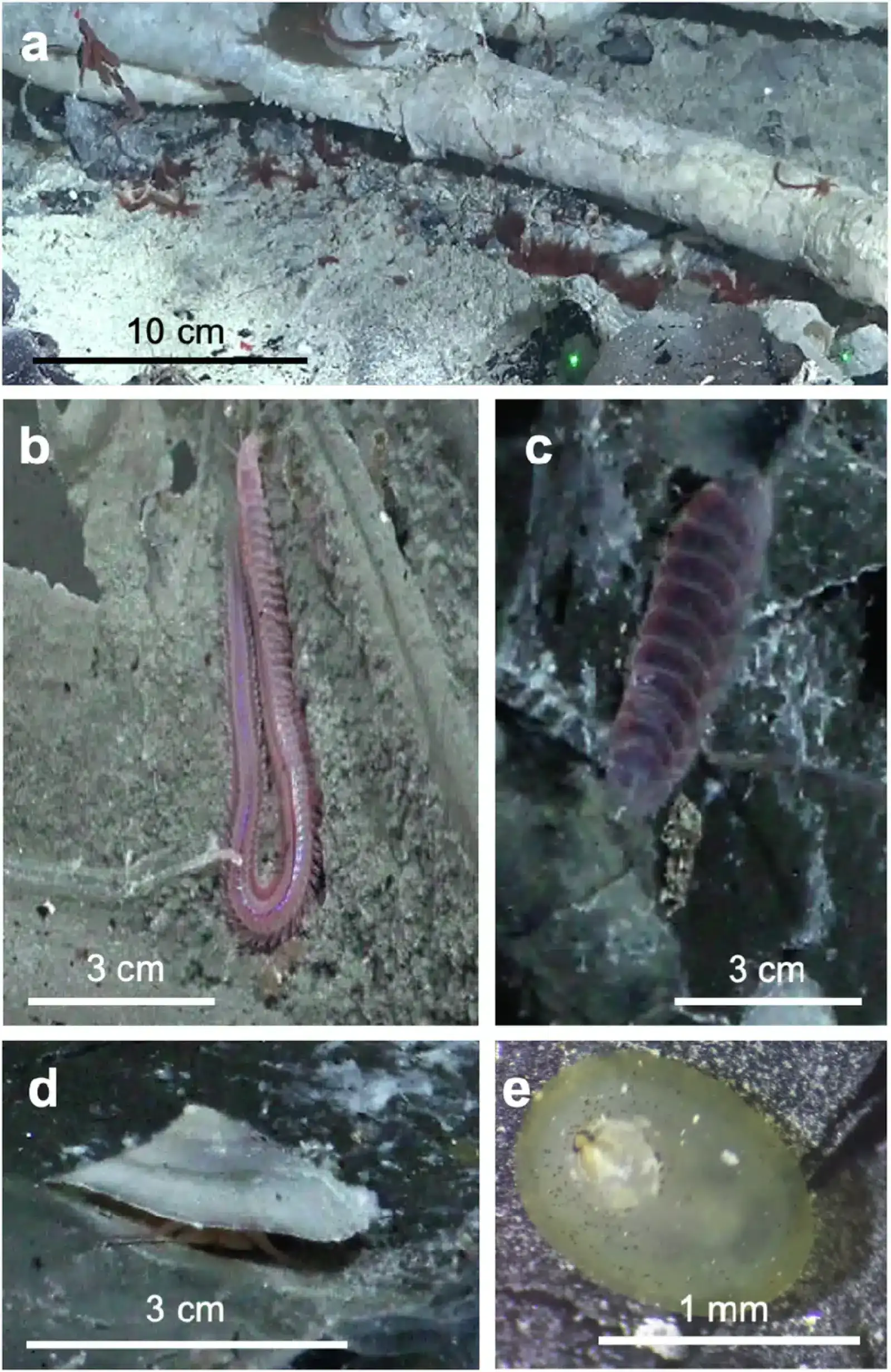
This intricate geological network offers habitats for a variety of organisms, including:
Significance for marine science and ecosystem preservation
This unprecedented observation considerably enhances our comprehension of oceanic ecosystems. It indicates that vast regions of the oceanic crust could support complex life forms, significantly broadening the range of potential habitats in the deep sea. This insight may transform marine biodiversity studies and lead to discovering species specialized for extreme habitats.
The interrelation between these subterranean communities and ocean floor ecosystems raises intriguing questions about deep-sea biological processes. It also underscores the fragility of these habitats, especially given increasing pressures from human ventures like deep-sea mining. Recent breakthroughs in deep-sea acoustic research have uncovered elusive predators, further illuminating the complexity below the waves.
Continued oceanic exploration promises more astonishing revelations. The recent identification of a giant blue hole in deep waters reminds us how much remains to be understood about our planet’s submerged wilderness. These discoveries highlight the critical need for ongoing scientific investigation and protection of these delicate ecosystems.
Prospects for future research and open mysteries
Despite this breakthrough, numerous questions persist. The true magnitude of these underground habitats remains unknown, with some experts speculating life might extend far deeper into Earth’s crust. Yet, increasing depths pose escalating environmental challenges for both living organisms and scientific probes.
Upcoming studies will likely prioritize:
- Charting the full spread of subterranean marine ecosystems
- Examining the survival mechanisms of extremophile species
- Searching for undiscovered organisms
- Evaluating the threats posed by deep-sea mining activities
As exploration advances, our understanding of marine life keeps expanding. The finding of giant creatures beneath the ocean floor serves as a powerful testament to the mysteries still hidden in the Earth’s final frontiers.
- Categories:
- Science





0 comments
Sign in to Comment