
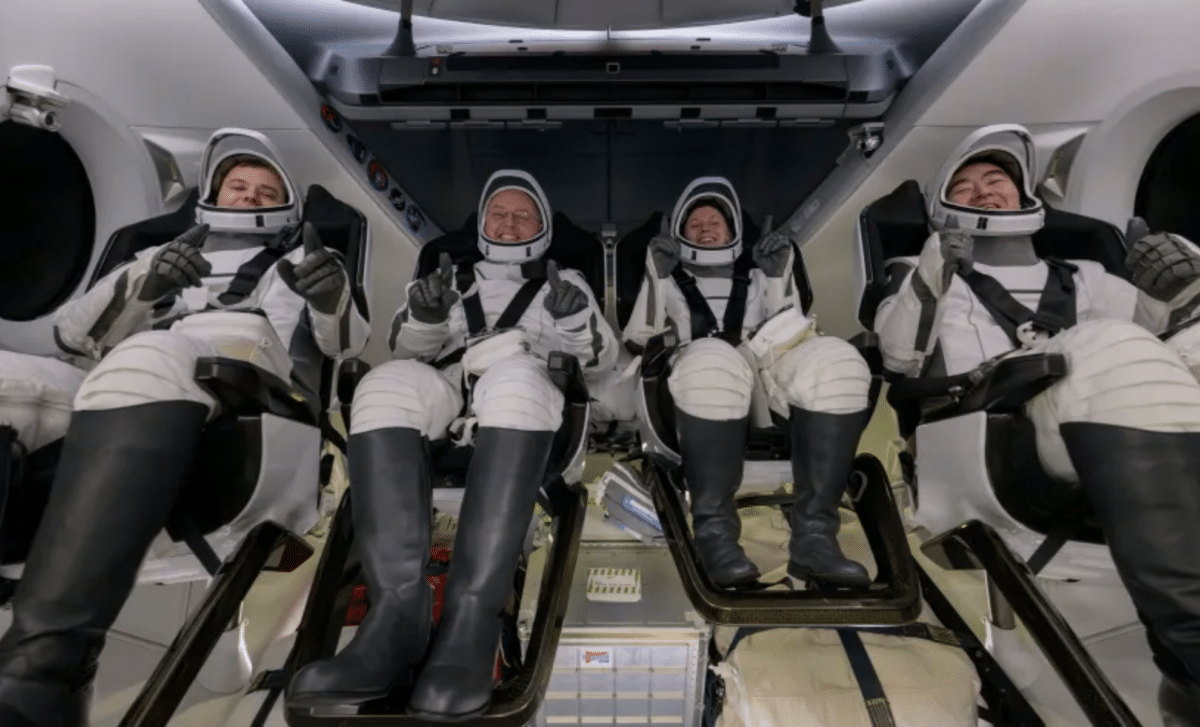
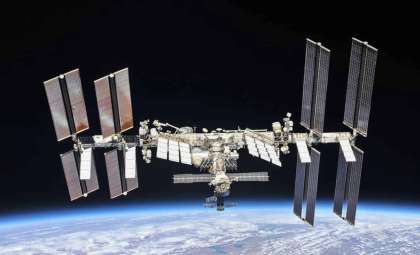
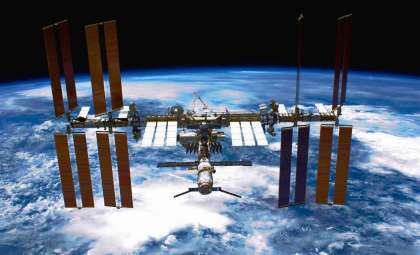
The recent return of a four-astronaut team from the International Space Station (ISS) has highlighted the crucial contribution of a portable ultrasound device in handling a medical crisis during their mission. Although the crew has kept specifics confidential, they have confirmed that this incident resulted in NASA’s inaugural in-flight medical evacuation in the annals of human space exploration.
Onboard Ultrasound Device Proves Vital
On January 7, while aboard the ISS, one astronaut experienced a sudden health issue that caused the cancellation of a scheduled spacewalk. The team promptly employed a portable ultrasound machine to evaluate the astronaut’s condition. NASA astronaut Mike Fincke shared that this equipment was routinely used to track physiological changes in microgravity but became indispensable during this emergency.
“So when we had this emergency, the ultrasound machine came in super handy,” Fincke said.
Add Cosmo Herald as a Preferred Source

The multinational crew, representing NASA, Roscosmos, and JAXA, relied on their comprehensive medical training and composed teamwork to navigate the emergency aboard the SpaceX Dragon Endeavour. After returning safely to Earth, the astronauts credited their pre-mission preparation for enabling them to manage the situation with confidence.
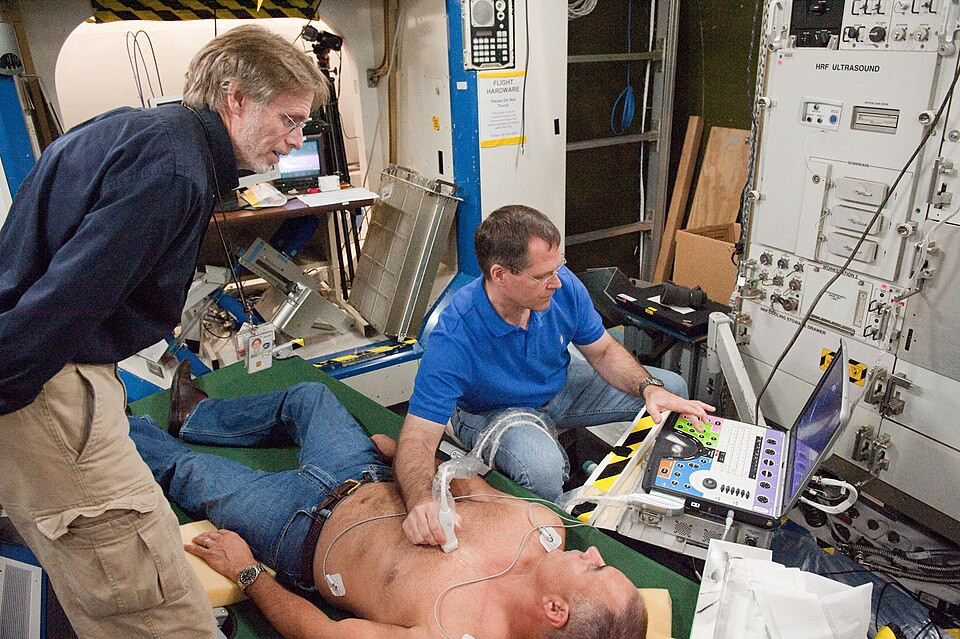
“Obviously, we don’t have access to the larger equipment available on Earth,” Fincke remarked. “We always try to ensure that crew members are well-prepared to avoid surprises, but unexpected issues do arise, and we were ready to respond.” This event highlights the increasing significance of compact, dependable diagnostic instruments for extended space missions, particularly those venturing further from Earth in the years ahead.
Implications for Future Deep Space Missions
The mission was cut short by more than a month as NASA and SpaceX efficiently coordinated the astronaut’s early return, prioritizing health and safety. According to AP News, splashdown occurred near the California coast on January 15, with recovery crews and medical personnel promptly attending to the astronauts. This episode marks a milestone in space medicine readiness, demonstrating that astronauts can effectively manage critical health situations without Earth-based hospital facilities.
Japanese astronaut Kimiya Yui reflected on the incident, emphasizing the importance of thorough training and teamwork.
“We can handle any kind of difficult situation,” Yui said. “This is actually very, very good experience for the future of human spaceflight.”
His statement signals growing assurance among international space programs as they prepare for longer voyages to the Moon and Mars, where immediate medical aid from Earth will be unavailable. The deployment of real-time diagnostic technologies like ultrasound devices may soon become an essential component of all crewed missions.
Return to Earth and Future Outlook
After spending five and a half months in orbit—shortened from the intended six and a half—the astronauts landed safely in the Pacific Ocean and were quickly recovered by SpaceX’s recovery vessel SHANNON. Their replacements greeted them in Houston, though not as originally planned in orbit.
“We were hoping to give them hugs in space, but we gave them hugs on Earth,” Fincke said.
This heartfelt reunion closed a mission that will likely influence the design and preparedness of future spaceflights. Although the exact medical details remain private, NASA and crew affirm that their response was swift, accurate, and effective. This discretion upholds astronaut privacy while underscoring the gravity of the emergency which warranted NASA’s first-ever urgent evacuation from the ISS.
- Categories:
- Space





0 comments
Sign in to Comment