
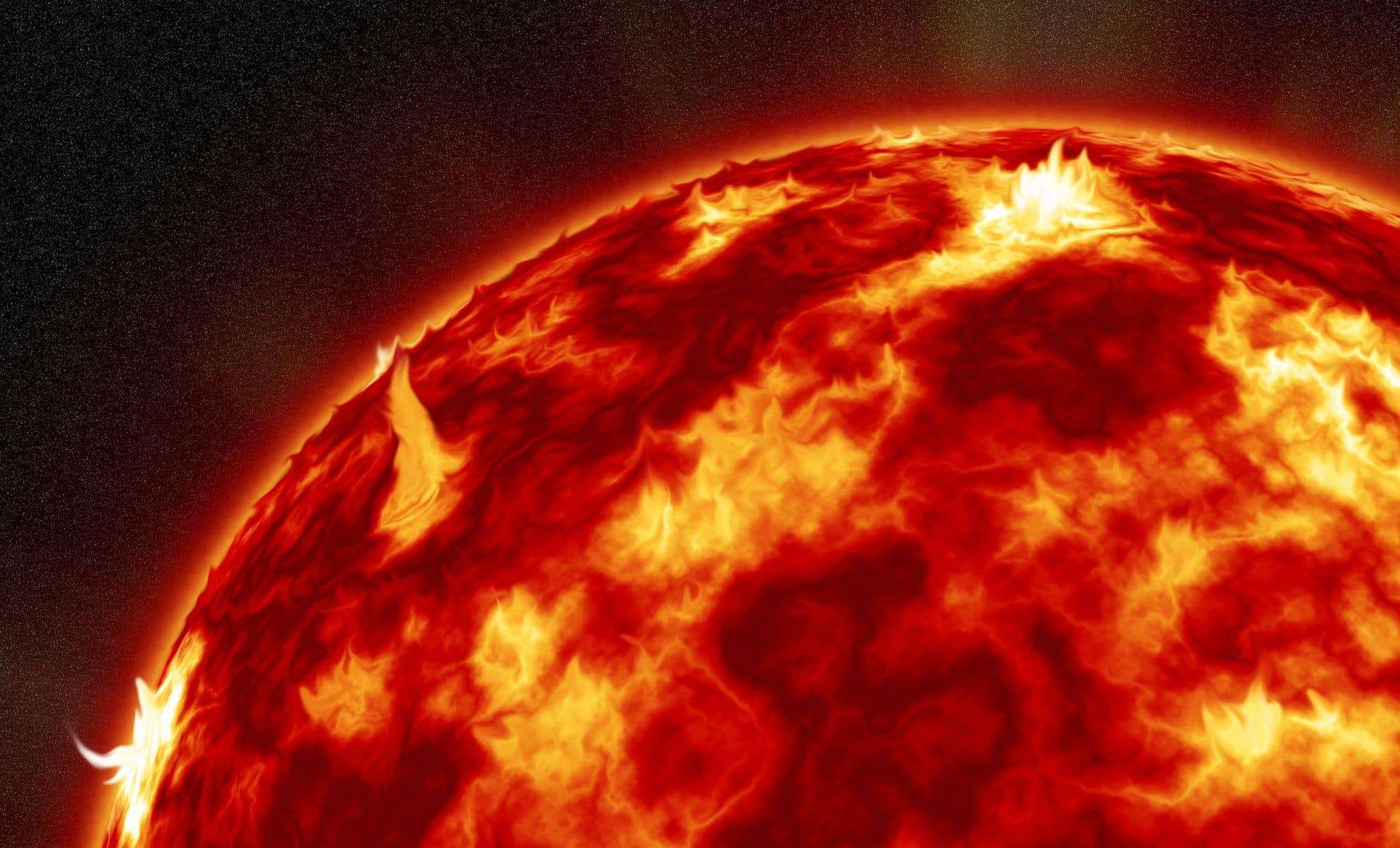
In a recent multi-agency simulation, critical weaknesses were uncovered in the United States' readiness to handle an intense solar storm capable of disrupting essential infrastructure and compromising national security. The drill was coordinated by the Space Weather Operations, Research, and Mitigation (SWORM) task force, uniting key agencies including the National Oceanic and Atmospheric Administration (NOAA) and the Department of Homeland Security (DHS) to mimic the effects of a powerful geomagnetic storm.
A comprehensive report published after the May 2024 exercise highlights critical gaps in forecasting accuracy and emergency response capabilities related to severe space weather phenomena.
Details of the Solar Storm Simulation
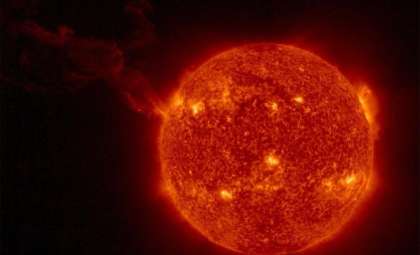
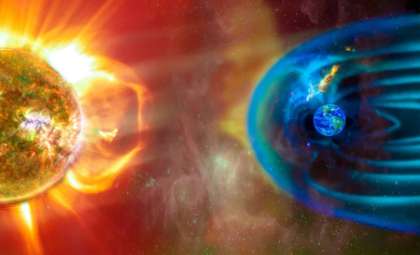
This two-day event was conducted at the Johns Hopkins Applied Physics Laboratory in Maryland and a FEMA facility in Denver, Colorado. It encompassed four scenarios simulating a sequence of solar events such as coronal mass ejections (CMEs) with broad impacts on Earth’s technology networks. Participants navigated an eight-day crisis set in early 2028, during which solar activity produced a major CME aimed directly at Earth.

The exercise confronted responders with challenges like widespread radio outages, GPS failures, power grid disruptions, heightened radiation hazards for astronauts and satellites, and complications in satellite tracking. These issues were intensified by the presence of Artemis mission crews near and on the Moon, underscoring the critical impact of space weather on human-space exploration.
Limitations in Space Weather Forecasting
A major finding was the extremely narrow window—often only 15 to 45 minutes—available to forecast the magnetic structure and intensity of incoming CMEs once they approach Earth. Shawn Dahl, who coordinates services at the NOAA Space Weather Prediction Center, notes that this time constraint hinders effective protective actions by governmental and infrastructure bodies.
The report stresses that current technologies fall short of predicting a CME’s true impact until its arrival in Earth's vicinity, severely limiting preparedness and amplifying risk to critical systems.
The Intense Geomagnetic Disturbance of May 2024
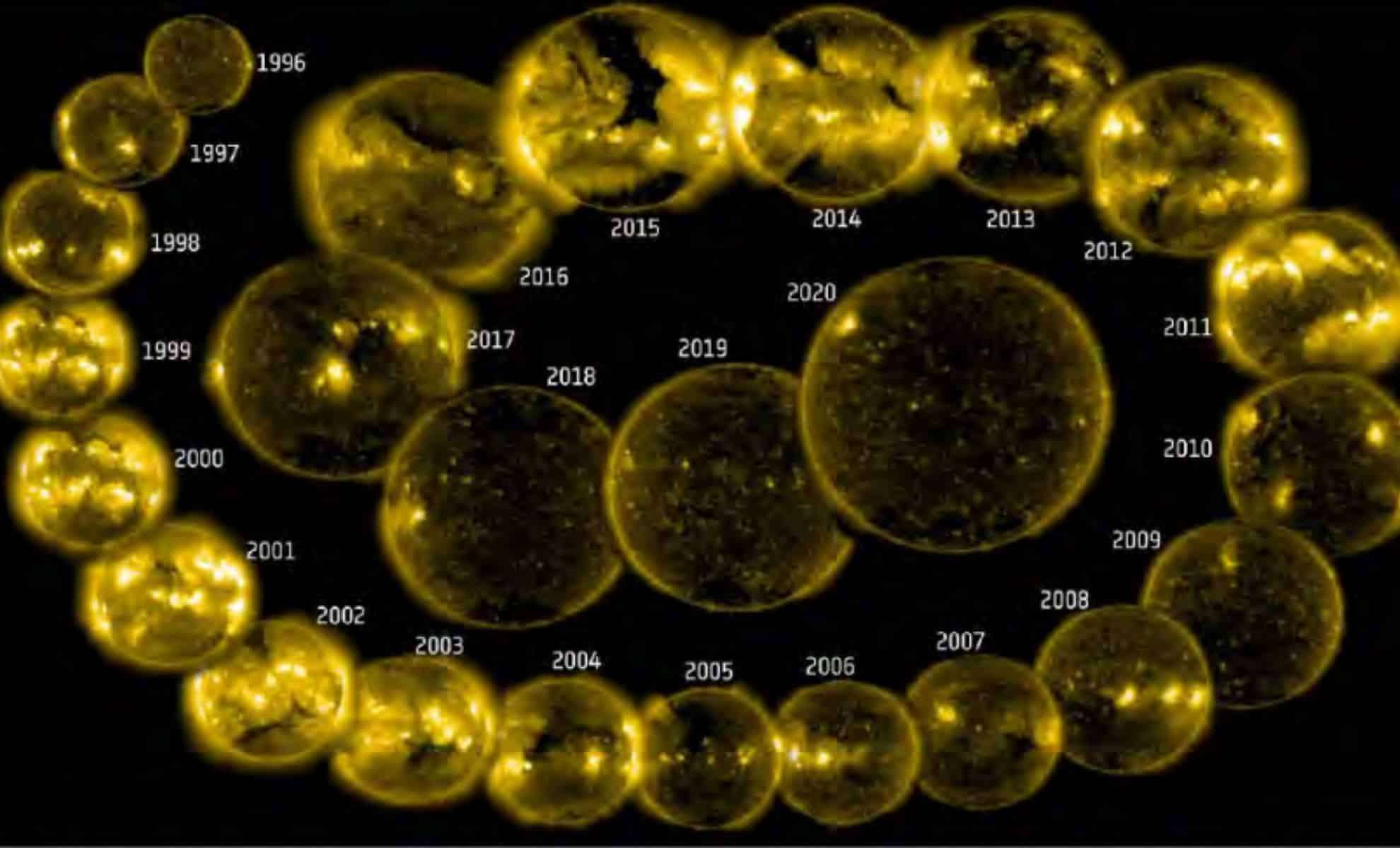
Nearly concurrent with the drill, our planet was struck by a G5-class geomagnetic storm—the strongest in over twenty years—triggered by massive solar plasma emissions. This storm caused localized power outages and lit up the skies with vivid auroras visible across wide regions. Additionally, increased atmospheric drag in low Earth orbit affected satellite trajectories.
This real event provided valuable insights into the risks facing satellite systems and electrical grids from severe solar activity.
Steps Toward Better Space Weather Defense
The exercise’s outcome recommends heavy investment in advanced space weather observation satellites, along with deploying additional ground and space sensors to enhance real-time solar monitoring. It also calls for improved collaboration among federal agencies, private industry, and international partners to establish coordinated response mechanisms.
The report highlights the necessity of treating space weather threats with the urgency given to other natural disasters: “Sustained preparation for solar storms is vital as extreme events could gravely damage critical infrastructure and threaten national security. Similar to how we ready ourselves for earthquakes, hurricanes, and cyberattacks, proactive measures for space weather events must be prioritized.”
- Categories:
- Space





0 comments
Sign in to Comment