
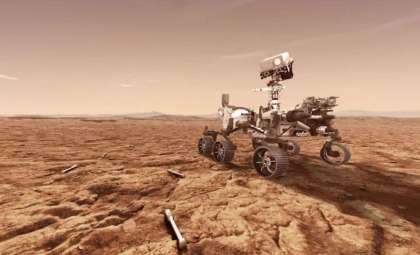
NASA’s Curiosity rover has uncovered captivating new evidence on Mars, deepening insight into the planet’s distant past. While stationed at a recently reached area within Gale Crater, the rover unearthed surprising geological features that are prompting scientists to revisit hypotheses about Mars’ ancient environment. According to NASA’s mission blog, these findings shed light on complex planetary processes and suggest a richer Martian history than previously imagined.
Groundbreaking Discoveries From Curiosity’s Latest Martian Site
Having paved the way for Martian exploration, NASA’s Curiosity rover has recently raised new questions about the Red Planet’s geological story by settling in a secure and scientifically promising location. As documented on NASA’s official site, this new spot in Gale Crater enables the rover to execute precise scientific observations, revealing clues that may significantly reshape our understanding of Mars’ environmental evolution.
With every investigative phase, Curiosity continues to probe Mars’ rock formations, uncovering intricate mineral deposits and fracture networks hinting at the presence of ancient sub-surface water flows. These results fuel the hypothesis that Mars could have supported habitable conditions. By scrutinizing these geological clues, experts gain critical perspectives on the planet’s history and its potential for past life.

Scientific Focus and Revolutionary Targets
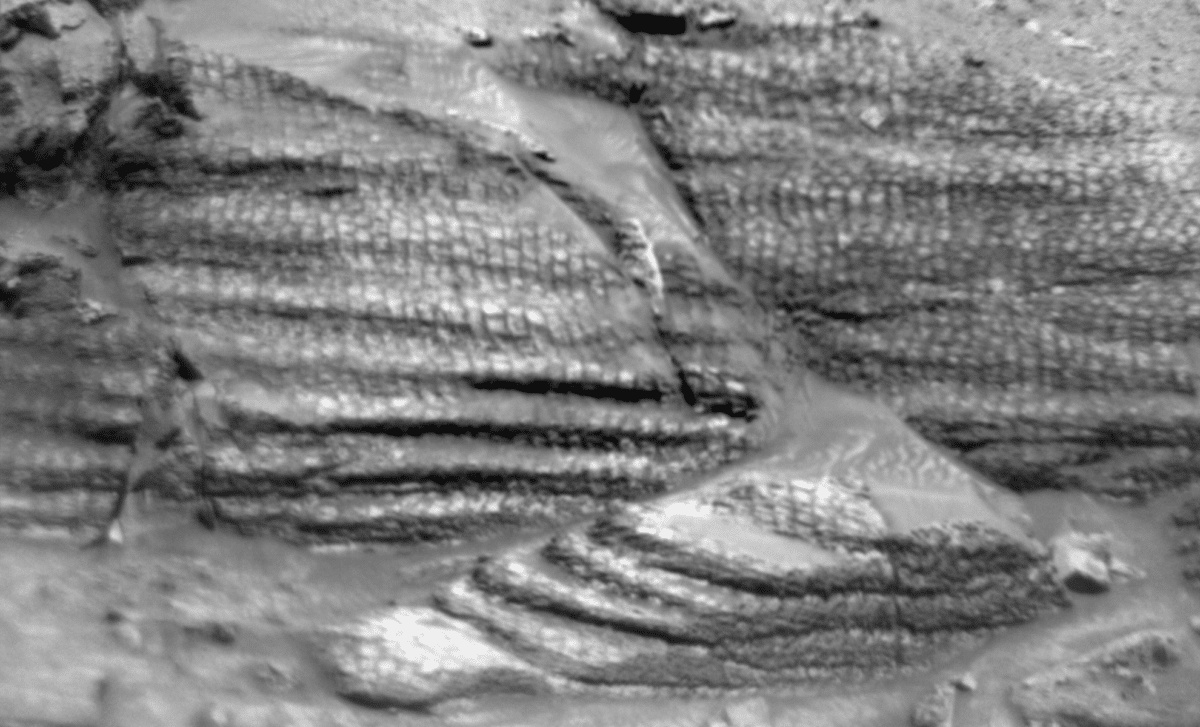
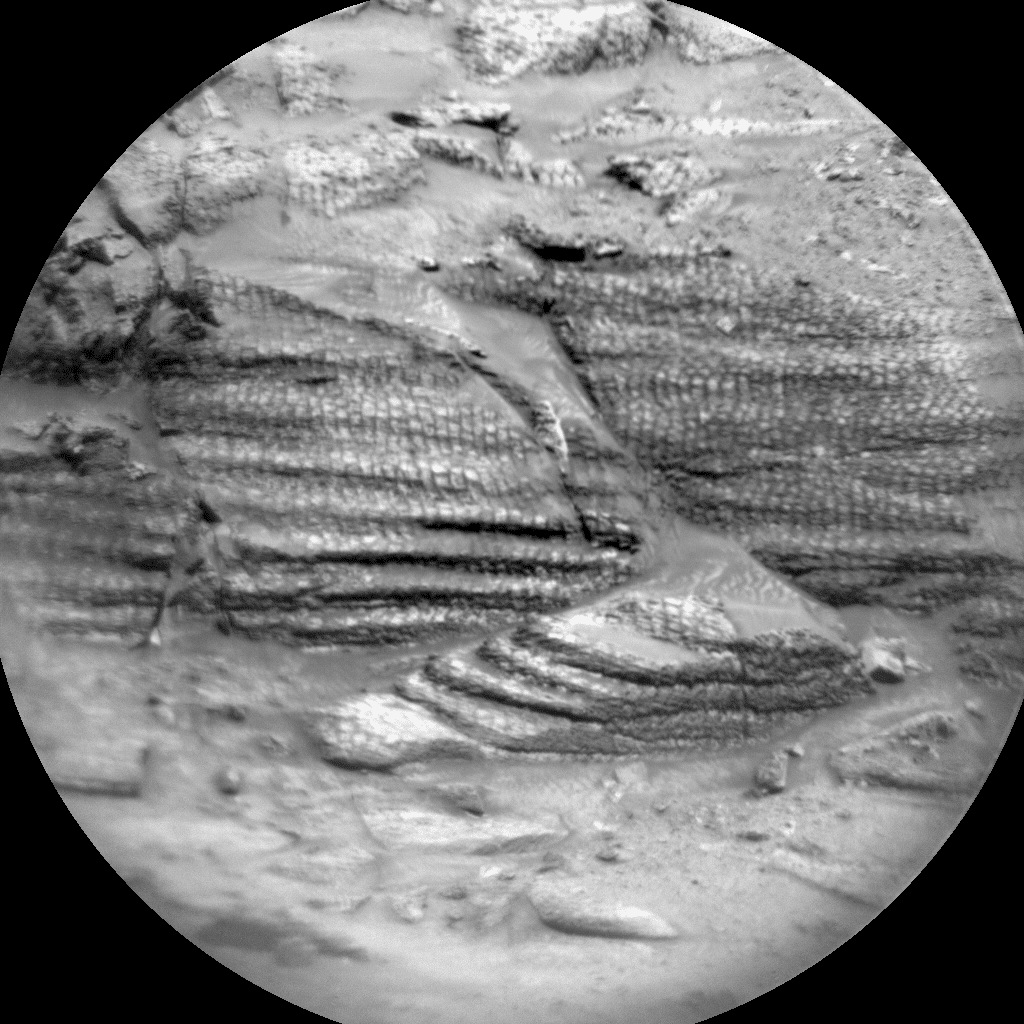
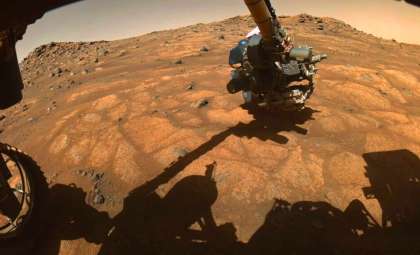
The rover’s current research centers on a bedrock section named Tarija, noted for its distinct mineral lattice structures. These “boxwork” textures offer compelling evidence of historic water movement on Mars, reinforcing Curiosity’s mission to decode the planet’s ancient habitability.
One remarkable advantage of Curiosity’s current position is its capability to capture detailed imagery of nearby linear ridges north of the rover. These landforms may result from tectonic stress or the drainage of subsurface fluids, potentially unlocking secrets about the shifts in Mars’ environmental conditions and the processes behind its dramatic climate transformation.
Unraveling Ancient Habitats Through Fractures and Mineral Deposits
Investigations have also focused on Laguna del Bayo, a site where mineral-rich fluid deposits may have filled fractures post-rock formation. These fracture-fill occurrences provide key chemical records that scientists analyze to understand Mars’ evolving geochemical environment, which predates its current barren state.
Revisiting earlier study areas, such as Mishe Mokwa, enables the team to compare new findings with previous data. This approach helps detect subtle environmental changes over time, offering important clues about Mars’ climatic stability and its implications for long-term habitability.
Advancing Exploration With Autonomous Scientific Investigations
Looking ahead, Curiosity is entering a dynamic phase, with plans to travel approximately 54 meters (177 feet) to a new site chosen for its scientific promise and stability. Upon arrival, it will switch to an autonomous operational mode where onboard instruments independently select surface features to investigate, markedly enhancing the rover’s exploratory efficiency.
The ChemCam instrument will be vital in this autonomous mode, pinpointing and analyzing promising minerals and rocks without human inputs. Meanwhile, the Mars Descent Imager (MARDI) will capture detailed images beneath the rover. Concurrent environmental sensors will track atmospheric data, including dust density and dust devils, enriching our comprehensive knowledge of Martian surface and climate dynamics.
- Categories:
- Space





0 comments
Sign in to Comment