
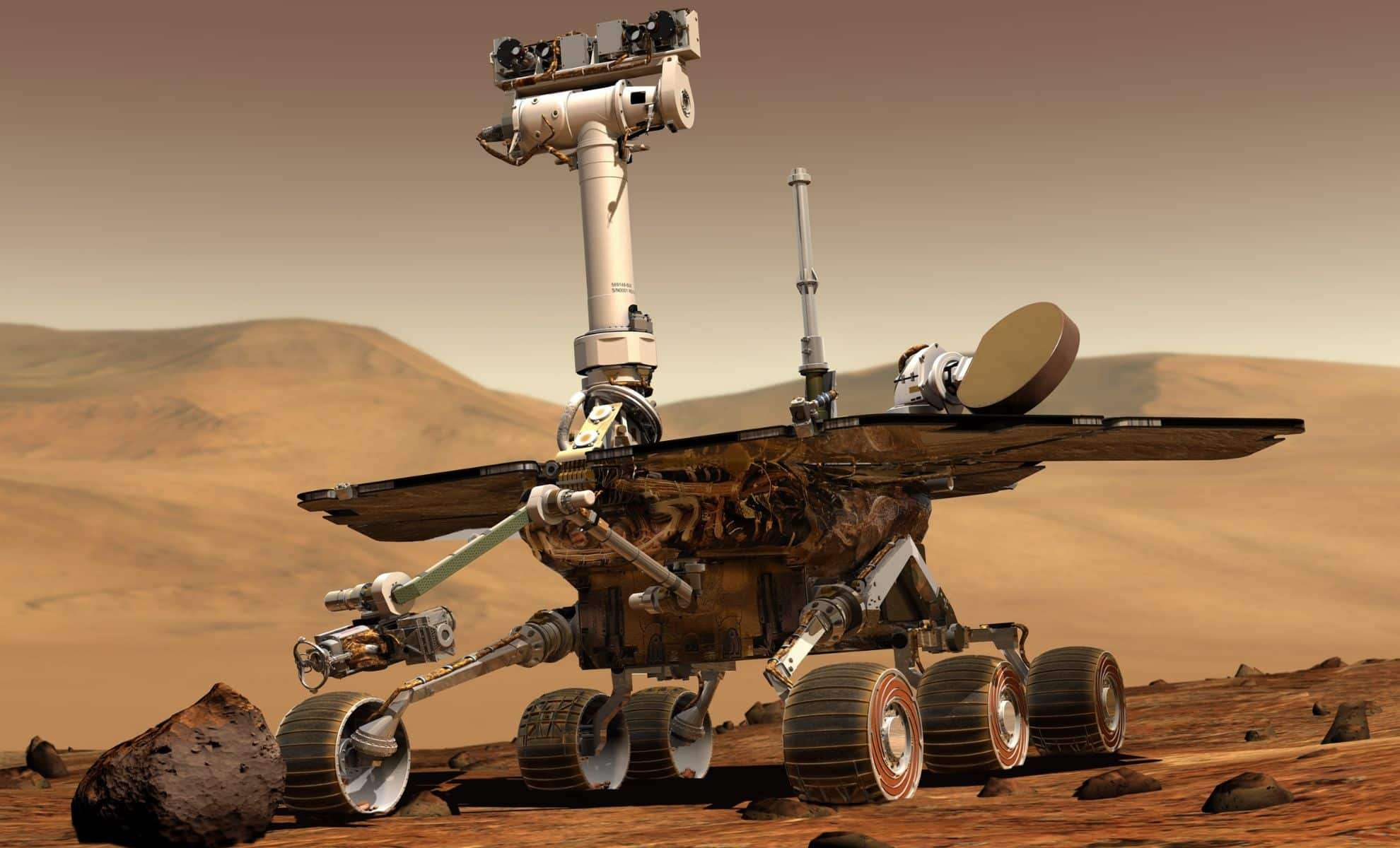
Researchers are increasingly fascinated by the information contained in the air trapped within NASA’s Perseverance rover samples from Mars, offering an exceptional glimpse into the Red Planet's atmosphere and its historical changes.
Delving into Mars’ Atmospheric Mysteries
The Perseverance rover has gathered numerous rock and soil samples aimed at unlocking secrets about Mars’ past and the potential presence of ancient life. Beyond solid materials, the “headspace” – the captured air surrounding the collected solids inside the tubes – holds immense scientific interest. This trapped atmosphere isn’t just a coincidence; it represents a rich source of atmospheric data.
Mars’ atmosphere is dominated by carbon dioxide, but trace gases preserved since the planet’s formation could offer vital insights.

Brandi Carrier from NASA’s Jet Propulsion Laboratory in Southern California emphasized the value of these air samples: “These Martian air samples reveal not only the present-day atmospheric conditions but tell the story of their transformation over eons. They help us comprehend how alien climates develop and evolve.” Understanding these gas compositions will deepen knowledge of Mars’ climate timeline and its implications for past habitability.
The Role of Headspace Gas in Atmospheric Research
The gas space inside the sample containers offers a controlled environment to examine how the local atmosphere interacts with surface materials. Noble gases like neon, argon, and xenon, which resist chemical changes over long periods, are especially valuable for tracing the atmospheric history of Mars.

Justin Simon, a geochemist at NASA’s Johnson Space Center, explained the broader significance: “These gas samples are invaluable not only to Mars experts but to planetary scientists everywhere. They provide key insights into how atmospheres form and evolve across planets.” Such studies may reveal whether Mars once possessed a dense atmosphere and how it compares to Earth’s early environment, aiding in reconstructing the planet’s climatic and atmospheric evolution and its potential for life.
Implications for Upcoming Mars Expeditions
Examining the headspace gases also delivers crucial data on water vapor distribution near the Martian surface, integral to understanding the planet’s hydrological cycle. These findings will guide future missions in identifying water ice deposits and understanding their historical shifts—vital for human exploration and resource utilization.
Furthermore, headspace analysis assists in assessing dust particle size and toxicity, essential for astronaut safety. Mars’ pervasive dust poses challenges, and comprehending its features supports the design of resilient habitats and gear. Carrier pointed out, “Insights from these samples inform us about water vapor levels near the surface, which influence ice formation locations and the evolution of Mars’ water cycle over time.”
Connections to Lunar Exploration Techniques
The approach to analyzing the trapped gases in the Mars samples draws from methods used to examine lunar atmospheres from the Apollo 17 mission. In 2021, scientists including those from NASA studied sealed steel containers with lunar air samples preserved for five decades. These provided clues about the Moon’s thin atmosphere and how it interacts with its rocky surface.
Simon described the parallels: “Though often considered airless, the Moon has a faint atmosphere that interacts over time with surface rocks, including noble gases escaping from its interior.” The sample processing involves enclosing the container hermetically and employing a cold trap to capture gases, a refined technique enabling precise measurement of even minuscule gas quantities.
- Categories:
- Astronomy ,
- News ,
- Space ,
- Nasa









0 comments
Sign in to Comment