
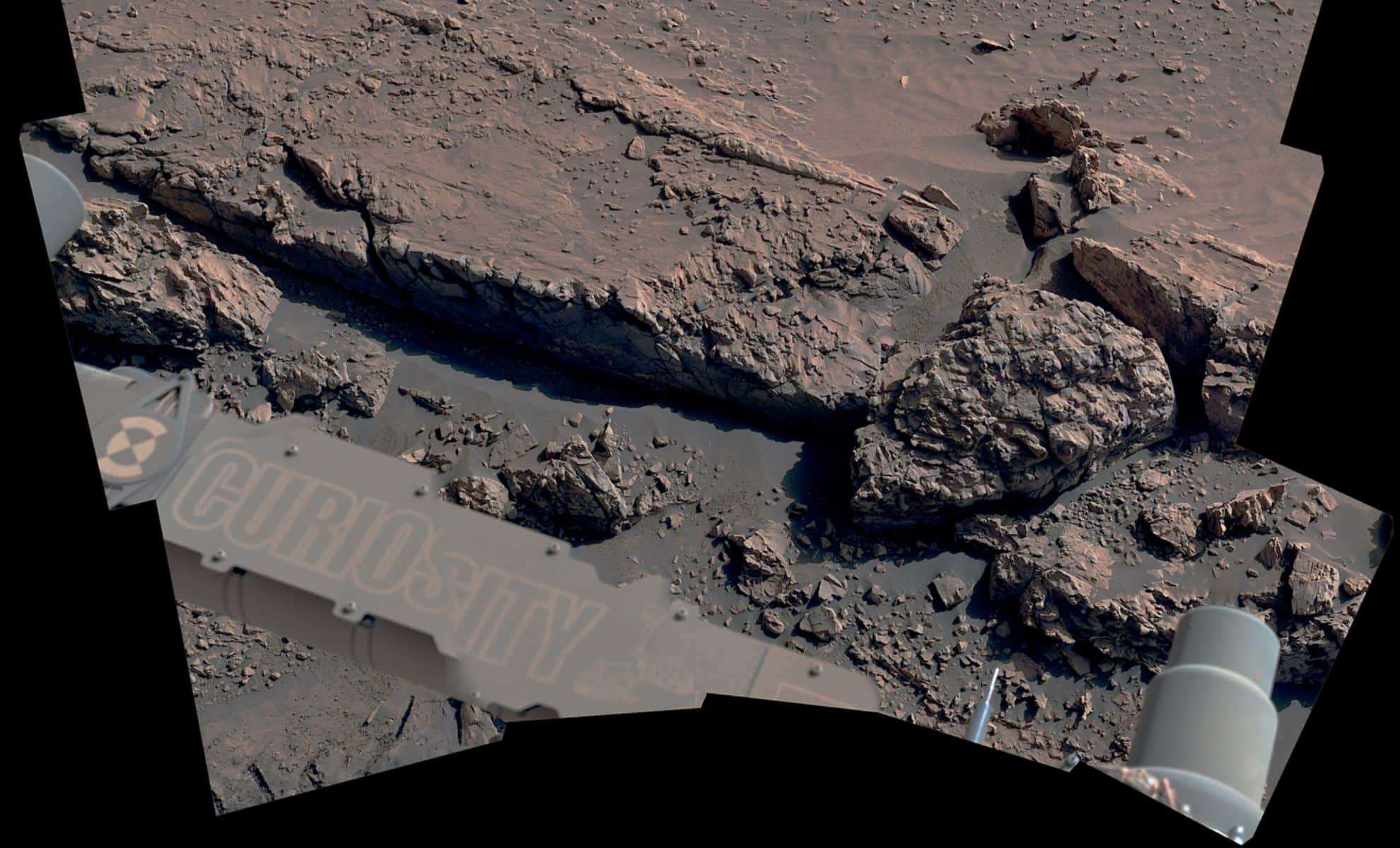
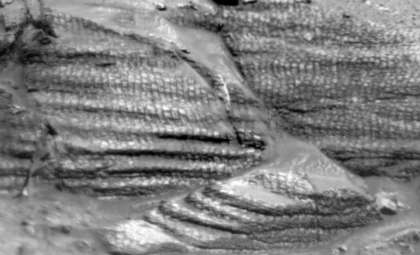
NASA’s Curiosity rover on Mars has captured remarkable new close-up images of the Martian terrain, showcasing a geological feature known as “boxwork” that until now was only seen from orbit. These intricate ridges may provide fresh insights into the planet’s geological past.
Discovering Mars’ Boxwork Ridges
The latest data from Curiosity sheds light on how the Martian surface has transformed over eons. These interwoven ridges, rising mere inches above the surface, form a distinctive “boxwork” texture.
Researchers theorize these formations resulted from mineral-rich groundwater seeping through rock fractures, depositing cement-like minerals. Subsequent erosion by Martian winds removed softer material around these deposits, leaving the ridges exposed.

This phenomenon is particularly prominent in the foothills of Mount Sharp, a massive mountain within Gale Crater where Curiosity has been active since 2012. While similar patterns exist elsewhere, the extent and concentration here are unparalleled, prompting further investigation into their unique occurrence.
Linking Boxwork to Ancient Martian Water
The significance of these ridges lies in their indication of past groundwater movement. Scientists propose that groundwater flowing through cracks left behind hardened mineral deposits that formed the visible boxwork. This finding supports the notion that liquid water influenced Mars’ landscape even after surface lakes and rivers disappeared.
Ashwin Vasavada, project scientist at NASA’s Jet Propulsion Laboratory, emphasized the enigma behind the ridges: “A big mystery is why the ridges were hardened into these big patterns and why only here.”
Insights into Mars’ Climatic Evolution
The placement of boxwork in Mount Sharp’s layered rock offers clues about Mars’ ancient climate. The rover explores various layers representing changing environmental conditions. Currently, Curiosity is studying a section abundant in magnesium sulfates—salts that form as water evaporates—marking a shift to a more arid Mars.
Despite evidence of drying, the boxwork suggests that groundwater remained subterraneously present. This implies that even as surface conditions changed, water continued to shape Mars’ geology below ground.
Continuing Exploration and Surprising Discoveries
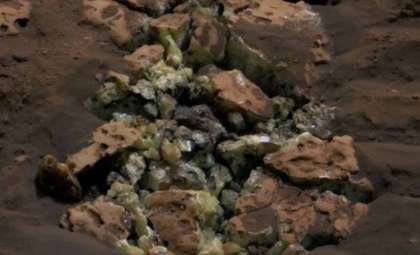
Curiosity’s exploration has unveiled unexpected features, such as small cracks filled with white calcium sulfate veins, minerals linked to groundwater. Abigail Fraeman, the rover’s deputy project scientist, noted, “That’s really surprising. These calcium sulfate veins used to be everywhere, but they more or less disappeared as we climbed higher up Mount Sharp.”
The rover is also drilling into a rock named “Altadena” to analyze its mineral makeup. This effort aims to identify potential organic compounds, which could offer clues about the existence of ancient microbial life on Mars.
- Categories:
- News





0 comments
Sign in to Comment