
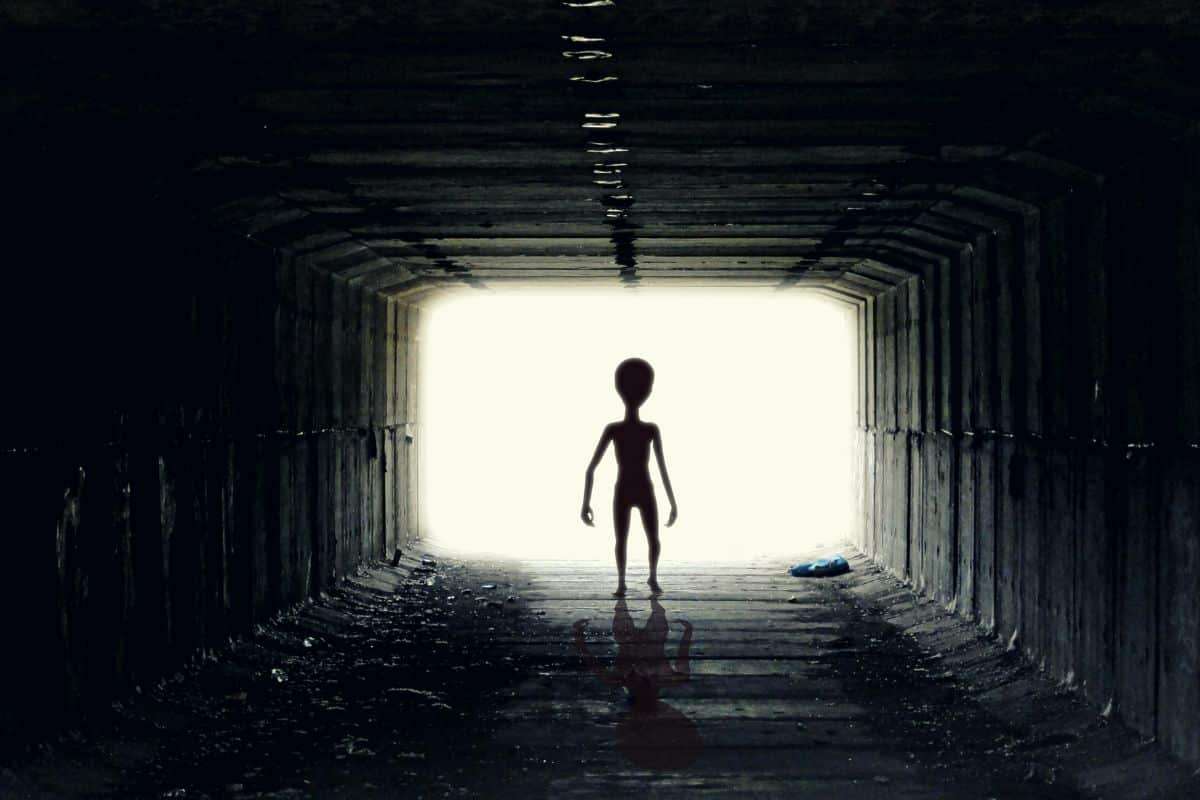
For centuries, the concept of life beyond Earth has fascinated humanity, sparking endless stories about visitors either here to help or to harm. Among these ideas, the image of “little green men” stands out as the most enduring and recognizable.
This phrase evokes tiny, green-skinned extraterrestrials—a stereotype deeply ingrained in popular culture. Yet, despite its widespread use, there is no scientific basis for this specific portrayal.
Tracing the Roots of the "Little Green Men" Trope
The expression “little green men” existed before the mid-1900s UFO enthusiasm but gained significant traction during that period. As noted by IFLScience, its exact origin is unclear but tied to historical ways humans have conceptualized alien beings. Early sci-fi works and initial UFO reports heavily shaped how the public imagined these creatures.
A notable example occurred in the 1950s amid growing media coverage of alleged alien encounters. Even though eyewitnesses described a wide range of appearances, the “little green men” image caught on, propelled by sensational news stories and the surge in science fiction entertainment.

The Role of Pop Culture in Shaping Alien Imagery
The 20th century’s boom in sci-fi literature, films, and TV shows firmly established the green alien as a cultural icon. Titles like The Day the Earth Stood Still and Star Trek helped turn extraterrestrials into reflections of humanity’s collective hopes, fears, and curiosity. Their features often mirrored societal concerns, ranging from Cold War anxieties to fears over technological progress.
As IFLScience explains, “little green men” resonate partly because of their unclear origins, revealing much about human imagination. This image has been fueled more by creative storytelling than scientific facts, creating a reciprocal influence where fiction shapes public beliefs and vice versa.
Why Green? The Psychology Behind Alien Coloration
Psychologists suggest the color green was chosen due to its association with the unfamiliar and eerie. In nature, green can serve as a warning color signaling toxicity or danger. Assigning this hue to aliens taps into instinctual feelings of caution, enhancing their mysterious aura.
The small size often ascribed to these beings might symbolize either harmlessness or vulnerability, making them both charming and unsettling. This contrast allows characters to fulfill diverse roles in stories—from funny sidekicks to ominous threats.
Modern Perspectives on Extraterrestrial Life
Interest in aliens has surged recently, driven by government disclosures, UFO reports, and events like the display of purported “alien” remains in Mexico. Despite these phenomena, the “little green men” remain a widely recognized shorthand for aliens in media and conversation.
This enduring image demonstrates the strong symbolic role it plays. As IFLScience points out, “public interest in ‘little green men’ has reached heights not seen in decades.” Even with advancing scientific knowledge about the universe, cultural narratives continue to shape our ideas about extraterrestrial beings.
Moving Beyond Alien Stereotypes
Although “little green men” dominate popular alien imagery, they represent only a narrow vision of possible extraterrestrial life. Experts argue that any real alien forms would likely look very different from human-like depictions. Life elsewhere might range from simple microbes to completely unfamiliar intelligent entities, reflecting the vast diversity of the cosmos.
This gap between scientific speculation and popular portrayals highlights storytelling’s powerful influence on how we view the unknown. Understanding why we hold onto these images can shed light on our own emotions and worldview.
The Timeless Fascination With Alien Legends
As discussions about UFOs and life beyond Earth grow, they prompt reflection on how these myths affect our grasp of reality. Do these tales prepare us for future contact, or are they collective fantasies fueled by imagination and wonder? The lasting appeal of “little green men” lies in their ability to connect the ordinary with the extraordinary, the known with the mysterious. By projecting hopes and fears onto these hypothetical visitors, we explore the intersection of science, myth, and human psychology. Whether real or imagined, the allure of extraterrestrial life continues to challenge our understanding of both the universe and ourselves.
- Categories:
- Extraterrestrial life










0 comments
Sign in to Comment