
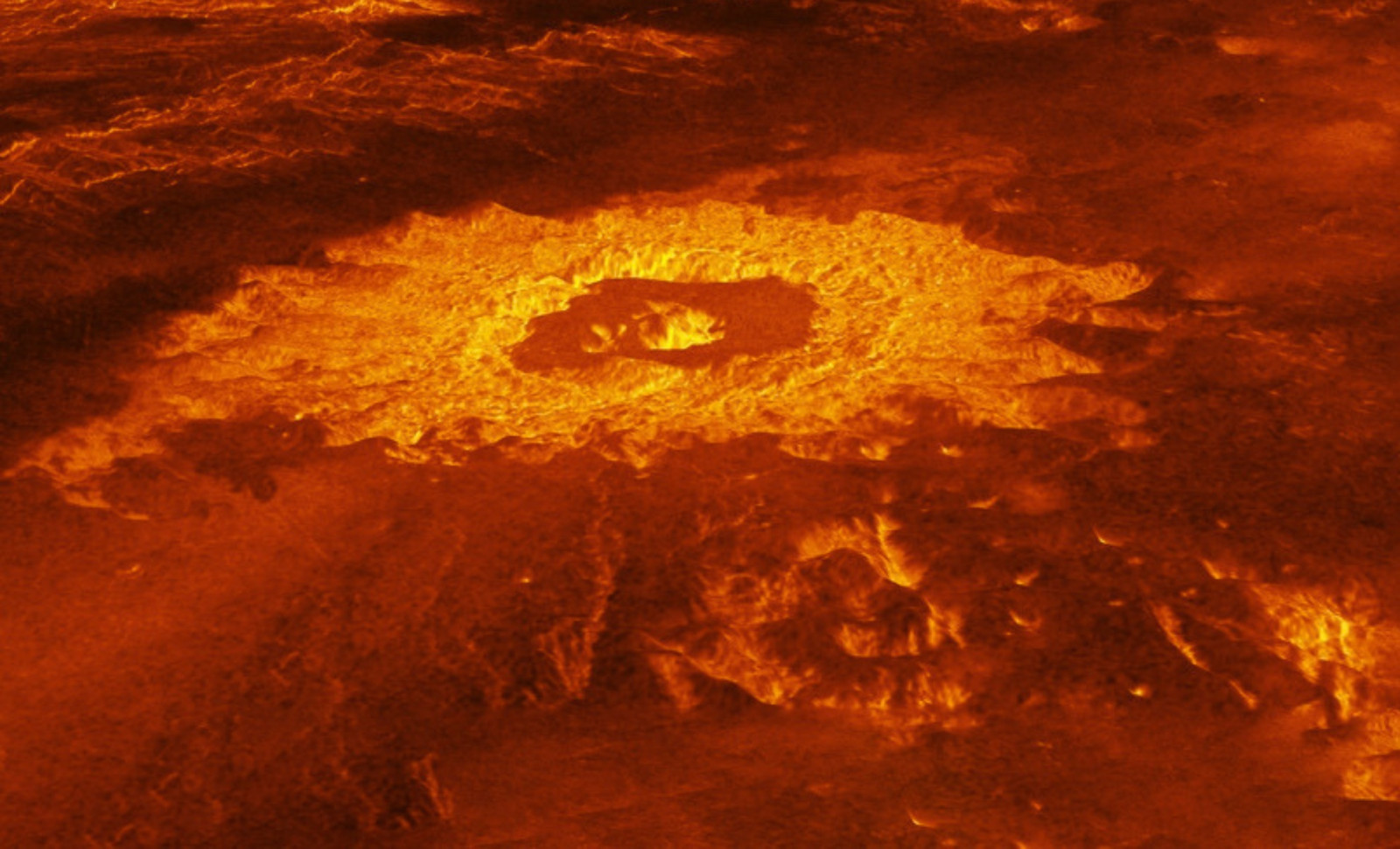
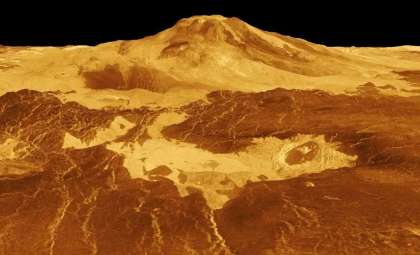
Scientists at the University of Trento have uncovered the first concrete radar indication of a vast lava tube on Venus, detecting a subterranean channel nearly a kilometer wide underneath the shield volcano Nyx Mons. Published in Nature Communications in early 2026, this discovery stems from a fresh examination of radar data gathered by NASA’s Magellan spacecraft during the early 1990s.
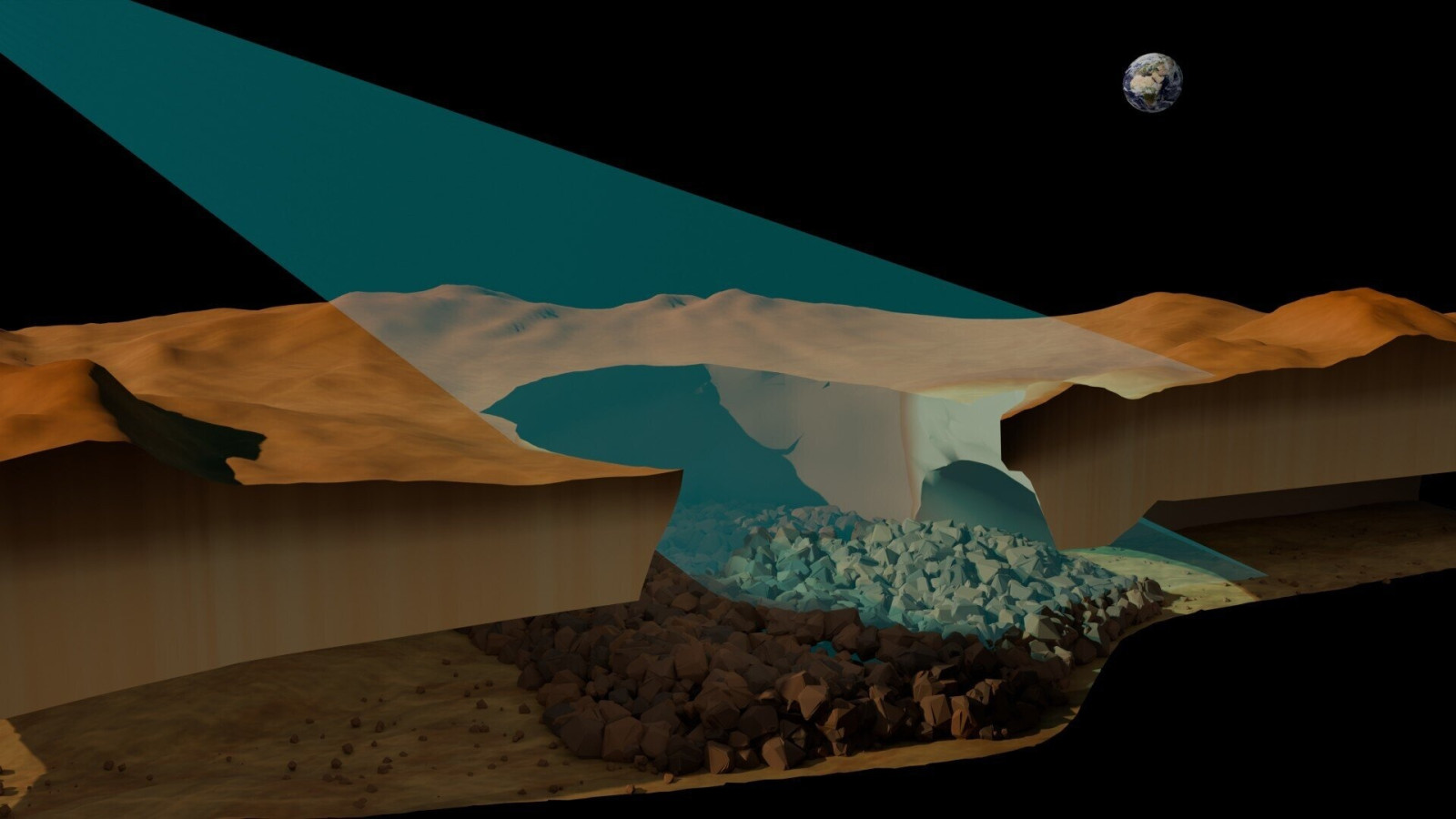
This volcanic structure dwarfs any similar formations found on Earth. The tunnel’s average width is about 937 meters, its roof thickness exceeds 150 meters, and the internal cavity measures roughly 375 meters high. By comparison, the extensive Corona lava tube system in Lanzarote, Spain, reaches widths of only around 28 meters.
Insights from Radar Data
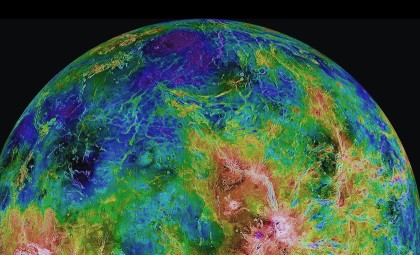
NASA’s Magellan mission employed Synthetic Aperture Radar to map Venus from 1990 to 1992, a technique essential for penetrating the planet’s dense clouds. The Trento researchers utilized a detection approach first developed to identify lava tubes on Earth and the Moon, searching for distinctive radar patterns near surface pits formed by collapses.

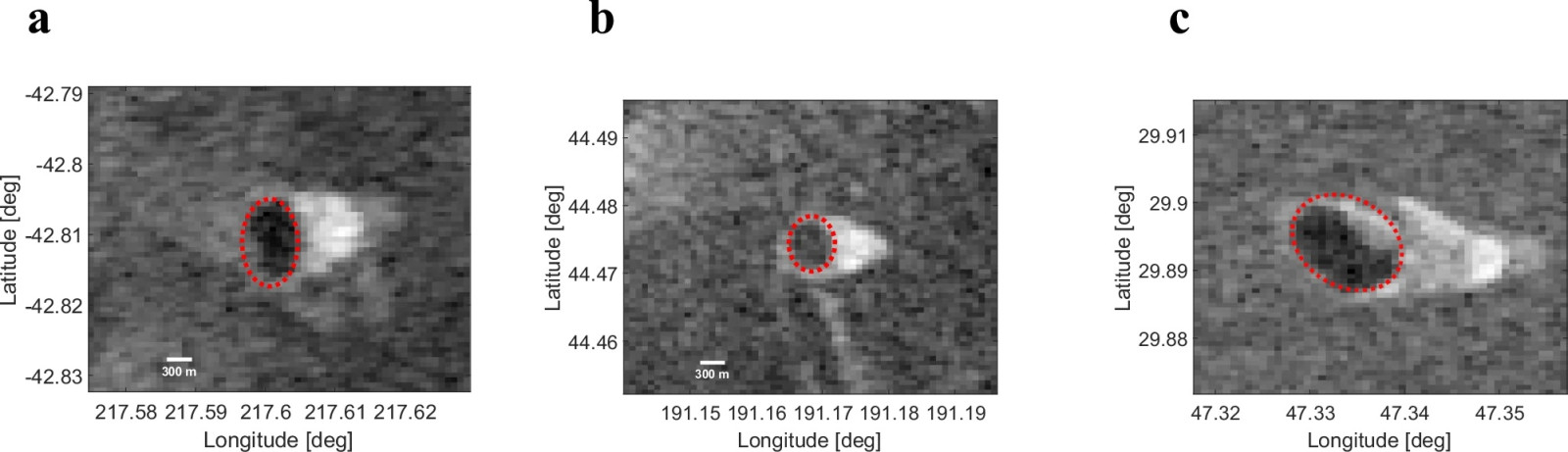
One pit, designated “pit A,” on Nyx Mons’s western slopes, displayed radar characteristics markedly different from others in the dataset. While typical pits generate a basic shadow and a bright edge reflection indicative of steep walls, pit A exhibited an uneven bright streak extending beyond its rim. Such a pattern occurs when radar waves enter a skylight, travel through an underground tunnel, and scatter back to the radar source.
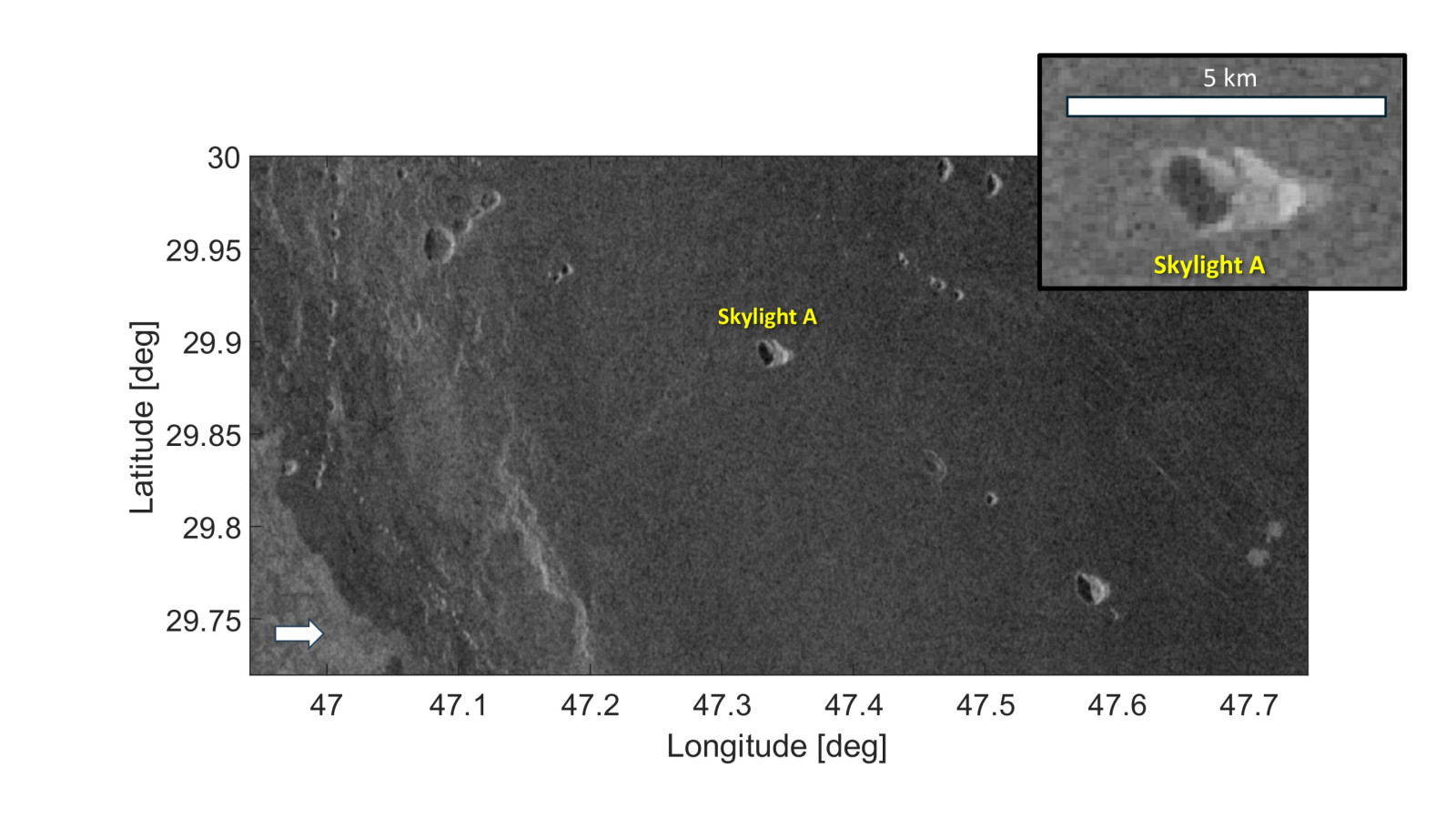
The team concludes this signature matches a collapsed lava tube roof segment, revealing an entrance to an intact conduit below the surface.
Magnitude of the Formation
The skylight measures roughly 1,545 by 1,070 meters, with radar signals tracking the tube for at least 300 meters inward before fading. The collapse depth is estimated at approximately 450 meters.
By tracing the sequence of collapse pits across the terrain and factoring in the downward slope, scientists estimate the entire lava tube system extends at least 45 kilometers beneath Nyx Mons. A 13-kilometer section between two pits lacks surface disruptions, suggesting that stretch remains roofed and undisturbed.
Such vast sizes align with lava tubes recently identified on the Moon, where low gravity similarly facilitates large formations. Earth’s stronger gravity and quicker cooling rates usually produce much smaller lava tunnels.
Factors Enabling Titanic Lava Tubes on Venus
Venus’s environmental conditions appear to promote the development of extraordinarily large lava tubes. Reduced gravity and a dense atmosphere help form a fast-solidifying crust above flowing lava, trapping heat and allowing molten rock to travel long distances while remaining liquid. This overcrusting process, responsible for lava tubes on Earth and the Moon, seems amplified on Venus, allowing exceptionally large tunnels to form.
Moreover, Venus hosts vast lava channels unmatched by any other planetary body, indicating an unusually large-scale volcanic plumbing system. Nyx Mons is situated in a region known for a dense concentration of collapse pit chains, which likely represent exposed entries to an extensive subsurface network.
Excluding Alternative Interpretations
The scientists evaluated other possible causes for pit A’s unique radar profile, including tectonic voids, volcanic vents, impact craters, and collapses related to magmatic dykes beneath the surface. Each alternative exhibits distinct radar signatures in Earth analogs.
Collapse linked to dykes showed no horizontal extension beyond the pit, while volcanic vents and impact craters produced different scattering patterns. Surface roughness near pit A also failed to explain the bright radar anomaly.
The closest analog is a collapsed lava tube entrance known as Jameo Agujerado in the Corona system on Lanzarote, Spain, which shares the same characteristic shadow and asymmetric bright radar signature. This familiar terrestrial case helped confirm the Venusian interpretation.
Prospects for Upcoming Explorations
With Magellan’s radar resolution limited to about 75 meters per pixel, smaller skylights on Venus may have gone unnoticed. This discovery hints at the possibility of many more lava tubes awaiting detection.
Future missions such as NASA’s VERITAS and the European Space Agency’s EnVision plan to utilize advanced radar instruments with resolutions as fine as 15 to 30 meters. EnVision will also feature a subsurface radar sounder capable of penetrating several hundred meters, ideally suited to reveal intact lava tubes similar to the one near Nyx Mons.
VERITAS is slated for launch no earlier than 2031.
- Categories:
- Space







0 comments
Sign in to Comment