
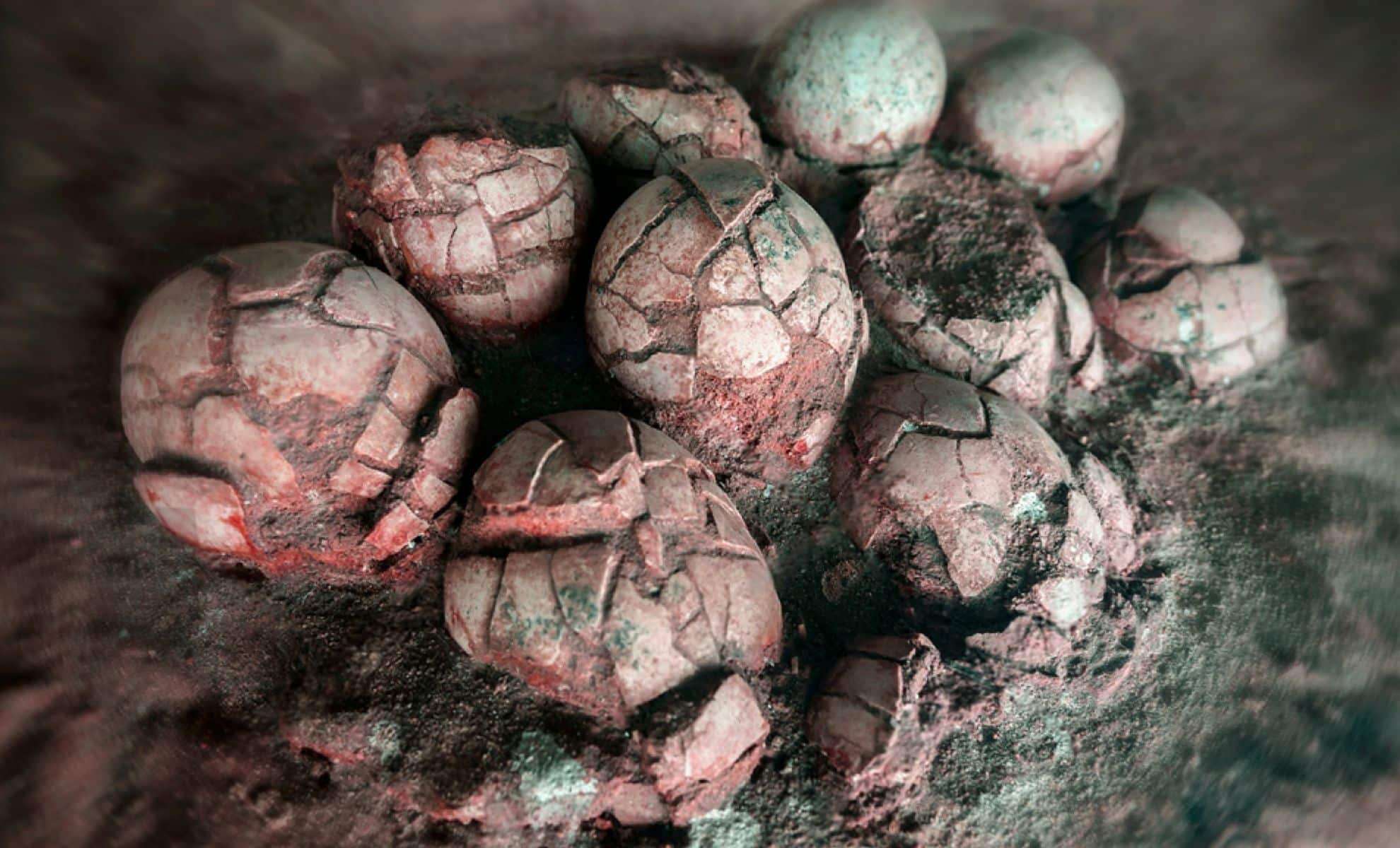
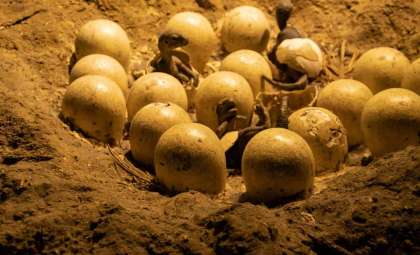
About 100 million years ago, the landscape bordering the Western Interior Seaway was teeming with diverse life forms. Seasonal floodwaters sculpted broad floodplains while dense woodlands bordered meandering muddy streams in what is present-day central Utah. Within this rich and intricate environment, dinosaur eggs were deposited as dinosaurs interacted with early mammals near water sources, while ancient crocodile relatives swam in shallow waters.
Revolutionary Find Sheds New Light on Dinosaur Reproduction
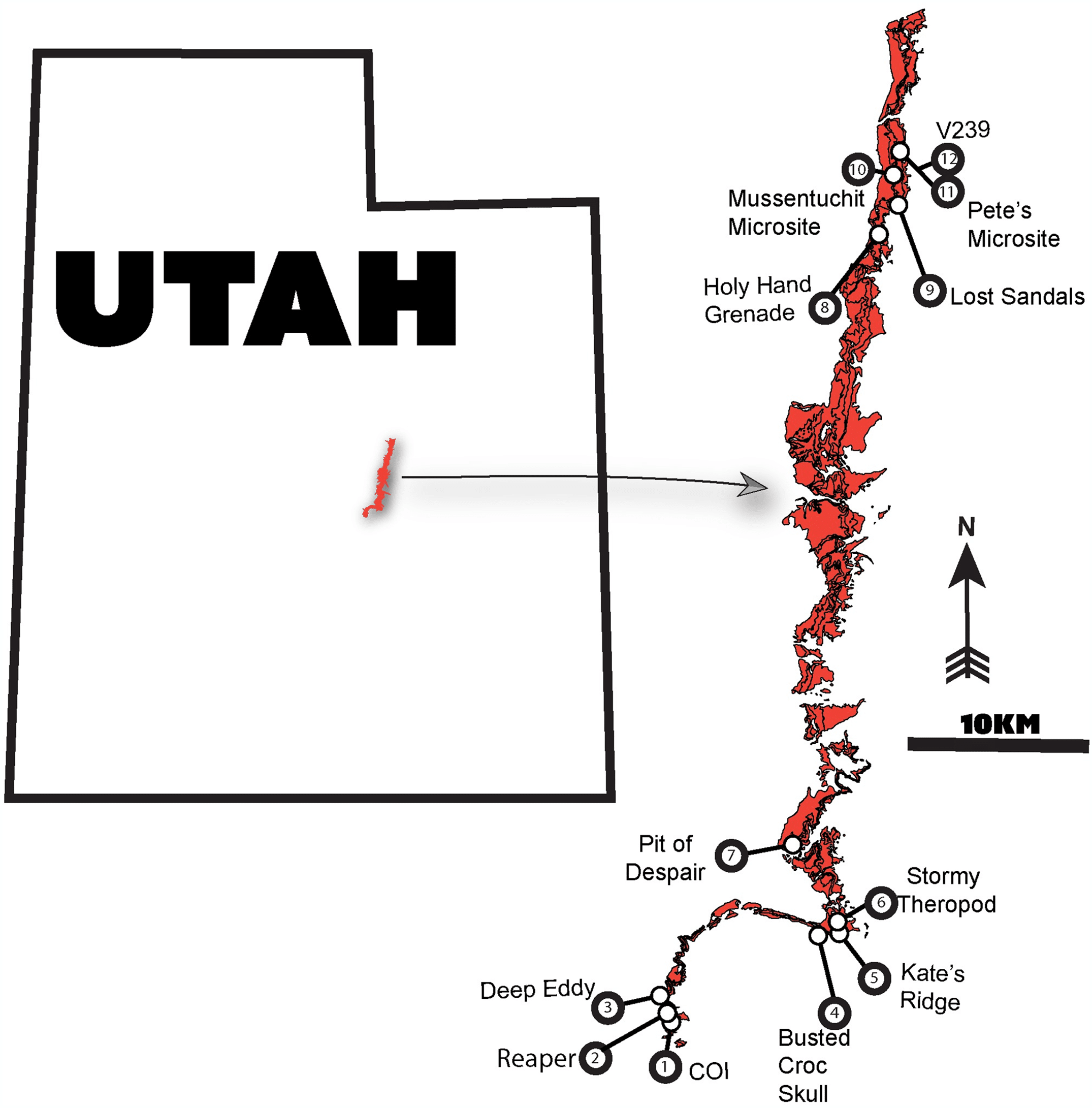
The Mussentuchit Member of the Cedar Mountain Formation has offered a window into a thriving prehistoric ecosystem through numerous fossils. Recently, an extensive analysis of more than 4,000 eggshell fragments from 20 different locations has provided unprecedented insights into this ancient habitat.
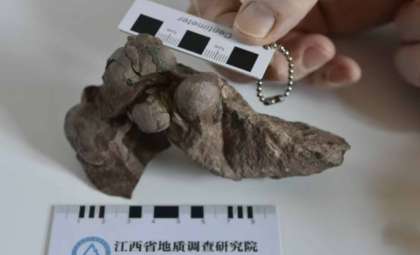
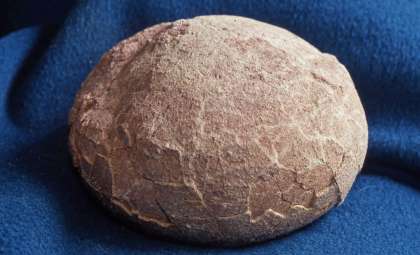
Scientists once thought that these sediments preserved only a single dinosaur egg type, but studies using advanced microscopy and electron scanning now reveal at least six unique ootaxa, or fossil egg categories, indicating a rich diversity of nesting species coexisting in the area.

Dr. Josh Hedge, visiting assistant biology professor at Lake Forest College, remarked, “The fascinating aspect is the variety of elongatoolithid eggshells representing different oviraptorosaur species. We’re learning that ecosystems likely supported multiple closely related dinosaur species, challenging the old idea of one species per niche.”
Egg Diversity Offers Insights into Nesting Strategies
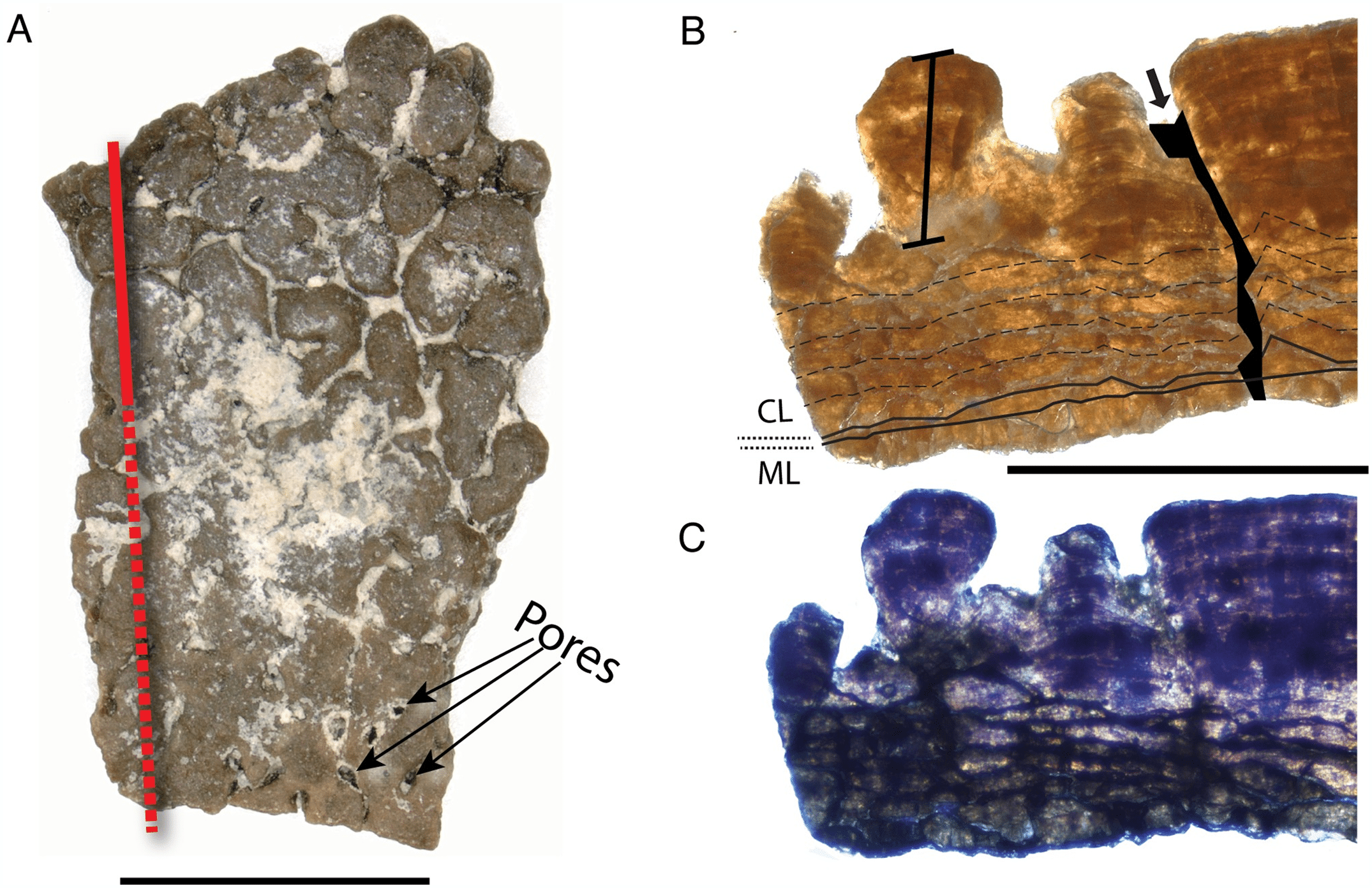
Fragment analysis revealed distinctive elongatoolithid eggshells connected to feathered oviraptorosaurs. Their elongated, rigid grains resemble modern bird eggshells and suggest a sophisticated respiratory system potentially adapted for burying nests in warm sand.
Eggs attributed to ornithopods, classified as Spheroolithus, were also present. These herbivorous, bipedal dinosaurs likely deposited these eggs. Particularly surprising was a fragment of Mycomorphoolithus kohringi, previously identified only in Europe, which is linked to extinct crocodylomorphs—relatives of contemporary alligators. This discovery expands the known geographic range of these ancient reptiles, which probably thrived in coastal wetlands adjacent to dinosaur-inhabited drylands.
Contrary to their fearsome reputation, oviraptorosaurs were medium-sized omnivores covered in feathers, equipped with powerful beaks and short tails. Other dinosaur fossils found in this formation, such as Moros, a compact early tyrannosaur, and Iani, a beaked herbivore, illustrate the ecological variety. These egg finds complement the skeletal record by representing species yet to be unearthed.
New Evidence of Migration and Ecosystem Interactions
These eggshells bolster the theory that prehistoric fauna migrated gradually between Asia and North America via the Beringia land bridge. The presence of similar eggs from oviraptorosaurs and crocodylomorphs in both continents suggests that these groups settled in Utah well before the major Late Cretaceous dinosaur diversity surge.
Nesting grounds preserve behavioral details with greater accuracy than scattered fossils alone. Factors like clutch arrangement, shell thickness, and pore configuration provide hints about the moisture of nesting soil, surrounding vegetation, and parental care. The six different ootaxa imply a mosaic of nest types: from shallow mounds favored by crocodile kin to sand-buried rings for oviraptorosaurs and possibly leaf-laden pits for plant-eaters.
Advanced microscopic and electron microscopy techniques have revealed crystal structures more delicate than a human hair, enabling researchers to classify small shell pieces into broader evolutionary categories. Mineral deposits on the shells also preserve signatures of burial temperatures and groundwater chemistry.
Fragments Reveal the Complexity of Prehistoric Ecosystems
The egg fragments demonstrate that ecosystems of the early Late Cretaceous had already achieved remarkable complexity and biodiversity, long before famous dinosaurs such as Triceratops and Tyrannosaurus dominated northern regions.
Although the sedimentary layers containing these eggs may represent just a single nesting season, the vast extent of the Cedar Mountain Formation indicates Utah’s badlands preserve a wealth of information about ancient life cycles. Paleontologists persist in examining these areas, knowing that every broken eggshell could reveal vital new data.
- Categories:
- News





0 comments
Sign in to Comment