
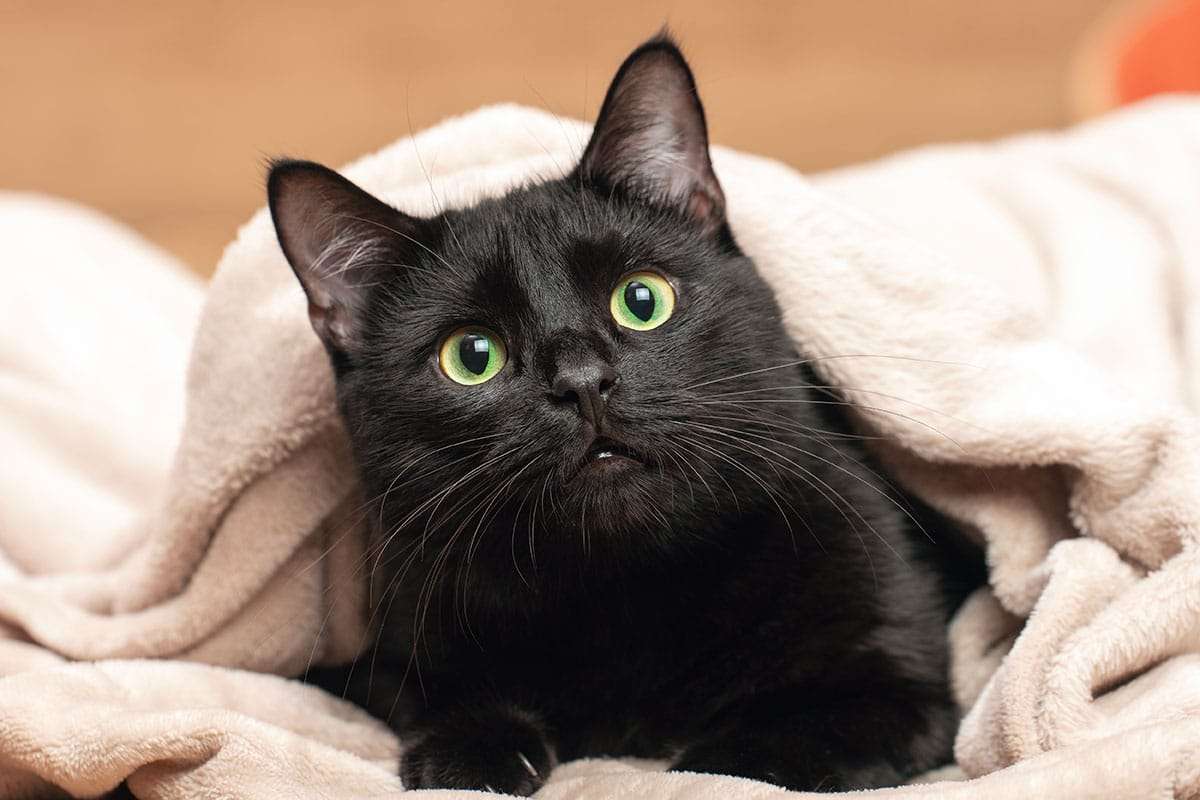
While cats are often seen as independent and elusive pets, emerging research is revealing their surprising sensitivity to human communication. Recent studies indicate that felines may be much more responsive to our vocal cues and social signals than has traditionally been assumed, shedding new light on the dynamics of cat-human interaction and the evolution of cross-species communication.
Key insights from these investigations include:
- Cats can detect when humans are looking directly at them
- They pay attention to their owner’s emotions during unfamiliar events
- Felines differentiate their main caregiver from other people at home
- Cats recognize their own names and selectively react when called
One particularly fascinating discovery is that cats can identify pictures of their human family members upon hearing their names, even without prior training. This hints at a more advanced level of language understanding than commonly credited to these animals.

Novel experimental methods uncover unexpected responses
To investigate feline capacities for language-like learning, Japanese scientists designed a study inspired by approaches used to evaluate how infants acquire language skills. Their experiment, conducted with 31 cats, tested the ability to associate words with visual symbols.
The procedure included:
- Presenting cats with two cartoon visuals: a blue and white unicorn and a red sun
- Playing the made-up word “Keraru” repeatedly while showing the unicorn image
- Linking the nonsense word “Paramo” with the sun image
- After a short break, showing the images again but swapping the corresponding words
The cats’ behavior revealed pronounced interest and surprise when the word-image pairings were inconsistent. They focused longer on mismatched combinations and exhibited pupil dilation, a sign of heightened alertness.
Felines outperforming human babies in word learning?
In a remarkable comparison, researchers measured the cats’ performance against that of 14-month-old infants on forming word-image associations. Remarkably, the cats accomplished the task faster, raising compelling questions about the mental faculties of cats and their ability to comprehend aspects of language.
Consider the following data summary:
These results suggest cats are not merely passive observers but actively engaged in processing human speech. Our feline friends might be grasping more of our verbal communication than we have credited them for.
What this means for bonding with cats
Uncovering such refined language-related skills in cats has profound consequences for how humans interact with them. Pet owners may want to rethink how they communicate with their cats, acknowledging that their pets are likely interpreting spoken language on a deeper level than once believed.
Potential benefits include:
- Better approaches to cat training
- Stronger emotional connections between cats and their owners
- More effective interaction during veterinary visits
- Innovative methods for resolving behavioral issues
As ongoing research unveils more about feline intelligence and communication, it becomes clear that cats are attentive listeners who may even comprehend spoken words much like young human children. So the next time you chat with your cat, remember: they might just be understanding you better than you expect.
- Categories:
- Science

















0 comments
Sign in to Comment