

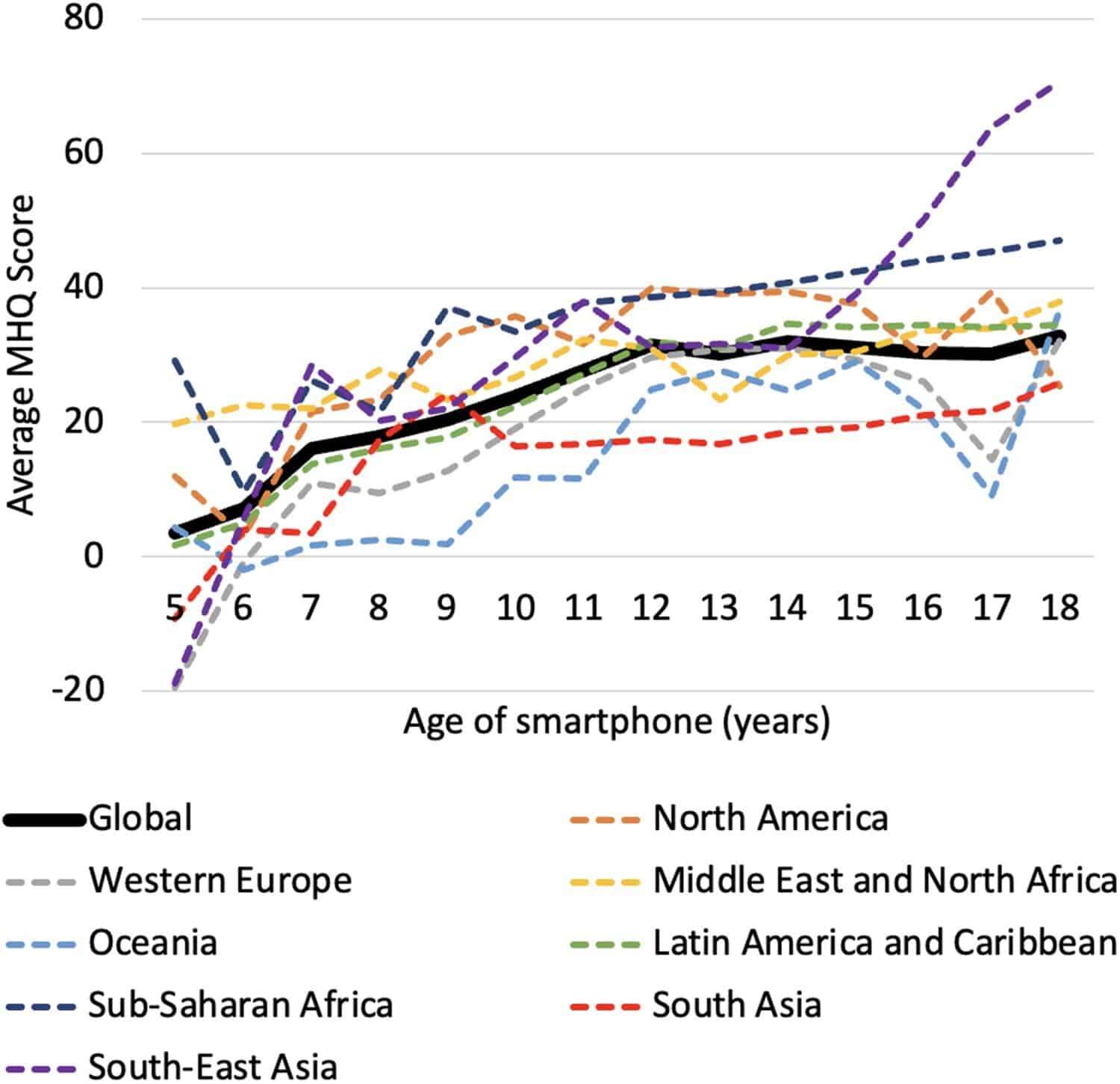
A recent investigation featured in the Journal of Human Development and Capabilities reveals concerning ties between smartphone use at a young age and mental health struggles among young adults. Drawing on data from over 100,000 people aged 18 to 24 across 175 countries, the study—part of the worldwide Mind Project—indicates that individuals who began using smartphones before turning 13 often experience notably poorer mental well-being than their peers who started later.
Consequences of Early Smartphone Exposure
The research highlights a significant association between owning a smartphone early and encountering various mental health problems, including anxiety, depression, and even suicidal ideation. Neuroscientist Dr. Tara Thiagarajan, who led the study, notes that early access to smartphones coupled with exposure to social media has profound impacts on the mental health of young individuals.
Participants who started using smartphones as young as 5 or 6 years old showed a 50% greater chance of contemplating suicide severely compared to those who did not get phones until they were 13. Early exposure tends to trigger additional issues such as sleep disturbances, social media-induced stress, and difficulties in controlling emotions. Dr. Thiagarajan emphasizes that being digitally connected at such an early age induces lasting shifts in mental health extending into adulthood.

The Role of Social Media
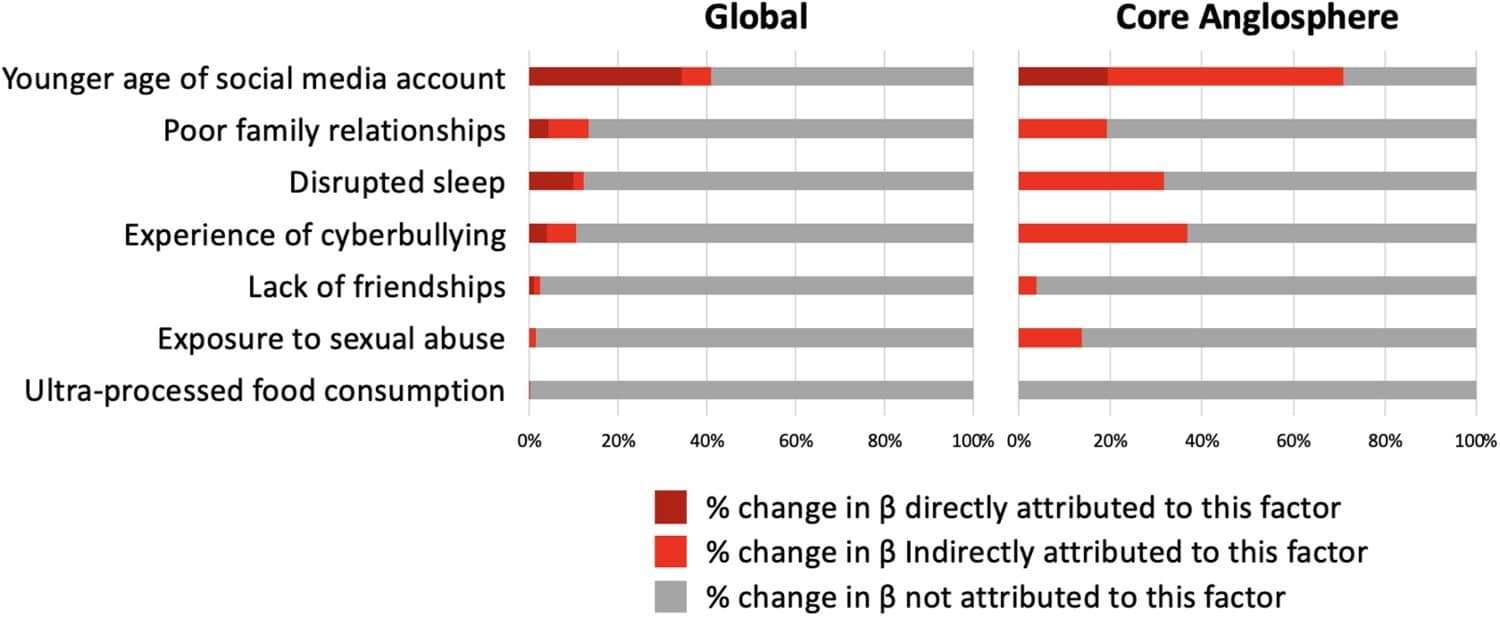
While smartphones serve as the platform, the detrimental effects largely arise from early access to social media. The analysis revealed that nearly 40% of the decline in mental health linked with early smartphone use is attributable to social media exposure. Continuous engagement with these platforms can provoke anxiety from social comparisons, unrealistic body image expectations, and cyberbullying.
The study also found that female participants are particularly susceptible, facing pronounced issues with self-esteem, body perception, and feelings of self-worth. Combined with early social media exposure, these elements significantly influence how young individuals perceive themselves and interact with their surroundings.
Proposed Interventions
In light of these findings, researchers are urging for enhanced safeguards. They suggest postponing smartphone introduction until after the age of 13 whenever possible. Additional recommendations include enforcing stricter age restrictions on social networking sites and implementing educational programs that prepare children to navigate online environments responsibly.
Some nations—including New Zealand, France, and New York State—have started to regulate smartphone usage within schools. However, researchers believe these measures fall short. They argue that controlling children’s access to smartphones, analogously to how substances like alcohol and tobacco are regulated, might be an essential strategy in confronting the mental health epidemic.
An Emerging Public Health Issue
The connection between early smartphone use and mental health extends beyond education or tech concerns, marking a serious public health challenge. As more young individuals report symptoms of anxiety, depression, and social disconnection, the urgency for effective preventative actions grows.
Although smartphones are not solely responsible for the mental health crisis, early exposure likely plays a critical role. Continued research, including studies like this one, underlines the importance of shielding youth from the pressures of constant digital immersion to safeguard their future health.
- Categories:
- News













0 comments
Sign in to Comment