
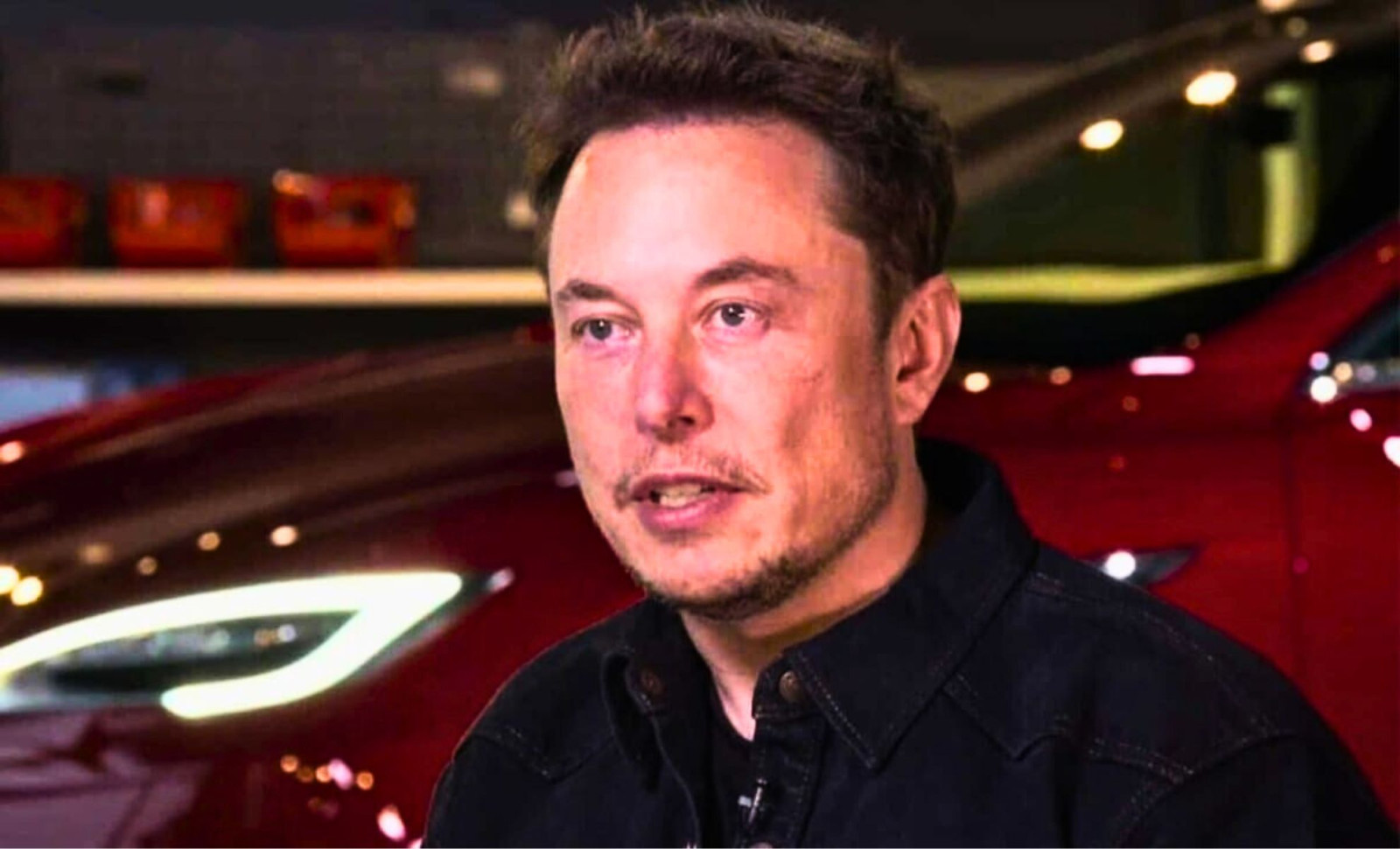
Tesla is closing the chapter on a hallmark software product that underscored its vision of autonomous driving. The Full Self-Driving (FSD) package, known for allowing buyers a single-purchase lifetime access, is transitioning away from this model in favor of a subscription-based system.
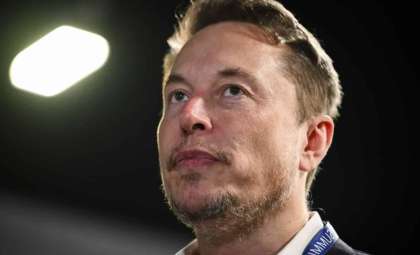
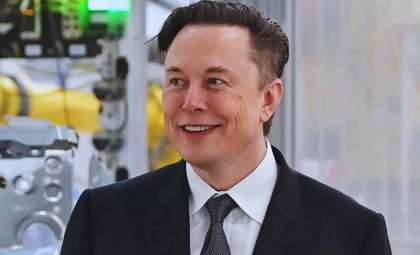
In a straightforward update on X, CEO Elon Musk revealed that after February 14, 2026, Tesla will no longer offer FSD as a permanent, one-off purchase. Instead, users will need to subscribe monthly or yearly, with no accompanying press event—just a platform update and a revised support document. This shift marks a notable change for Tesla’s software marketing and revenue strategies.
The timing coincides with several factors: slowing electric vehicle deliveries, growing income from software services, and increasing regulatory scrutiny on driver assistance technologies. Transitioning to subscription payments may be Tesla’s strategy to bolster its revenue streams from software rather than hardware going forward.

Subscription Becomes Sole Option for FSD Access
According to Tesla’s official info, effective mid-February 2026, the only way to access FSD in the US will be through subscriptions priced at $99 monthly or $999 annually. The lifetime purchase option, costing $8,000, will still be available until that date.
Those who already purchased FSD will keep receiving updates indefinitely. However, future owners will no longer have the option to secure lifetime access. Meanwhile, Basic Autopilot and Enhanced Autopilot remain available separately under different plans.
This announcement underscores Tesla’s shift towards monetizing automotive software through ongoing service fees. During the last quarter of 2025, Tesla’s vehicle deliveries declined by 16 percent, but software revenues climbed by 25 percent, illustrating the importance of services as a new revenue pillar.
Impact on Owners, Resale, and User Experience
FSD has been positioned as a premium enhancement, with early adopters paying as much as $15,000 for indefinite access. Those customers remain unaffected. However, new buyers face a different ownership landscape where perpetual ownership is no longer possible.
This change introduces complexities for the used car market, as active FSD subscriptions cannot be transferred to subsequent owners. Without reactivation of a new subscription, the system’s functionality will lapse, potentially reducing resale value.
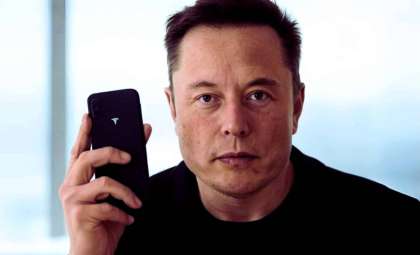
Reactions to Musk’s tweet have been varied. Some appreciate the chance to access FSD with a lower upfront cost, while others criticize the shift as a step back from Tesla’s original claims of autonomous driving capability and enduring value. Upgrading older vehicles remains complicated, with Musk noting that retrofits for legacy hardware pose technical challenges and no clear upgrade strategy has been outlined.
Heightened Regulatory Scrutiny Around Semi-Autonomous Technologies
Despite its branding, FSD functions as a Level 2 driver assistance system, needing constant driver supervision. It is not legally classified as autonomous anywhere, a distinction gaining importance amid regulatory probes into the safety and marketing of these technologies.
The National Highway Traffic Safety Administration (NHTSA) is reviewing multiple incidents involving FSD and Autopilot, including crashes. Early findings indicate insufficient communication about system limits and driver duties.
In 2024, California courts ruled that Tesla’s advertising of Autopilot was deceptive, likely influencing future marketing strategies—especially as Tesla transitions to subscription-based access. Meanwhile, subscription pricing has already become standard in some European and UK markets, where strict regulations have stalled full FSD rollouts.
Industry Competition and Forward-Looking Strategy
Tesla’s change reflects evolving competition within the EV industry. Brands like BYD have surpassed Tesla in sales, while startups like Comma.ai provide open-source substitutes for advanced driver assistance systems. Software capabilities are thus becoming a key differentiator.
Experts suggest the subscription model could broaden FSD’s user base. Wedbush Securities projects that up to 20 percent of Tesla owners might adopt subscriptions in the first year, generating steady income. Lower upfront barriers also allow Tesla to gather more diverse driving data, enhancing its AI and development efforts.
Nevertheless, hurdles remain, including issues with hardware compatibility, feature uniformity, and varied international regulations. Without standardization, adoption rates will likely continue to differ across regions.
- Categories:
- News


0 comments
Sign in to Comment