
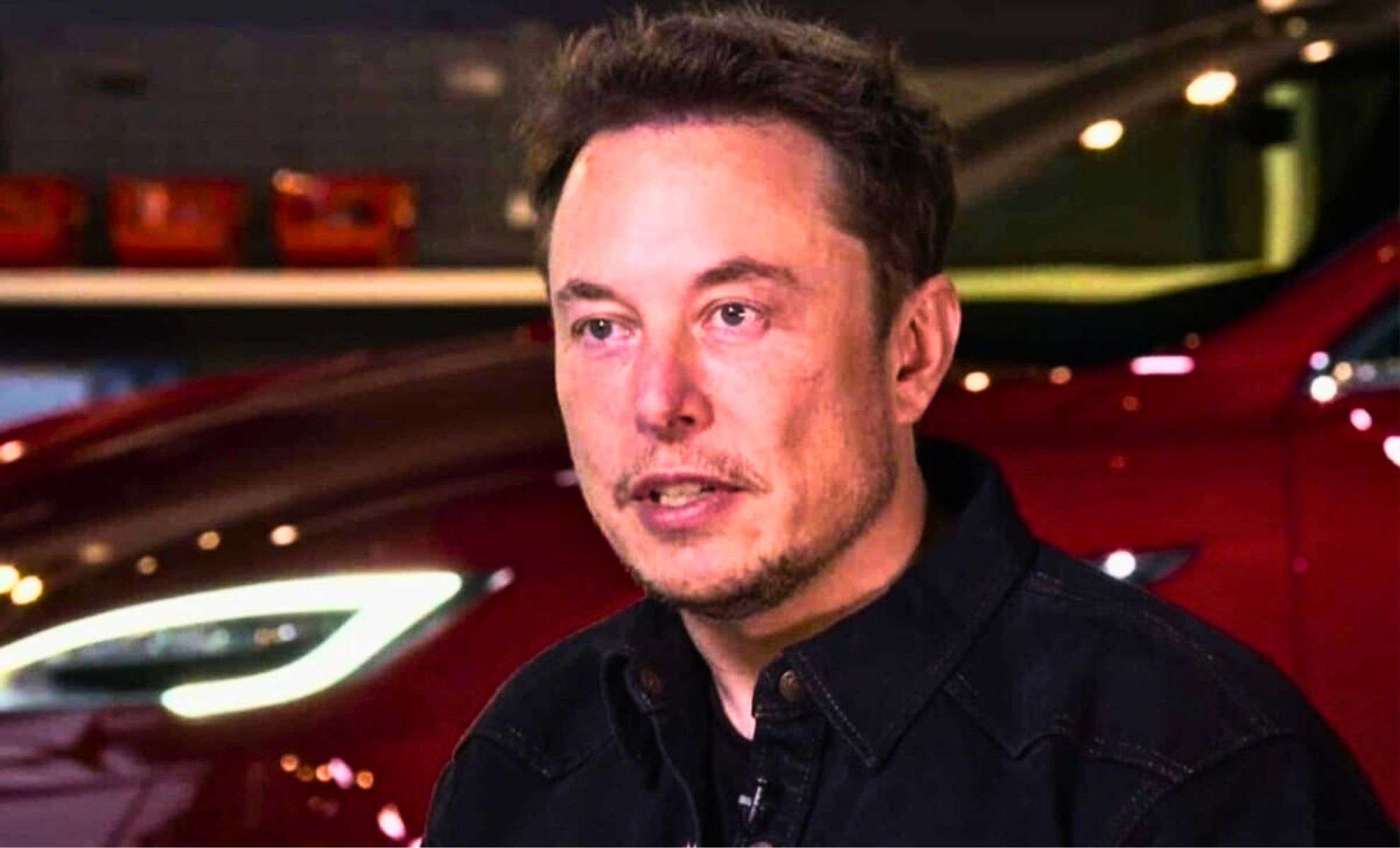
For almost ten years, Elon Musk promoted the idea that every Tesla manufactured since 2016 was equipped with the necessary hardware for full autonomous driving. The plan was straightforward: buyers could purchase their vehicles now and later unlock complete self-driving capabilities through software updates. This promise, key to Tesla’s allure, is currently being reevaluated.
During a January 2025 earnings call, Musk revealed that Teslas fitted with Hardware 3—installed in cars made from 2019 to 2023—will not achieve completely unsupervised autonomous driving without a hardware swap. “Upgrading the Hardware 3 computer will be challenging and painful for customers, but it’s something we have to do,” Musk stated. This represents one of his clearest admissions that earlier claims were overly optimistic.
Back in 2016, Tesla announced that all new models would come with the “hardware needed for full self-driving.” The company framed the Full Self-Driving (FSD) package as primarily a software hurdle, justifying the high upfront costs paid by early adopters for a feature promised in the future. That official announcement has since been quietly removed from Tesla’s website, and those early purchases have sparked both technical doubts and legal battles.

For those who invested early in FSD, the news carries technical setbacks and financial burdens. The required hardware upgrade goes beyond mere inconvenience—it highlights a broken commitment. Tesla’s previous assurance that no retrofitting would be needed has proven false, leaving many drivers facing unexpected component replacements to unlock the full promised functionality.
Gap in Hardware Spurs Legal Challenges
This hardware shortfall has already led to courtroom disputes. In 2022, Ian Jordan, a Tesla owner, brought a case in small claims court in Washington after Tesla demanded an additional $1,000 from him for a hardware upgrade needed to access the FSD subscription. Jordan’s Model 3 was equipped with Hardware 2.5, considered sufficient at the purchase time. The judge ruled against Tesla, declaring the company engaged in deceptive advertising and ordering Tesla to provide the upgrade free of charge.
As reported by Electrek, the judge concluded Tesla misled customers by claiming its cars had the hardware for full autonomy while planning necessary upgrades later. Tesla did not appear to contest the claim but complied with the court’s decision. This case has since become a reference for other customers facing similar issues.
Tesla initially offered free hardware retrofits to early FSD buyers, but this became less clear when a monthly subscription was introduced in 2021. Some customers, including Jordan, were required to pay extra to upgrade hardware before they could subscribe to the $199/month service, contradicting earlier commitments that the hardware was already sufficient.
Full Self-Driving Still Needs Supervision
The larger challenge remains that Tesla’s FSD branding does not equate to true driverless operation. The existing Full Self-Driving (Supervised) feature requires drivers to stay alert and keep their hands on the wheel, functioning more as an advanced assistance system than a fully autonomous solution.
Meanwhile, rivals like Waymo have launched driverless taxi services in locations such as Phoenix and San Francisco, operating without human intervention and undergoing extensive independent safety testing. Tesla’s FSD is still in beta with ongoing updates and adjustments.
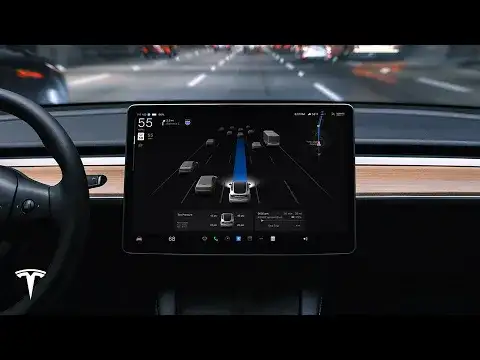
Within the company, there has been inconsistency too. According to TechCrunch, Musk confessed during the January call that he has “given up” on enabling truly unsupervised operation for Hardware 3-equipped vehicles, a stark reversal from previous confident forecasts.
The Financial Impact of Overpromising
Beyond frustration from owners, Tesla’s changed position carries financial risks. Increasingly, customers are exploring litigation options. A class-action suit in California alleges Tesla’s marketing exaggerated the FSD’s capabilities and created unrealistic expectations.
Tesla has defended itself by arguing that setting long-term aspirational goals does not amount to fraud. The company stated that “not achieving a future, aspirational target” isn’t deceptive. However, the boundary between vision and concrete promise is increasingly scrutinized, especially as customers pay more for unfulfilled features.
A 2023 study from MIT found that Tesla’s FSD Beta drivers were more likely to become distracted, potentially raising safety risks as users overestimate the system’s autonomy. The research highlighted that reminders and warnings failed to improve driver attentiveness, echoing results from NHTSA investigations into crashes involving Tesla’s driver assistance technologies.
New Tesla models are now being equipped with Hardware 4, which Musk says will enable a true robotaxi service. A pilot initiative scheduled for Austin, Texas is set to launch in mid-2025, though no official date has been confirmed. The success of this program and Tesla’s ability to fulfill longstanding promises could prove pivotal for the company’s future.
- Categories:
- News

0 comments
Sign in to Comment