
Elon Musk has outlined the essential factors needed to create a flourishing, self-reliant city on Mars, a cornerstone of his vision and SpaceX's mission to pioneer human life on the Red Planet.
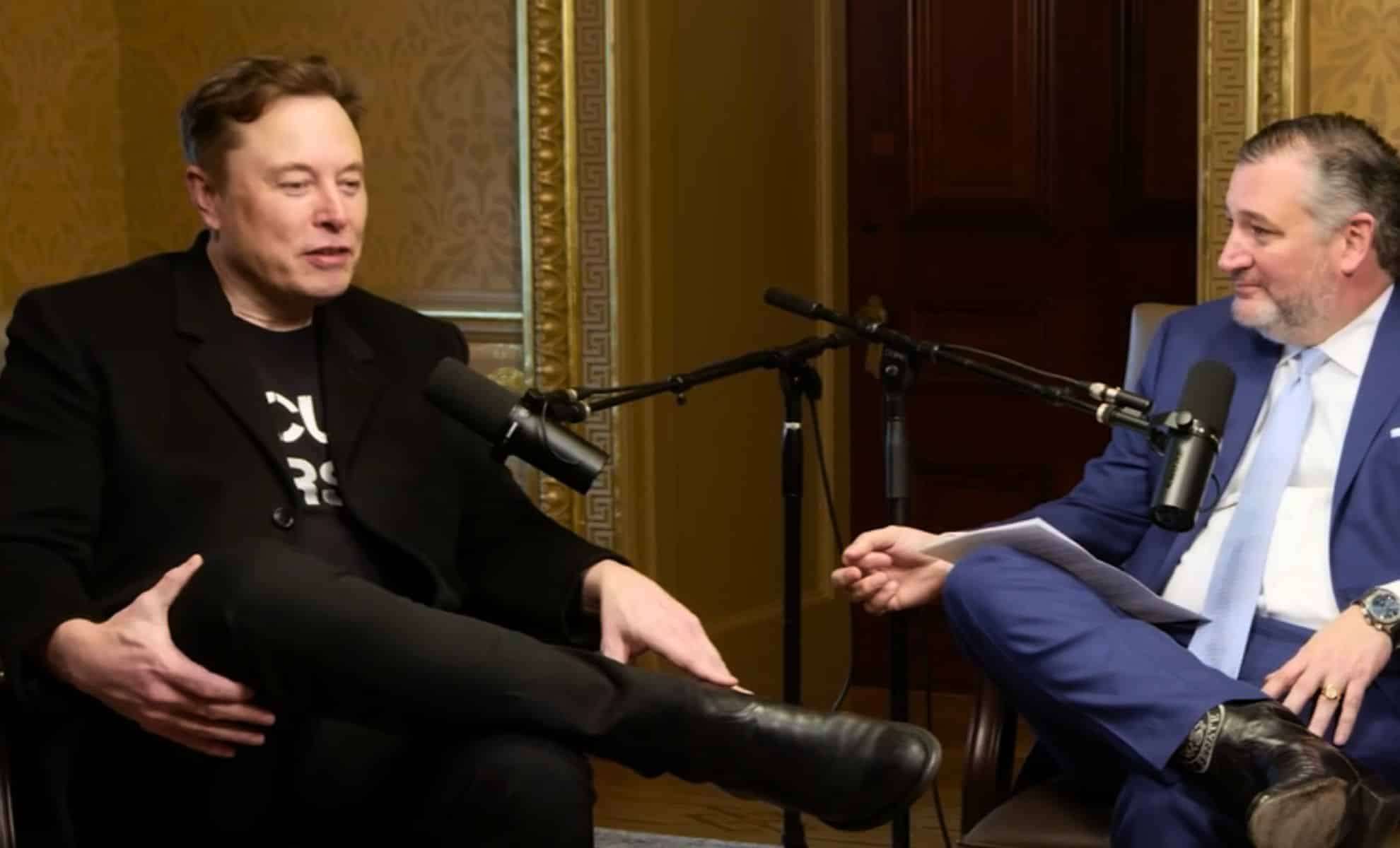
During a recent interview on the podcast Verdict with Ted Cruz, featuring Senator Ted Cruz and Ben Ferguson, Musk shared his thoughts on what defines a truly autonomous Martian settlement—one that thrives independently without continuous support from Earth.
Defining the Milestone for Mars Colonies
Musk highlighted that the crucial point for any Mars colony is its capability to grow and prosper without depending on supply shipments from Earth.

“The key threshold is when that city can continue to grow, continue to prosper even when the supply ships from Earth stop coming,” Musk stated.
He emphasized that for a Martian civilization to endure, complete self-sufficiency is required before Earth-based deliveries cease. Musk also contemplated a situation where humanity might no longer inhabit Earth, permanently disrupting the supply link to Mars.
“You obviously need Mars to become self-sustaining and be able to grow by itself before the resupply ships from Earth stop coming,” he explained.
Attaining this key milestone would mark a profound shift, significantly enhancing the durability and longevity of a Martian civilization.
Projected Timeline: Two Decades to Autonomy
When asked about the timeline for achieving a self-sustaining Mars community, Musk estimated it would require no less than 20 years.
“A few people running around the surface in a hostile environment is not gonna make it [Mars] self-sustaining,” Musk noted.
He further explained that reaching self-sufficiency demands a population of about one million inhabitants and the transport of enormous cargo volumes — possibly up to a million tons.
Previously, Musk projected initial manned missions to Mars could launch as soon as 2029, contingent on successful prototype flights. Nonetheless, he recognized 2031 as a more feasible date for humanity’s maiden landing on the Red Planet.
Musk’s Vision: From Initial Touchdown to Expanding Civilization
Musk’s aspiration goes beyond landing a small crew on Mars; he envisions developing a booming society that expands over time. He believes this will require a population nearing one million, alongside the transport of extensive resources to construct vital infrastructure and sustain life within Mars’ extreme conditions.
SpaceX plans to launch an unmanned Starship mission to Mars by the close of 2026, a critical step toward future exploration. Musk expressed optimism that this target is achievable if early tests proceed without major setbacks.
Regarding human missions, Musk reiterated that the first crewed Mars landing could happen in 2029, though 2031 remains a more cautious estimate. These milestones are vital for building the envisioned Martian city, with SpaceX positioned as a leading player in this bold endeavor.












0 comments
Sign in to Comment