
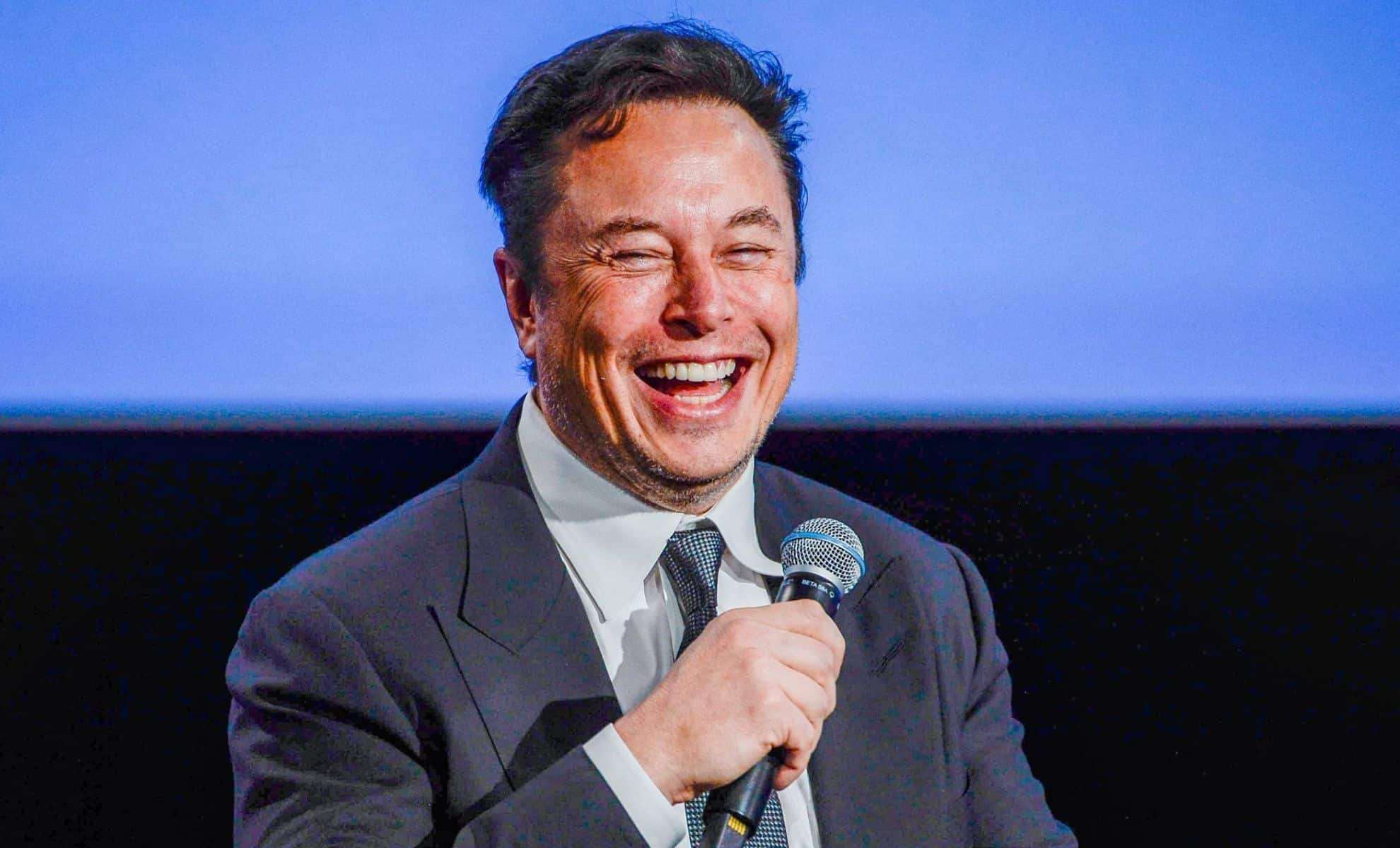
On January 26, Elon Musk sparked fresh debate by suggesting the English Channel be renamed the “George Washington Canal.” Sharing this idea on his social media platform X, Musk’s proposal echoes a recent suggestion from Donald Trump, who during his inauguration on January 20 put forward renaming the Gulf of Mexico as the “Gulf of America.”
From Trump’s Nationalism to Musk’s Geographic Renaming
Musk’s timing appears deliberate, coming just days after Trump’s contentious statement. He shared a map of Western Europe on X, suggesting a new name for the body of water separating England and France. His chosen name, George Washington Canal, holds no historical relevance to the region, as George Washington never had any connection to or passage through the Channel.
The English Channel, also known as La Manche, has retained its name since the 1600s, representing a long-shared maritime heritage between European nations. Musk’s suggestion quickly provoked strong reactions online, ranging from humor to concern among diplomats.

Public Response and Political Implications
Reactions on X surfaced swiftly, with many users offering sarcastic remarks and criticisms. Some joked about a perceived American ambition to "seize England," while others humorously dubbed Britain as the potential “51st state.” However, some commentators urged the U.S. to respect historic names and international sovereignty.
This is not Musk’s first entry into controversial geopolitical commentary. Currently serving as Director of Governmental Efficiency in the Trump administration, his proposal appears to mirror Trump’s nationalistic messaging and fits within an expanding agenda of American cultural assertion under the slogan “Make America Great Again.”
Musk’s Increasing Role in European Affairs
Musk’s involvement in European political matters has become more visible and contentious. Earlier in January, he openly criticized UK Prime Minister Keir Starmer on X, calling for his resignation.
On January 25, Musk made a virtual address to approximately 4,500 supporters of Alternative für Deutschland (AfD), a far-right political party in Germany. He encouraged attendees to “take pride in being German,” a statement delivered during a period of heightened political sensitivity in the country.
This event was soon overshadowed by allegations that Musk performed a gesture interpreted by some as a Nazi salute—a charge he has not publicly responded to.
The combination of these controversies and his apparent endorsement of AfD rhetoric has generated concern among European political observers, further complicating Musk’s international reputation.
Symbolism Meets Diplomatic Consequences
The close timing of Trump’s and Musk’s geographic renaming suggestions hints at a coordinated communication approach. While Trump centers on North America, Musk extends the narrative into Europe, leading critics to view this as an attempt to reaffirm American cultural influence through symbolic geographic changes.
Responses from France and the UK have not yet been made public, although Musk’s plan could increase tensions already present between the United States and its European partners. Given recent disputes involving trade, defense, and diplomacy, this development adds complexity to transatlantic relations.
Though the “George Washington Canal” remains just a proposal—and a highly contentious one—it underscores Musk’s expanding aspirations to play a significant role in global politics beyond his leadership at Tesla, SpaceX, and X.
- Categories:
- News






0 comments
Sign in to Comment