
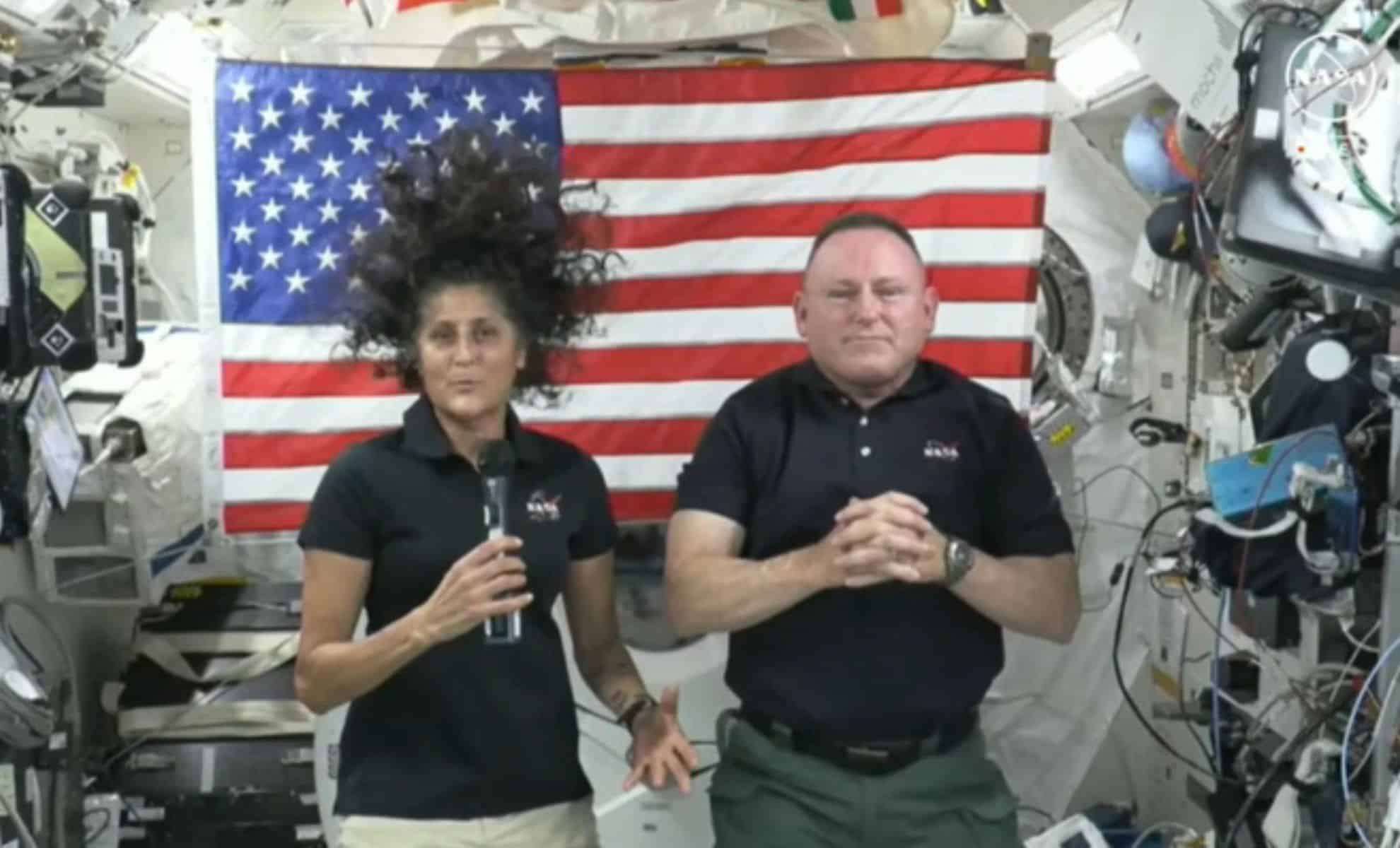
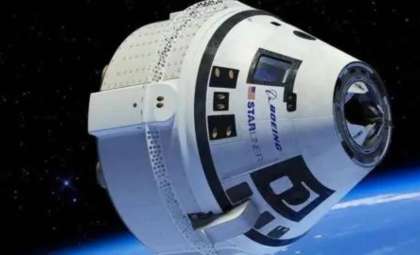
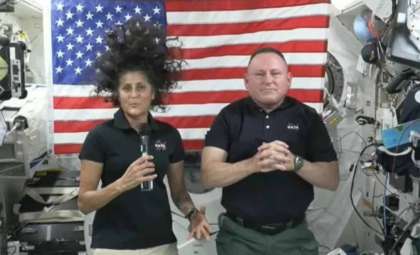
NASA astronauts Butch Wilmore and Suni Williams have spent over eight months aboard the International Space Station (ISS), far exceeding their original mission duration due to serious issues with their spacecraft. They arrived in June 2024 aboard Boeing’s Starliner, intended as an alternative to SpaceX’s Crew Dragon. Yet, after docking, engineers detected helium leaks and thruster failures that raised serious safety concerns for their return journey.
What was meant to be a week-long test mission became a prolonged stay in orbit, with Wilmore and Williams waiting as NASA explored options. Initial plans to return them via a SpaceX Crew Dragon mission faced delays, leaving the astronauts uncertain about their coming home date. To speed up the process, SpaceX has now been brought in to facilitate their prompt return.
SpaceX: The Key to Bringing Astronauts Back
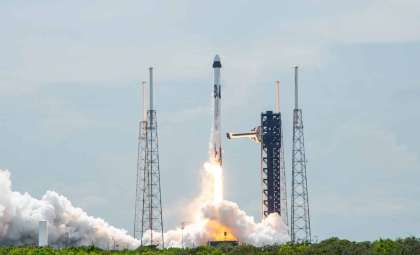
For months, NASA has evaluated the safest method to retrieve Wilmore and Williams. With the Starliner marred by technical malfunctions, the straightforward option became using SpaceX’s reliable Crew Dragon capsule, which has consistently supported ISS missions. However, scheduling crew rotations and launch windows introduced frustrating delays.

Recently, Donald Trump called upon Elon Musk and SpaceX to hasten the astronauts’ return. On his social media, Trump declared, “I have just asked Elon Musk and @SpaceX to ‘go get’ the 2 brave astronauts who have been virtually abandoned in space by the Biden Administration. They have been waiting for many months on @Space Station. Elon will soon be on his way. Hopefully, all will be safe. Good luck Elon!!!”
Musk quickly responded, assuring that SpaceX will proceed with the retrieval mission promptly. While SpaceX’s involvement was already planned, Trump’s intervention has amplified the urgency, aiming to ensure Wilmore and Williams return without further delay.
Extended Space Missions: Medical and Mental Difficulties
Long-term space missions expose astronauts to distinctive physiological and psychological effects even for the experts aboard the ISS. The near-zero gravity environment promotes muscle weakening, bone loss, and bodily fluid redistribution, which can cause swelling and impaired vision. Despite following daily intensive exercise regimes, the human body cannot thrive indefinitely without gravity.
Prolonged missions also demand careful mental health management. Though trained for extended expeditions, the crew must cope with the stress and uncertainty of delayed returns. With each passing day, preparations for re-entry become more intricate, as astronauts must maintain condition to withstand the intense gravitational forces upon landing, after months of weightlessness. Extended stays also disrupt NASA’s overall scheduling by complicating crew rotations and delaying future missions.
The continued presence of Wilmore and Williams aboard the ISS necessitates revisions to NASA’s flight operations, which can affect other missions and increase logistical challenges.
The Starliner’s Troubles Impact NASA’s Crew Program
Boeing’s Starliner was intended to complement SpaceX’s Crew Dragon by offering NASA a second reliable option for astronaut transport. However, repeated delays, escalating costs, and engineering faults have cast doubt on its dependability. Recent mission complications have only deepened these concerns.
Although Starliner docked successfully, the discovery of helium leaks and thruster issues made its return journey unsafe. NASA experts considered whether in-orbit repairs might be feasible, but the complexity suggests that the safest path is a return via SpaceX’s Crew Dragon capsule.
This episode highlights the essential role of private aerospace firms in mission success. While Starliner was meant to provide redundancy, its setbacks have intensified NASA’s dependence on SpaceX, which has maintained an impeccable safety record with crewed ISS flights since 2020.
Next Steps for the Astronauts’ Journey Home
SpaceX had already planned a Crew Dragon mission to the ISS, including returning Wilmore and Williams. The emerging urgency means NASA is likely to accelerate the launch schedule, potentially shortening the astronauts’ time in orbit. Collaboration between NASA and SpaceX is ongoing to finalize these arrangements.
While NASA has not formally addressed Trump’s statement, mission teams remain focused on a secure and timely return for Wilmore and Williams. Despite the unexpected extension, the astronauts continue to demonstrate remarkable endurance and flexibility in space.
As SpaceX prepares to complete this critical mission, it serves as a clear reminder of the challenges inherent in spaceflight and the importance of having dependable systems to manage unforeseen complications.
- Categories:
- News









0 comments
Sign in to Comment