
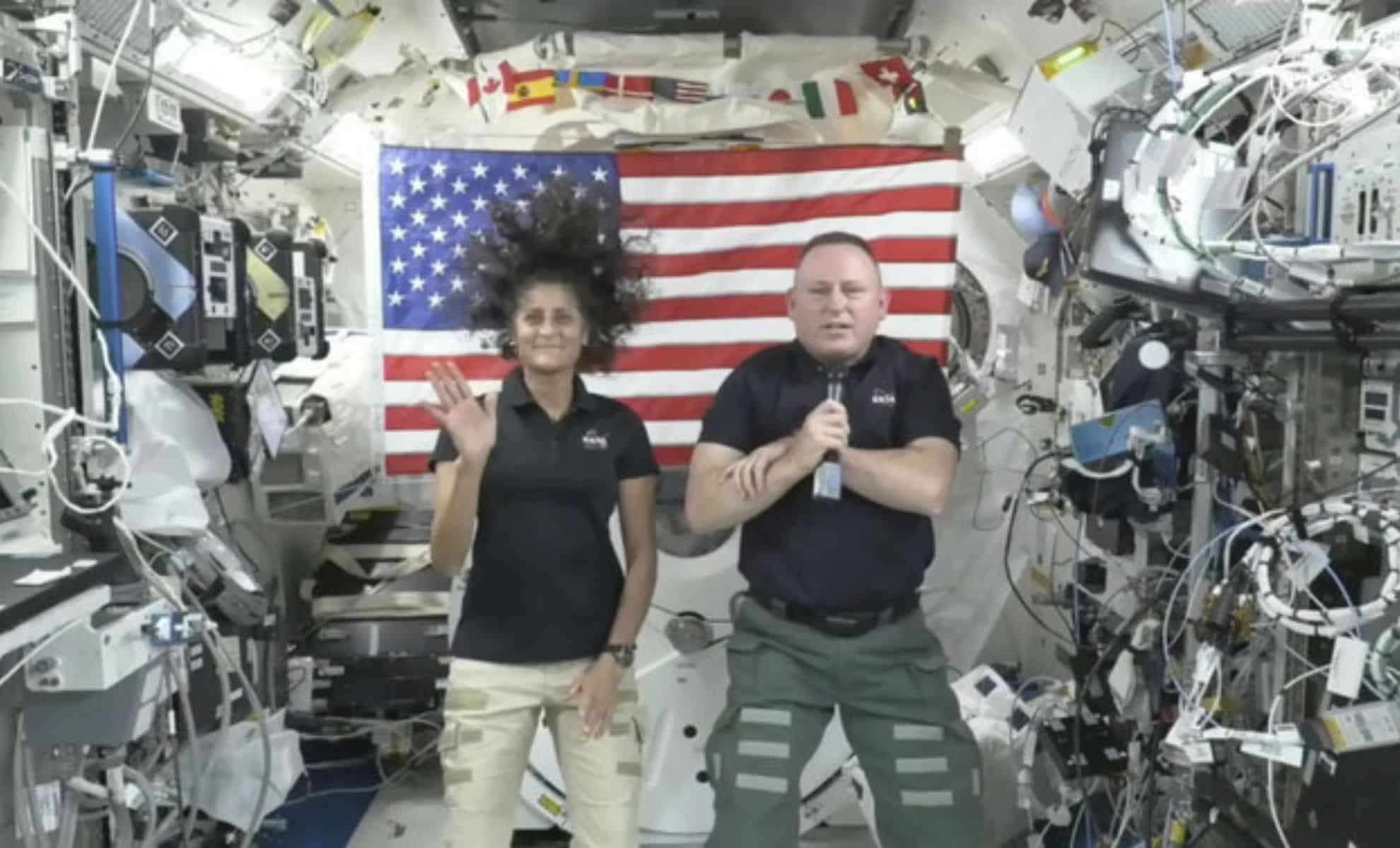
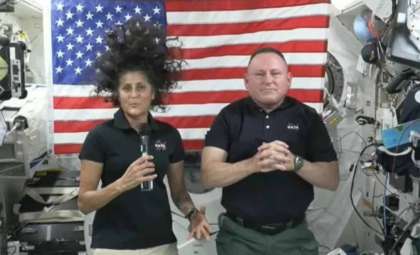
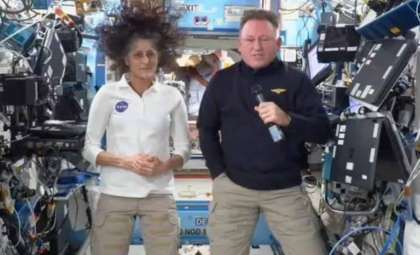
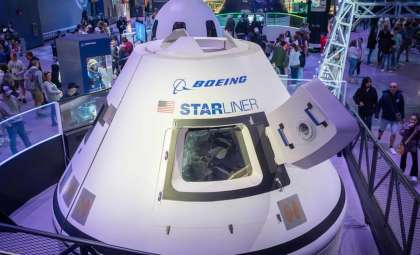
What initially appeared to be a brief journey aboard Boeing’s Starliner spacecraft has transformed into a protracted mission for NASA astronauts Butch Wilmore and Suni Williams, who continue to live on the International Space Station (ISS) months past their intended return. Initially set for an eight-to-ten-day mission, a series of technical complications and continual postponements have now stretched their stay to more than nine months, with the earliest scheduled return anticipated in March 2025.
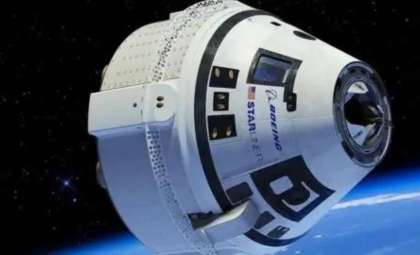
This significant extension highlights persistent challenges within the Starliner program, Boeing’s effort to provide NASA an alternative to SpaceX’s Dragon capsules for crewed spaceflights. The spacecraft’s issues—including helium leaks, malfunctioning thrusters, and an increasing reputation for unreliability—have led NASA to depend more heavily on SpaceX to ensure the astronauts’ safe return.
Ongoing Technical Hurdles
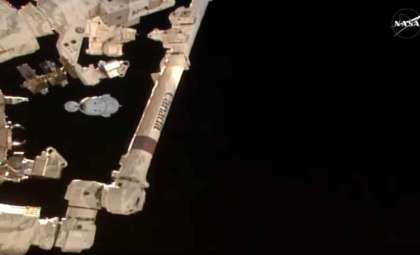
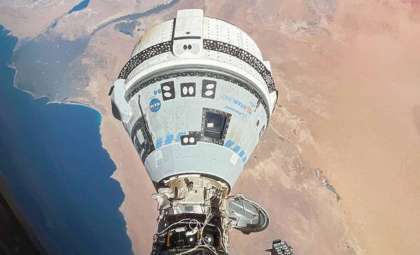
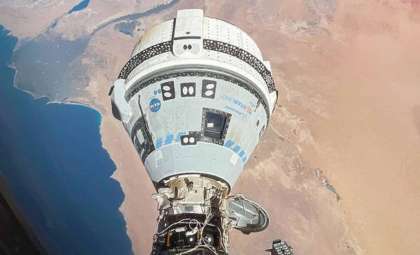
The difficulties encountered by Boeing’s Starliner originated during its Crewed Flight Test (CFT) in June 2024. Although the spacecraft successfully docked with the ISS, it revealed critical issues such as a helium leak and diminished effectiveness in several maneuvering thrusters. These malfunctions compromised the spacecraft’s ability to safely return the crew to Earth.

NASA and Boeing worked intensively to identify and replicate the faults on the ground, but without conclusive results. With the upcoming Crew-9 Dragon mission on the horizon, NASA prudently opted to send the Starliner back uncrewed, leaving Wilmore and Williams aboard the ISS until an alternative transport could be arranged.
This setback significantly affected Boeing’s credibility within NASA’s Commercial Crew Program, which was designed to ensure multiple options for astronaut transport. Contrasted with SpaceX’s steady stream of successful missions, the Starliner program’s struggles have spotlighted Boeing’s challenges.
SpaceX Takes the Lead, Yet Delays Continue
NASA turned to SpaceX’s Crew Dragon spacecraft to facilitate the astronauts' return. Wilmore and Williams were initially scheduled to come home in February 2025 aboard the Crew-9 Dragon mission, following the arrival of Crew-10 to replace them on the ISS. However, preparations for this mission have been delayed, pushing the timeline further out.
The latest postponement, NASA explained, allows “NASA and SpaceX teams time to complete processing on a new Dragon spacecraft for the mission.” This extension ensures the vehicle meets stringent safety criteria essential for human spaceflight.
Steve Stich, NASA’s Commercial Crew Program manager, clarified:
“Fabrication, assembly, testing, and final integration of a new spacecraft is a painstaking endeavor that requires great attention to detail.”
While underscoring SpaceX’s careful approach, this delay means that the astronauts’ time aboard the ISS will now stretch well beyond initial expectations, with their return not planned before late March 2025, nearly a full year after their mission started.
Extended Space Station Residency and Its Implications
Lengthening missions on the ISS pose additional logistical demands, yet NASA has reassured the public that the station remains fully equipped to support the crew.
In a recent release, NASA confirmed that two resupply missions in November ensured the ISS is “well-stocked with all essentials, including food, water, clothing, and oxygen.” While a prolonged stay can be taxing, the station’s resources can comfortably support Wilmore and Williams for the duration.
This situation echoes similar cases, like Frank Rubio’s extended expedition on the Russian Soyuz, which kept him in orbit six months longer than planned. Such missions demonstrate both the adaptability and the challenges inherent to human space exploration.
Boeing’s Starliner Faces Growing Doubts
Boeing’s Starliner was initially heralded as a key element in the NASA Commercial Crew Program, aiming to provide backup to SpaceX and reduce reliance on foreign vehicles like Russia’s Soyuz. Yet the program has faced persistent delays, technical setbacks, and budgetary strains, damaging its standing.
The recent failure to secure a safe return has intensified skepticism about Boeing’s future participation in NASA crew transport plans. Meanwhile, SpaceX’s Dragon spacecraft continues to deliver successful missions, reinforcing its reputation as a reliable partner.
These ongoing challenges spotlight NASA’s growing dependence on SpaceX to fill the void left by Boeing’s difficulties. While competition and redundancy remain pillars of NASA’s strategy, the contrast between the two providers raises important questions about the viability of continuing Starliner development at its current pace.
Looking Ahead for Starliner Astronauts
As Wilmore and Williams near a full year in orbit aboard the ISS, their experience highlights both the endurance of astronauts and the complexities of sustaining human spaceflight amid technical setbacks. These delays starkly illustrate the gap between ambitious spacecraft design and operational realities.
NASA remains hopeful about resolving Starliner’s problems, yet the extended timeline and dependence on SpaceX suggest Boeing must overcome substantial obstacles to reestablish its role in crew missions.
Meanwhile, all attention is on the successful completion of SpaceX’s Crew-10 mission, poised to safely return the astronauts and further cement SpaceX’s leading position in crewed space exploration.




0 comments
Sign in to Comment